
Thailand Nature Tourism Fuels Wellness and Sustainable Growth
Thailand’s travel industry is rebounding through healing nature tourism, blending wellness, sustainability, and smart innovation for lasting growth.

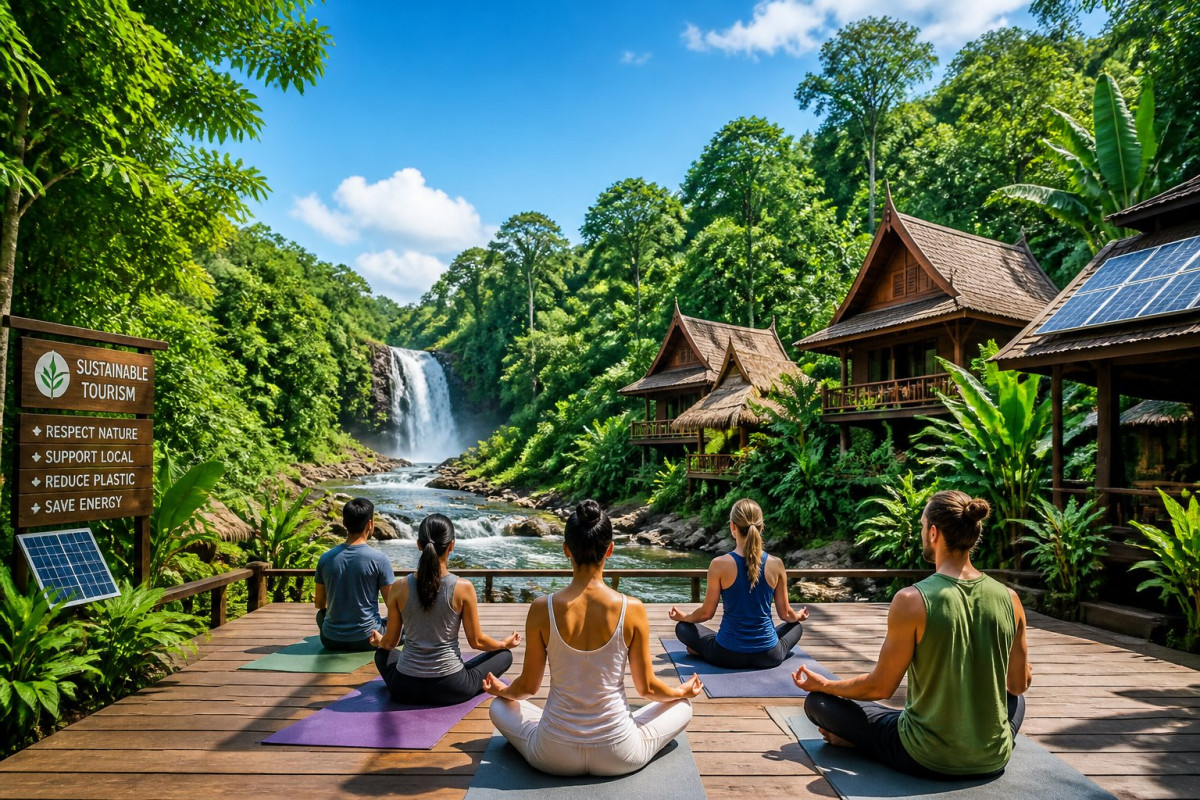
I see a clear shift in how Thailand presents its green season to travelers. Instead of treating the rainy months as a slow period, the country now frames this time as ideal for rest, wellness, and reflection. Tourism leaders highlight this change as part of a broader effort to reshape the nation’s image.
In places like Chiang Mai, Chiang Rai, Phuket, Koh Samui, and parts of Isaan, I observe a stronger focus on healing, nature, and unhurried travel. The monsoon season now attracts visitors who want meaningful experiences and time to recharge. This new direction positions the rainy season as a valuable window for well-being rather than a gap in demand.
Green Season Repositioned as a Wellness Travel Window
I see Thailand’s rainy months shifting from a low-demand period into a defined wellness travel phase. Tourism planners now frame this time as ideal for mental reset and slower movement, not crowded sightseeing.
Rain brings new life to rice paddies, forests, and waterfalls. Rural areas feel quieter and more immersive, which supports parasympathetic restoration through calm surroundings and steady natural sounds.
Wellness Focus During Green Months:
- Farm stays that support agro-tourism
- Guided walks through active rice fields
- Soil therapy and hands-on gardening
- Nature-based rest in low-density settings
I notice travelers choose this season for reflection, light activity, and steady contact with nature rather than packed itineraries.
Redefining Luxury Through Healing and Slow Living
I see luxury travel changing in clear ways. Many travelers now value calm, clarity, and health more than large rooms or expensive decor.
I notice how healing is the new luxury shapes this shift. People choose retreats that offer quiet forests, clean air, and time away from busy cities.
In many wellness retreats, I find simple routines that restore balance:
- Morning meditation
- Guided yoga retreats
- Deep rest through yoga nidra
- Walks in natural settings
These retreats focus on longer stays in rural areas. I observe that travelers want space to breathe, reflect, and recover. Slow living now defines modern comfort more than visible wealth.
Northern Thailand Becomes a Forest Wellness Hub
I see Chiang Mai and Chiang Rai take a clear lead in nature-focused travel. Mountain air, thick forests, and a cooler monsoon season support year-round nature immersion without extreme heat.
Travelers now seek simple outdoor practices:
- Forest bathing along quiet trails
- Guided meditation in wooded areas
- Jungle treks that focus on slow, mindful walking
- Lessons in northern Thai herbal traditions
Farm stays add hands-on learning. Guests harvest local herbs, cook regional dishes, and study plant-based remedies passed down through local families.
Adventure also plays a role. The Pongyang Jungle Coaster & Zipline draws visitors who want light thrills in a forest setting. At the high end, Four Seasons Tented Camp Golden Triangle blends luxury with remote landscapes near Chiang Rai.
I notice that these programs encourage people to step away from screens and follow the pace of rural life.
Southern Thailand Expands Spa and Detox Travel
I see southern Thailand building strong momentum in spa and detox travel, especially in Ko Samui and coastal Phang Nga Bay. Resorts blend Thai healing with modern health programs to serve global guests.
At places like Kamalaya Koh Samui, I find structured detox plans, Ayurveda, and guided meditation. Many wellness resorts also offer:
- Herbal steam treatments
- Hydrotherapy circuits
- Yoga linked to rainforest rhythms
- Nutrition-focused meal plans
Views of limestone karsts and calm seas support rest and recovery. I notice providers combining clinical-style wellness systems with traditional therapies in one connected travel network.
Rural Isaan Strengthens Culture and Community Wellbeing
I see Isaan using community-based tourism to support both local life and visitor learning. Villages in Ubon Ratchathaniand Nakhon Phanom open their doors through community homestays, farm work, and shared meals.
Travelers join daily routines such as dawn almsgiving and other Buddhist merit-making ceremonies. These moments allow real contact with Buddhist merit-making traditions, not staged shows.
Key experiences often include:
- Farming and rice planting
- Traditional cooking over charcoal
- Temple visits and quiet reflection
I notice this slower rhythm helps visitors feel grounded while local families earn direct income from tourism.
Wellness Tourism Rooted in Ancestral Healing Practices
I connect wellness travel with long standing healing systems that shape daily life in Thailand. I see programs that blend Thai massage, Thai herbal medicine, steam baths, and guided meditation into structured retreats.
Many centers use herbs such as lemongrass, galangal, and turmeric in teas, balms, and Thai herbal compress massage. Some draw insight from traditional Chinese medicine while keeping local rituals at the core.
I also observe temple stays and Vassa retreat periods that support reflection and discipline. These experiences link physical care with mental focus through traditional healing methods.
Strategic Shift in Tourism Development
I see the Tourism Authority of Thailand (TAT) leading a clear change in how Thailand tourism grows and operates. Instead of pushing short peak seasons, TAT spreads demand across the year, especially during the green season. This move supports rural areas, strengthens local hospitality, and promotes responsible tourism practices.
I focus on quality over volume. The strategy favors:
- Wellness tourism and structured wellness programming
- Nature-based and cultural travel experiences
- Longer stays built around intentional travel
This direction aligns with global sustainability goals such as the STGs and Thailand’s own Green Tourism Plan 2030. Programs like the STGs STAR program and recognition platforms such as the Thailand Tourism Awards encourage operators to improve standards and reduce environmental impact.
I also connect this shift to tools that guide visitors toward deeper engagement. Initiatives like the Meaningful Travel Map, Trusted Thailand, and partnerships with groups such as Tourism Cares help travelers choose verified, community-based experiences.
At global platforms including World Travel Market 2025, Thailand presents this model as a long-term framework for sustainable tourism, built on balanced growth and higher-value segments rather than short-term mass arrivals.
Frequently Asked Questions
What's Your Reaction?
 Like
0
Like
0
 Dislike
0
Dislike
0
 Love
0
Love
0
 Funny
0
Funny
0
 Wow
0
Wow
0
 Sad
0
Sad
0
 Angry
0
Angry
0










Comments (0)