
Why Airlines Are Cancelling Flights More Often
Before your next trip, take a few minutes to review your airline’s cancellation policies, download its app, and build flexibility into your itinerary.

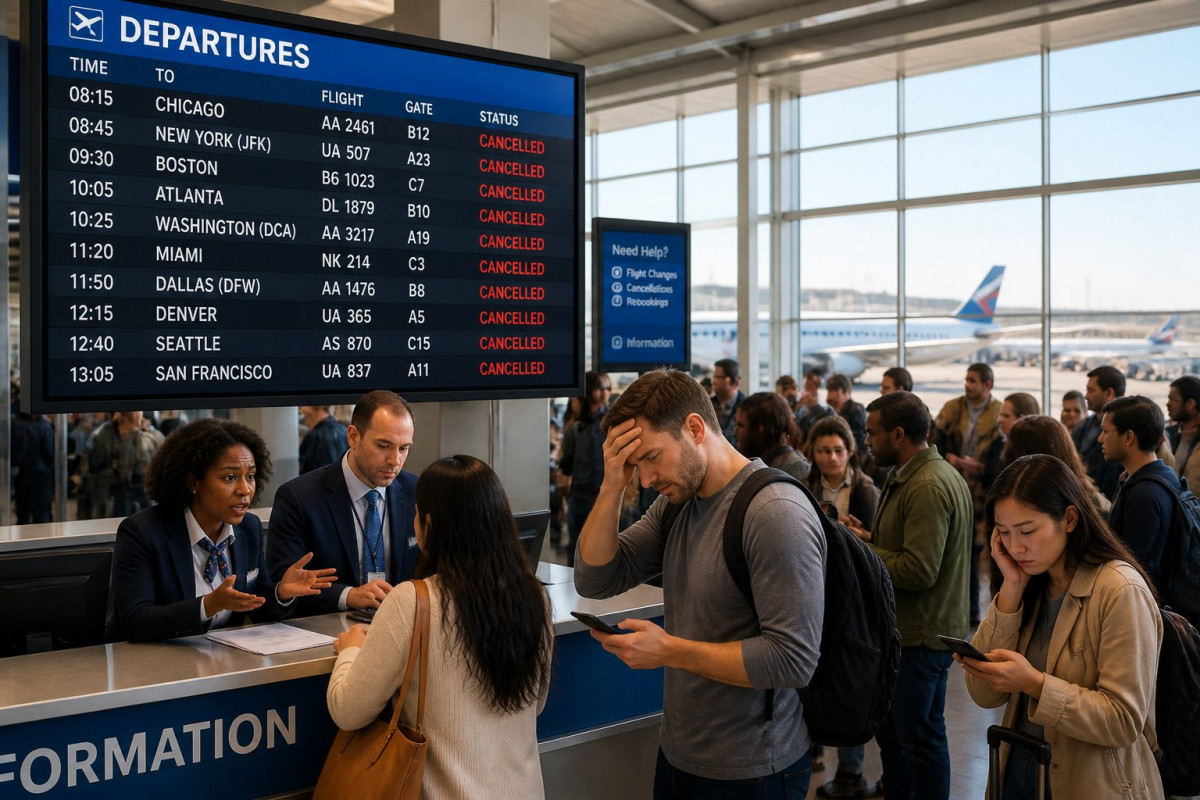
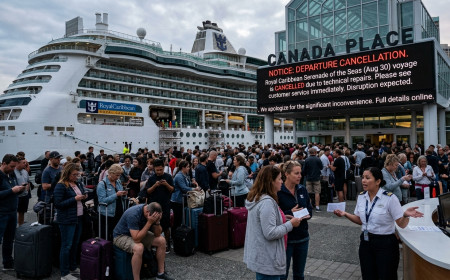
Flight cancellations have become one of the most frustrating realities of modern travel. For passengers, a cancelled flight can mean missed weddings, lost business opportunities, extra hotel costs, and hours spent rebooking plans. For airlines, cancellations are expensive, reputation-damaging, and operationally disruptive. That is why understanding why are airlines cancelling flights matters so much right now. The answer is not a single problem but a combination of pressures hitting the aviation industry at the same time: rising jet fuel prices linked to geopolitical conflict, persistent staffing shortages across airlines and airports, severe weather, and a highly interconnected scheduling system where one delay can trigger a chain reaction across an entire network.
In recent years, air travel demand has rebounded strongly, but the industry has not recovered evenly. Airlines are trying to operate ambitious schedules while managing labor gaps, inflation, maintenance constraints, and air traffic control bottlenecks. The result is a system that often works efficiently when conditions are stable but can unravel quickly when even one element fails. For travelers, businesses, and policymakers, this issue is more than an inconvenience. It is a sign of how tightly stretched global aviation has become.
This article explores the main reasons behind today’s wave of cancellations, what it means for passengers, where the industry may be heading, and how travelers can protect themselves. If you have been asking, why are many airlines cancelling flights, the deeper explanation reveals a mix of economics, logistics, weather, and workforce realities shaping the future of air travel.
Key Facts
- Jet fuel is one of an airline’s biggest costs, and sudden spikes can force carriers to cut routes, reduce frequency, or cancel less profitable flights.
- Staffing shortages remain widespread among pilots, cabin crew, mechanics, ground handlers, and air traffic controllers, reducing operational flexibility.
- Airline schedules are tightly connected, so a storm, technical issue, or late inbound aircraft in one city can lead to multiple cancellations elsewhere.
Why airlines are cancelling flights: the core drivers
To understand why are airlines cancelling flights, it helps to look at how airline operations actually work. A commercial airline is a moving network of aircraft, crews, airport slots, maintenance windows, fuel planning, and passenger connections. Every plane is expected to complete several flights a day, often with little buffer time in between. That model improves efficiency and profitability, but it also leaves very little room for error.
When one flight is delayed because of weather, air traffic restrictions, or a late crew arrival, the aircraft may miss its next departure slot. The crew may then exceed legal duty-time limits. Passengers miss connections, baggage must be rerouted, and the airline may not have a spare aircraft available. What starts as a local disruption can quickly become a network-wide cancellation problem.
Today, this fragile operating model is colliding with several major challenges all at once.
Surging jet fuel costs and geopolitical instability
Fuel has always been a critical factor in airline economics, but recent geopolitical conflicts have made it especially volatile. Wars, sanctions, supply disruptions, and instability in oil-producing regions can sharply raise the price of crude oil and refined jet fuel. Because airlines consume enormous amounts of fuel every day, even a moderate increase can have a major impact on operating costs.
When fuel prices rise quickly, airlines face difficult choices:
- Absorb the cost and accept lower profit margins
- Raise ticket prices and risk weakening demand
- Cut less profitable routes
- Reduce flight frequency
- Cancel flights where operating costs exceed expected revenue
This is especially challenging for low-cost carriers, which rely on high aircraft utilization and thin margins. Legacy airlines may have more pricing power and fuel hedging strategies, but they are not immune. If a route becomes too expensive to operate under current conditions, schedule reductions and cancellations become a practical response.
Geopolitical tensions can also alter flight paths. Airspace closures or restrictions may force aircraft to take longer routes, burning more fuel and complicating scheduling. That means conflict can affect cancellations both directly through higher costs and indirectly through longer, more complex operations.
Staffing shortages across the aviation ecosystem
Another major reason airlines are cancelling flights is the ongoing shortage of skilled labor. During the pandemic, airlines and airports reduced staffing dramatically as travel demand collapsed. Many pilots accepted early retirement packages. Ground staff, baggage handlers, mechanics, and customer service workers left the sector. Training pipelines slowed, and rehiring has taken time.
Even as passenger demand returned, staffing levels often did not keep pace. The shortage is not limited to one role. It affects nearly every link in the chain:
- Pilots: Training is expensive and time-intensive, and regulatory standards limit how quickly airlines can rebuild pilot ranks.
- Cabin crew: Airlines need enough trained crew to meet safety requirements on every flight.
- Maintenance technicians: Aircraft cannot legally depart without proper inspections and repairs.
- Ground handlers: Delays in loading baggage, refueling, and pushback can ripple through schedules.
- Air traffic controllers: Controller shortages can reduce airport capacity and increase delays.
What makes this issue so significant is that airlines cannot simply improvise around labor gaps. Aviation is a highly regulated industry. If a pilot is unavailable, if a mechanic has not signed off on the aircraft, or if a crew exceeds legal working hours, the flight cannot depart. Cancellation is often the only compliant option.
In many markets, summer and holiday peaks expose these shortages most clearly. Airlines may publish schedules based on expected demand, but when staffing proves insufficient, they are forced to trim operations, sometimes with little notice.
Severe weather is becoming a bigger disruptor
Weather has always disrupted aviation, but more frequent extreme conditions are making the problem harder to manage. Thunderstorms, hurricanes, snowstorms, high winds, fog, heat waves, and flooding can all affect flight safety and airport operations. In some cases, weather directly grounds flights. In others, it reduces airport capacity and creates delays that later turn into cancellations.
For example:
- Thunderstorms can force aircraft to reroute around dangerous cells, causing congestion.
- Snow and ice require de-icing procedures, slowing departures.
- High winds can make takeoffs and landings unsafe on certain runways.
- Extreme heat can affect aircraft performance, especially at high-altitude airports.
- Hurricanes and tropical storms may shut airports entirely.
Weather-related disruption is particularly difficult because it often affects entire regions at once. Airlines cannot simply swap in another aircraft if multiple airports are experiencing the same storm system. Once delays begin to stack up, crews time out, aircraft end up in the wrong place, and cancellations spread through the network.
Climate trends are also prompting concern among industry experts. More volatile weather patterns may mean airlines need to build greater resilience into future schedules, though doing so can reduce efficiency and increase costs.
Tight schedules and the domino effect of disruption
One of the most overlooked answers to why are many airlines cancelling flights is the structure of airline scheduling itself. Airlines maximize aircraft use by keeping planes in the air as much as possible. A single aircraft may operate four, five, or more segments in one day. Crews are assigned carefully, gates are allocated in advance, and airport slots are tightly managed.
This system works well under normal conditions, but it has limited slack. A delay in the first flight of the day can affect every subsequent leg. If the aircraft arrives late, the next departure is delayed. If the delay grows, passengers miss connections and crews approach duty-time limits. If no spare aircraft or reserve crew is available, the airline may cancel a later flight to protect the rest of the schedule.
This domino effect is especially common at major hub airports, where many flights depend on smooth sequencing. Air traffic control delays, congestion, runway closures, or late-arriving inbound aircraft can all trigger network disruption. In this sense, cancellations are often not isolated decisions but the final outcome of a chain of earlier operational setbacks.
Air traffic control constraints and airport congestion
While passengers often blame airlines first, not every cancellation begins with the carrier. In many countries, air traffic control systems are under pressure from staffing shortages, aging infrastructure, and rising traffic volumes. When controllers are unavailable or sectors become overloaded, authorities may impose flow restrictions that limit how many flights can depart or arrive in a given period.
Busy airports face similar challenges. Limited runway capacity, gate shortages, security bottlenecks, and ground congestion can all slow operations. A flight may be ready to leave, but if there is no departure slot or no gate available at the destination, it can be delayed for hours and eventually cancelled.
This is one reason airlines sometimes cancel flights proactively. Rather than operating a severely delayed service that disrupts multiple later flights, the airline may decide it is better to cancel early, reaccommodate passengers, and stabilize the broader network.
Maintenance issues and aircraft availability
Aircraft maintenance is another important factor. Airlines must follow strict safety and inspection standards, and even minor technical issues can remove a plane from service until approved repairs are completed. Supply chain disruptions have made this more difficult in some cases, especially when parts are delayed or maintenance capacity is stretched.
Recent pressure on aircraft manufacturers and engine suppliers has also affected fleet availability. If an airline has fewer usable aircraft than planned, it may have little choice but to cancel some services. This is particularly disruptive for carriers operating smaller fleets or relying heavily on one aircraft type.
From a passenger perspective, a maintenance cancellation can feel abrupt. From a safety perspective, it is non-negotiable. Airlines may be criticized for the inconvenience, but refusing to operate an aircraft with unresolved issues is exactly how the system is supposed to work.
Industry trends shaping cancellation patterns
Several broader trends are influencing how often flight cancellations occur and how airlines respond:
- Higher demand volatility: Booking patterns can shift quickly, making schedule planning more difficult.
- Operational resilience over expansion: Some airlines are learning that publishing fewer flights they can reliably operate may be better than overpromising.
- Technology investments: Airlines are using predictive analytics to manage crew, maintenance, and disruption recovery more effectively.
- Customer expectation changes: Travelers increasingly expect fast rebooking tools, real-time alerts, and transparent communication.
- Regulatory scrutiny: Governments are paying closer attention to passenger rights and airline accountability during disruptions.
Experts generally agree that the industry is moving toward more cautious scheduling, but competitive pressure remains intense. Airlines want to capture demand, especially on profitable routes, which can tempt them to run very full schedules despite operational risks.
Benefits and drawbacks of airline cancellation decisions
Although cancellations are frustrating, they are not always irrational or avoidable. In some cases, they protect safety and help prevent even larger network failures.
Benefits
- Safety first: Weather, maintenance, and crew legality rules exist for good reason.
- Network recovery: Cancelling one flight can help preserve several others.
- Operational realism: Proactive cancellations may reduce hours of uncertainty for passengers.
- Resource allocation: Airlines can prioritize routes with the highest passenger impact.
Drawbacks
- Passenger disruption: Missed events, added expenses, and emotional stress are common.
- Financial costs: Airlines may owe compensation, hotel stays, meal vouchers, or rebooking support depending on regulations.
- Brand damage: Frequent cancellations weaken customer trust.
- Economic ripple effects: Tourism, business travel, and airport operations all suffer when cancellations rise.
The challenge for airlines is balancing efficiency with resilience. Running a lean operation lowers costs, but it also leaves less room to absorb shocks.
Expert tips for travelers navigating cancellations
Travelers cannot control weather, fuel prices, or staffing shortages, but they can reduce the impact of disruption. Experienced travel professionals often recommend the following:
- Book early flights when possible. The first departures of the day are less likely to be affected by earlier delays.
- Avoid tight connections. Extra transfer time gives you a buffer if the first leg is delayed.
- Choose nonstop flights. Fewer moving parts usually mean lower cancellation risk.
- Monitor weather and airline alerts. If disruption is likely, acting early can improve rebooking options.
- Know your passenger rights. Rules vary by country, but compensation, refunds, and duty-of-care obligations may apply.
- Travel with insurance or premium card coverage. This can help with hotels, meals, and unexpected expenses.
- Use airline apps. Digital self-service tools are often faster than waiting in airport lines.
These steps will not eliminate disruption, but they can improve your odds of reaching your destination with less stress.
what comes next for airlines and passengers
The good news is that the aviation industry is adapting. Airlines are investing in better disruption management systems, predictive maintenance, digital customer service, and more disciplined scheduling. Airports and regulators are also under pressure to improve staffing, infrastructure, and communication.
Still, the future will likely require a new balance. For years, airline competition rewarded maximum efficiency and dense schedules. The recent wave of disruption has shown the limits of that model. Greater resilience may mean more spare crews, more realistic turnaround times, and fewer marginal routes during unstable periods. That could improve reliability, even if it raises costs.
For travelers, the most realistic expectation is not a world without cancellations, but a system that handles them more transparently and humanely. Faster notifications, easier rebooking, clearer compensation rules, and better customer support can make a major difference when things go wrong.
Conclusion
If you have been wondering why are airlines cancelling flights, the answer lies in a complex mix of fuel volatility, geopolitical conflict, labor shortages, severe weather, maintenance demands, air traffic control limitations, and tightly packed schedules. Airlines are operating in an environment where even small disruptions can spread quickly, and where the pressure to control costs often collides with the need for resilience.
Yet this challenge also creates an opportunity. Airlines that invest in reliability, staffing, technology, and honest scheduling will be better positioned to earn long-term trust. Travelers who understand the system can make smarter booking decisions and respond more effectively when plans change. In a rapidly evolving travel landscape, knowledge is one of the best tools you can carry.
Before your next trip, take a few minutes to review your airline’s cancellation policies, download its app, and build flexibility into your itinerary. If you want to travel smarter in a time of growing uncertainty, keep exploring expert air travel insights and stay informed about the forces shaping the skies.
Why Airlines Are Cancelling Flights More Often. FAQ's
What's Your Reaction?
 Like
0
Like
0
 Dislike
0
Dislike
0
 Love
0
Love
0
 Funny
0
Funny
0
 Wow
0
Wow
0
 Sad
0
Sad
0
 Angry
0
Angry
0







Comments (0)