
Japan Travel Rules 2026: Higher Taxes, Fees and Crowds
Japan’s new travel measures mean higher taxes, updated visa costs, tax-free shopping changes and heavier crowds. Here’s how to plan smartly.

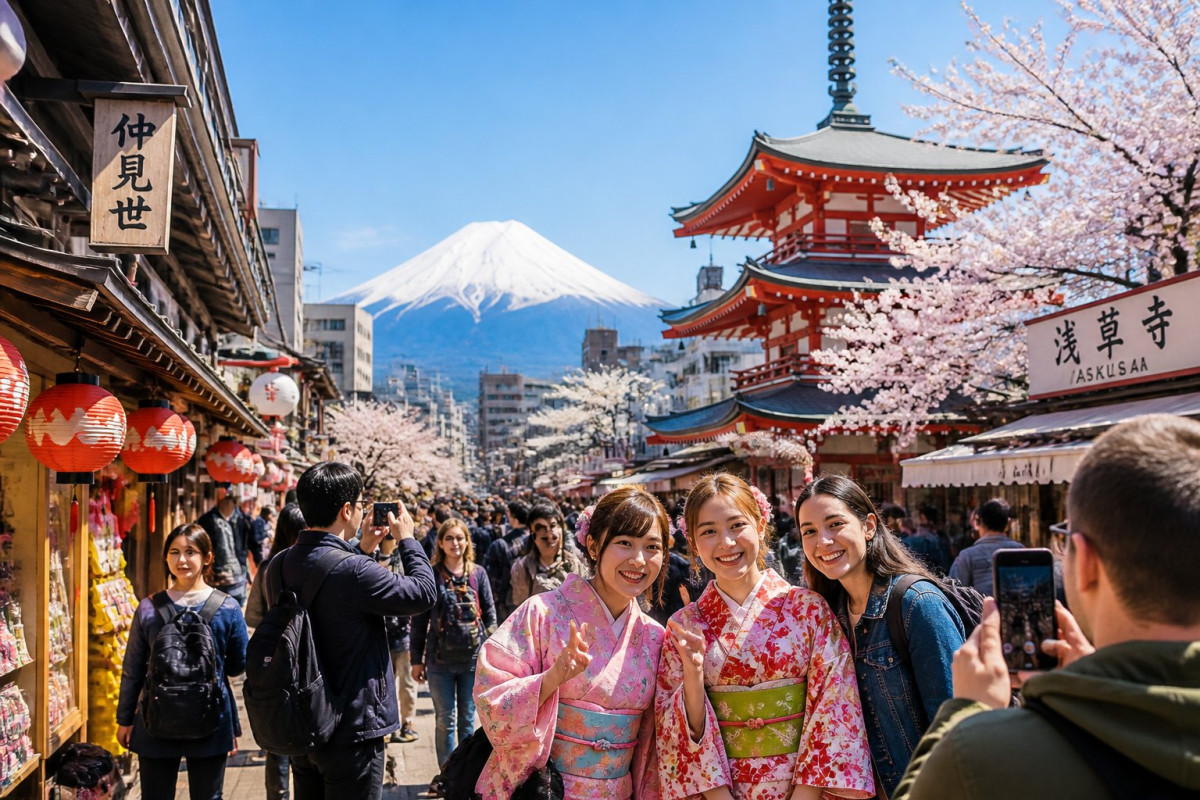
Japan’s tourism boom has entered a new phase. After welcoming more than 42 million annual visitors, the country is moving beyond simple promotion and into active visitor management. For travelers, that means a trip to Japan now requires more financial planning, closer attention to entry rules, and more realistic expectations about congestion at major attractions. The changes are not designed to discourage tourism altogether. Rather, they reflect a broader effort to balance economic gains from record demand with the practical pressures that mass tourism places on transport networks, local communities, heritage districts, and public services.
The result is a travel environment that feels familiar on the surface but increasingly regulated underneath. Visitors are facing higher departure-related costs, revised visa fee structures in some cases, and evolving tax-free shopping procedures that may alter how and when purchases are refunded or documented. At the same time, crowding has become a defining part of the Japan travel experience in marquee destinations such as Tokyo, Kyoto, Osaka, Mount Fuji areas, and headline attractions linked to seasonal travel. For anyone planning a trip, the key is not panic but preparation. Understanding the new framework can help travelers budget accurately, avoid administrative surprises, and build itineraries that remain enjoyable even during peak demand.
Why Japan is tightening travel management
Japan’s tourism success has created a policy challenge. Visitor spending contributes significantly to the economy, supporting hotels, airlines, rail operators, retailers, restaurants, cultural sites, and regional businesses. Yet the concentration of tourists in a relatively small number of iconic places has intensified concerns about overtourism, a pressure also reflected in broader destination-management debates such as the Greece tourism plan targeting overtourism and preservation. Residents in popular areas have raised complaints about overcrowded streets, strain on public transport, litter, noise, poor visitor behavior, and the transformation of everyday neighborhoods into high-volume tourist corridors.
Authorities therefore have strong incentives to make tourism more sustainable rather than simply larger. New taxes and fees help generate revenue that can be redirected into infrastructure, airport operations, destination management, and local mitigation measures. Adjustments to visa charges can reflect administrative costs, reciprocity, and security systems. Tax-free shopping reforms can improve compliance, reduce abuse, and modernize how purchases are tracked. None of these measures exists in isolation. Together, they signal a more managed tourism model in which Japan remains open and highly attractive, but less permissive of friction-free mass visitation.
For travelers, this policy shift matters because it changes the practical cost and rhythm of a trip. A journey that once seemed straightforward now may involve extra fees embedded in airline tickets, more careful review of visa eligibility, and additional documentation or procedural steps for shopping benefits. The broader message is clear: Japan still wants visitors, but it also wants travel to be more orderly, accountable, and regionally balanced.
What higher travel taxes mean in practice
One of the most noticeable changes for international travelers is the growing importance of departure-related taxes and tourism-linked charges. Some costs may appear as separate line items, while others are folded into airfare or booking totals. Even when the amount seems modest on its own, it contributes to the cumulative increase in trip expenses, especially for families, long-haul travelers, and multi-city itineraries.
Travelers should pay attention to several categories of additional cost:
- Departure taxes: These may be collected through airline tickets and can be easy to overlook until final payment.
- Airport or passenger service fees: These can vary by airport and may increase alongside infrastructure upgrades or congestion management needs.
- Local accommodation taxes: In some cities, hotel stays already include municipal levies that can rise with room price or location.
- Transport surcharges: While not always framed as taxes, capacity-related fare adjustments can affect the real cost of moving between major destinations.
The practical consequence is that travelers should stop estimating Japan trip costs based only on flights, hotels, and headline rail fares. The more accurate approach is to build a buffer for policy-driven charges and service fees. This is particularly important for budget-conscious visitors who may have planned around older cost assumptions from pre-boom travel years. Japan remains accessible, but it is no longer as easy to characterize as a destination where efficient planning automatically guarantees moderate spending.
Another important point is timing. Taxes and fees can change with limited notice compared with the long lead times many international travelers use when booking flights and accommodation. A traveler planning six to nine months in advance may find that final costs shift before departure. Reviewing airline fare breakdowns, embassy notices, and official tourism updates closer to the travel date is now an essential step rather than an optional one.
Adjusted visa fees and entry planning
Visa policy is another area where travelers need to be more attentive. Not every visitor to Japan requires a visa, and the country continues to maintain visa exemptions for many nationalities for short-term tourism. However, where visas are required, fee adjustments and processing expectations can materially affect planning. Even travelers from visa-exempt countries should monitor entry procedures, as digital pre-clearance systems, documentation standards, and border screening practices can evolve alongside broader tourism management policies.
Higher visa fees do more than increase the cost of entry. They also raise the stakes of incomplete applications, late submissions, or incorrect assumptions about eligibility. Travelers who need visas should avoid relying on outdated blog posts, social media anecdotes, or informal travel forum advice. The authoritative source remains the relevant Japanese embassy, consulate, or official government immigration platform.
When preparing for travel, visitors should confirm:
- Whether their nationality qualifies for visa-free short stays.
- Whether the purpose of travel matches permitted tourist entry conditions.
- Current visa fees and accepted payment methods.
- Expected processing times during busy seasons.
- Document requirements, including proof of onward travel, accommodation details, and financial capacity if requested.
Travelers combining Japan with other destinations in Asia should be especially careful. Multi-country itineraries often involve tight scheduling, and any delay in visa issuance can disrupt flights, hotel reservations, and onward transport. The safest strategy is to treat Japan entry formalities as a priority item early in the planning process rather than something to finalize at the last minute.
It is also wise to keep digital and printed copies of key documents. While many travelers move comfortably with mobile confirmations alone, high-volume travel environments can expose the weaknesses of battery dependence, connectivity problems, or app failures. A printed itinerary, accommodation list, and proof of return or onward travel remain useful backups in case border officers request quick verification.
Tax-free shopping is changing, and that affects spending strategies
Japan has long been a favorite destination for shopping, and tax-free purchasing has been one of the practical perks for international visitors. Changes to tax-free shopping rules, however, mean that travelers should not assume the process works exactly as it did in previous years. Depending on implementation and retailer systems, there may be tighter controls on eligibility, documentation, packaging, purchase thresholds, or the point at which refunds are processed.
For travelers, the biggest mistake is assuming tax-free shopping is automatic. In reality, it depends on compliance with specific procedures, and those procedures may continue to evolve as authorities work to reduce misuse and improve transparency. That can mean more digital recordkeeping, stricter passport presentation requirements, and less flexibility around how goods are handled before departure.
Smart shoppers should follow several principles:
- Carry your passport when shopping: Many tax-free transactions require in-person passport verification at the time of purchase.
- Check store procedures before paying: Some retailers process tax exemption immediately, while others may use designated counters or separate systems.
- Understand product rules: Consumables and general goods may be treated differently, including packaging and usage restrictions before departure.
- Keep receipts organized: If customs or airport officials require verification, scattered documentation can create delays.
- Do not open sealed items if prohibited: In some cases, doing so may affect tax-free eligibility.
These changes matter because shopping has often been a major part of Japan travel budgets, especially for visitors purchasing cosmetics, electronics, fashion, stationery, luxury goods, kitchenware, anime merchandise, and regional specialty products. If tax-free systems become stricter or less convenient, travelers may need to rethink when they shop, how much they buy, and whether airport departure timing leaves enough room for compliance checks. The era of casual, assumption-based tax-free shopping is fading. A more deliberate approach is now the safer one.
Crowding is no longer a side issue
Perhaps the most immediate change many travelers will feel is not administrative but physical: Japan’s most famous destinations are extremely crowded. In peak seasons, congestion can shape the entire travel experience, from train platforms and station lockers to temple approaches, restaurant queues, hotel check-in lines, and even basic photo opportunities. Places that once felt serene in travel marketing images may now be navigated amid shoulder-to-shoulder foot traffic at certain hours.
Kyoto remains the clearest example of this tension. The city’s historic districts, temples, and geisha areas attract huge volumes of visitors, often concentrated within a relatively small geographic footprint. Similar pressure appears around Tokyo’s major shopping and entertainment districts, Osaka’s headline attractions, and Mount Fuji viewpoints during high-demand periods. Cherry blossom season, autumn foliage weeks, Golden Week, New Year travel, and school holiday windows can intensify these patterns dramatically.
Crowding affects more than comfort. It can reduce schedule reliability, increase taxi and bus wait times, limit spontaneous dining options, and make simple transfers more stressful. Travelers trying to cover too many famous places in too little time are the most likely to feel disappointed, not because Japan fails to deliver, but because demand has changed the tempo of the trip.
To adapt, visitors should build itineraries around crowd management rather than treating it as an afterthought. That means choosing early morning or evening time slots where possible, reserving popular experiences in advance, and accepting that some iconic locations are best visited briefly rather than as long, leisurely stops. It also means reconsidering the instinct to replicate social media travel routes exactly. The most photographed places are often the most congested, and the gap between online expectation and on-the-ground experience can be significant.
How to plan a smoother trip under the new conditions
Japan is still one of the world’s most rewarding destinations, but successful travel now depends more heavily on strategy. A well-planned itinerary can reduce the impact of higher costs and heavy crowds without sacrificing the highlights that make the country so appealing.
Several planning adjustments can make a substantial difference:
- Budget beyond the headline price. Include room for taxes, airport fees, accommodation levies, shopping compliance issues, and peak-season transport costs.
- Book key elements early. Flights, major hotels, special trains, and high-demand attractions can sell out or become significantly more expensive.
- Travel in shoulder seasons if possible. Late spring after peak holidays or periods outside major foliage and blossom surges can offer a better balance.
- Prioritize fewer destinations. Trying to do Tokyo, Kyoto, Osaka, Hiroshima, Hakone, and day trips all in a short visit can turn logistics into the main memory.
- Stay near transport hubs. This can save time and energy when stations and city transit systems are crowded.
- Use official sources. Confirm visa, tax, and shopping rules with government or recognized tourism channels close to departure.
Travelers should also be realistic about daily pacing. Japan’s rail system is excellent, but station transfers, platform navigation, luggage handling, and local transport connections all take longer when visitor volumes are high. A schedule that looks efficient on paper may feel exhausting in reality. Leaving space for delays and rest is not wasted time; it is a practical response to current travel conditions.
The rise of alternative destinations
One of the most constructive responses to overtourism is to look beyond the usual circuit. Japan offers extraordinary depth outside its most saturated routes, much like the appeal of discovering unique places in the world to visit once in your life, and authorities have strong reasons to encourage more regional distribution of visitors. For travelers, this can lead to a better experience: lower crowd density, more direct contact with local culture, and often better value for money.
Instead of concentrating every trip around the same few urban and heritage hotspots, visitors can consider secondary cities, rural onsens, coastal regions, art islands, mountain towns, and lesser-known historical districts. These areas may still require planning, especially where transport is less frequent, but they can provide the sense of discovery that many first-time visitors expect and sometimes struggle to find in the busiest corridors.
This does not mean skipping Tokyo or Kyoto altogether. It means balancing them with places where tourism pressure is lower. Even a short adjustment, such as reducing the number of nights in the most congested areas and adding time in a regional destination, can improve the overall rhythm of a trip. As Japan continues refining its tourism strategy, travelers who embrace a broader map may benefit the most.
What this mean for the future of Japan travel
Japan’s new travel initiatives should be understood as part of a long-term reset rather than a temporary inconvenience. The country is signaling that record tourism numbers require more sophisticated management tools. Higher taxes and fees, visa adjustments, and revisions to shopping rules are all mechanisms to manage demand more sustainably while maintaining Japan’s global appeal. For travelers, the takeaway is straightforward: the destination remains highly desirable, but it now demands more careful preparation than ever.
The good news is that none of these changes makes Japan inaccessible. Instead, they make informed planning more valuable. Travelers who monitor official updates, budget with flexibility, respect local rules, and design itineraries around real-world crowd conditions can still have an exceptional experience. In some ways, these measures may even improve travel over time if they help fund infrastructure, reduce abuse of visitor systems, and spread tourism benefits more evenly.
For now, the practical message is simple. Expect to pay more than older guides suggest. Verify visa and entry requirements directly from official sources. Treat tax-free shopping as a regulated process, not a casual perk. And plan for crowds as a baseline reality in the most famous destinations. Japan remains one of the world’s premier travel experiences, but in this new era of 42 million-plus visitors, the best trips will belong to those who prepare for a country that is not closing its doors, but managing them more carefully.
What's Your Reaction?
 Like
0
Like
0
 Dislike
0
Dislike
0
 Love
0
Love
0
 Funny
0
Funny
0
 Wow
0
Wow
0
 Sad
0
Sad
0
 Angry
0
Angry
0









Comments (0)