
10 Must-Visit Places in the World for Adventure Seekers
Discover 10 bucket-list destinations, from Patagonia to Petra, in a fast guide for travelers chasing culture, nature, and epic adventure.

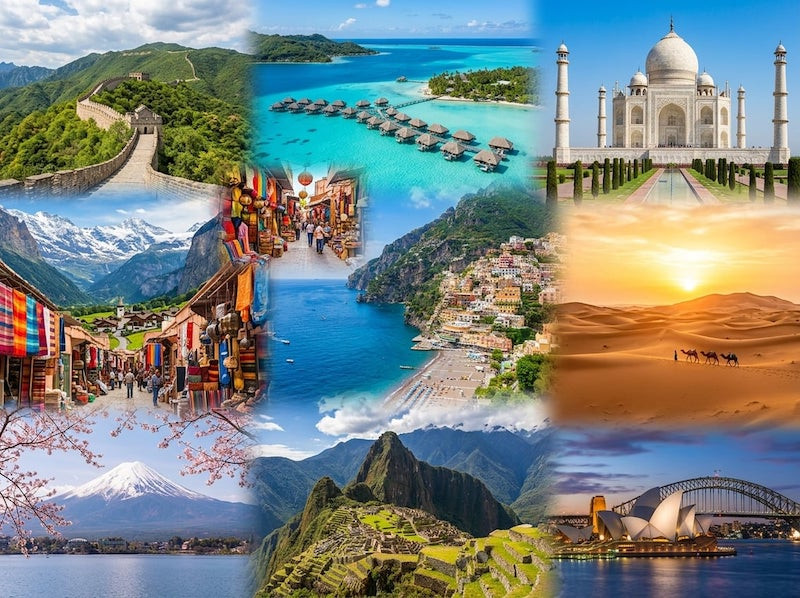
The world offers countless amazing places to explore, but some destinations stand out above all others. This guide counts down the top 10 must-visit places in the world, starting from number 10 and working toward the most incredible destination on Earth. Whether you want to see ancient ruins, stunning natural landscapes, or vibrant cities, these bucket list destinations will give you a unique travel experience.
Planning your travel bucket list can feel overwhelming with so many options. This list makes it simple by focusing on places that truly deserve your time and money. You'll discover what makes each location special and why travelers from around the world consider them essential stops.
From remote islands to historic landmarks, each destination offers something different. Some provide peaceful relaxation while others deliver adventure and cultural discovery. By starting at number 10, you'll build excitement as you read through to the top spot.
Key Takeaways
- The world's top 10 destinations include natural wonders, ancient sites, coastal paradises, and major cities
- Each bucket list destination offers unique experiences ranging from spiritual retreats to mountain adventures
- This countdown helps you prioritize which places deserve a spot on your travel plans
Celebrated Natural Wonders
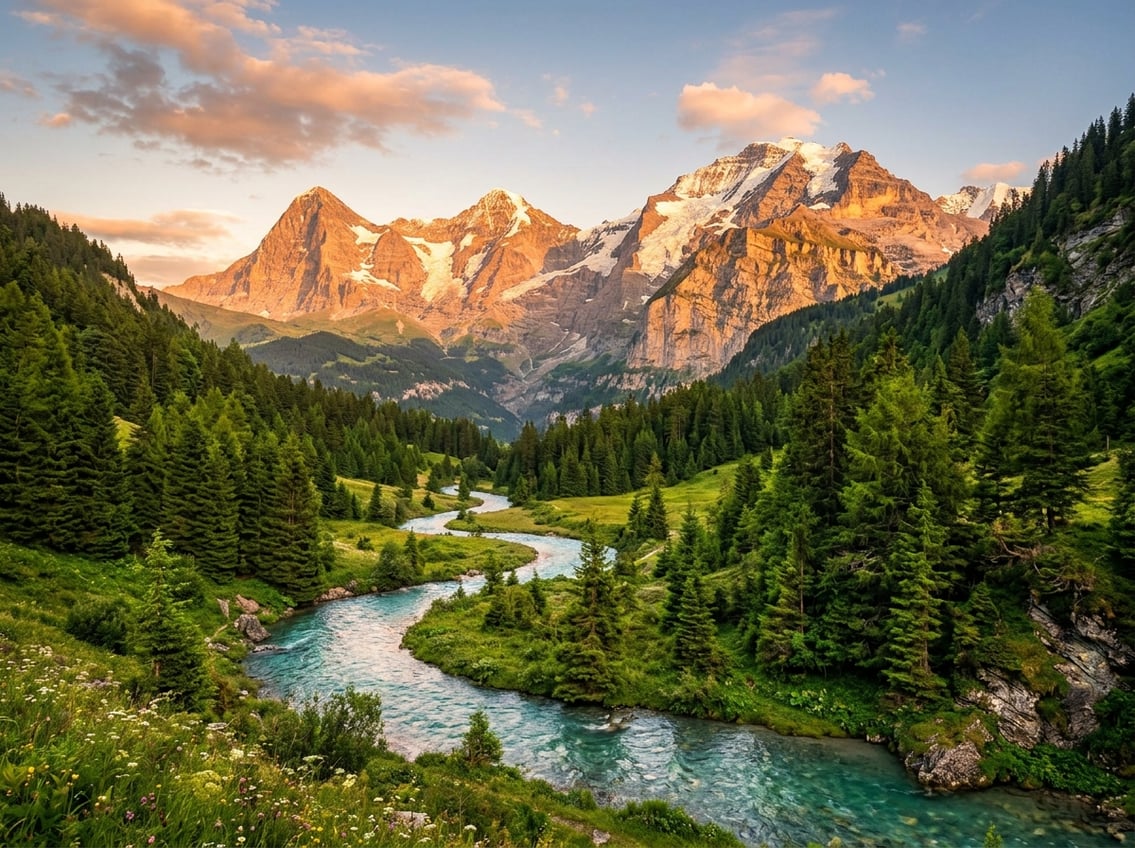
The planet's most stunning landscapes span from Arizona's carved canyons to Australia's underwater ecosystems, offering experiences that range from hiking remote mountain trails to witnessing celestial light displays across polar skies.
Grand Canyon and the Colorado River
The Grand Canyon stretches 277 miles across northern Arizona, with the Colorado River carving through rock layers that reveal nearly two billion years of geological history. The canyon plunges up to one mile deep in places, creating a massive gorge that ranks among the most impressive natural wonders in the world.
You can explore the Grand Canyon through multiple hiking trails that descend from the rim to the river below. The Bright Angel Trail and South Kaibab Trail offer well-maintained paths with rest stations along the way. River rafting trips on the Colorado River provide a different perspective, taking you through rapids and calm stretches where you can see the canyon walls rising thousands of feet above.
The South Rim stays open year-round and receives the most visitors, while the North Rim offers a quieter experience at higher elevation. Sunrise and sunset bring out orange, red, and purple hues in the layered rock formations.
Banff National Park and Lake Louise
Banff National Park covers 2,564 square miles in the Canadian Rockies, making it Canada's oldest national park. Lake Louise sits at 5,029 feet elevation, surrounded by mountain peaks and the Victoria Glacier. The turquoise color of the water comes from glacial flour, which is fine rock particles ground by glaciers and suspended in the meltwater.
You can hike the Lake Agnes Trail or the Plain of Six Glaciers Trail, both starting from Lake Louise's shoreline. These trails take you past waterfalls and teahouses while offering views of surrounding peaks. The park contains over 1,000 miles of hiking trails ranging from easy lakeside walks to challenging mountain ascents.
Moraine Lake, located in the Valley of the Ten Peaks, provides another striking turquoise lake experience. Winter transforms the area into a skiing and ice skating destination, with frozen waterfalls attracting ice climbers from around the world.
Great Barrier Reef in Australia
The Great Barrier Reef extends more than 1,400 miles along Queensland's coast and contains approximately 2,900 individual reefs. This UNESCO-listed natural wonder spans over 2,300 kilometers and supports around 9,000 marine species.
You can access the reef through boat tours departing from Cairns, Port Douglas, or the Whitsunday Islands. Snorkeling in shallow areas lets you observe coral gardens, sea turtles, and colorful fish species. Scuba diving takes you deeper to see larger marine life including reef sharks, rays, and groupers.
Popular reef locations include:
- Heart Reef - Heart-shaped coral formation visible from scenic flights
- Ribbon Reefs - Northern section known for clearer water and diverse marine life
- Hardy Reef - Home to permanent pontoons with underwater observatories
The reef faces threats from warming ocean temperatures, so visiting responsibly means choosing reef-safe sunscreen and following guide instructions to avoid touching coral.
Northern Lights and the Midnight Sun
The Northern Lights appear when charged particles from the sun collide with gases in Earth's atmosphere, creating green, pink, purple, and red light displays across the night sky. You have the best chance of seeing them between September and April in locations within or near the Arctic Circle, including northern Norway, Iceland, Alaska, and Canada's Yukon territory.
The midnight sun occurs during summer months above the Arctic Circle, when the sun remains visible for 24 hours. In Tromsø, Norway, this happens from mid-May to late July. Alaska's Barrow experiences midnight sun from mid-May through early August.
Best viewing locations:
| Location | Northern Lights Season | Midnight Sun Period |
|---|---|---|
| Tromsø, Norway | September-April | May-July |
| Fairbanks, Alaska | August-April | May-July |
| Reykjavik, Iceland | September-April | May-July |
You should check aurora forecasts and choose nights with clear skies and minimal light pollution. Tours often include thermal suits and hot drinks for comfort during long viewing sessions in sub-zero temperatures.
Legendary Ancient and Cultural Sites
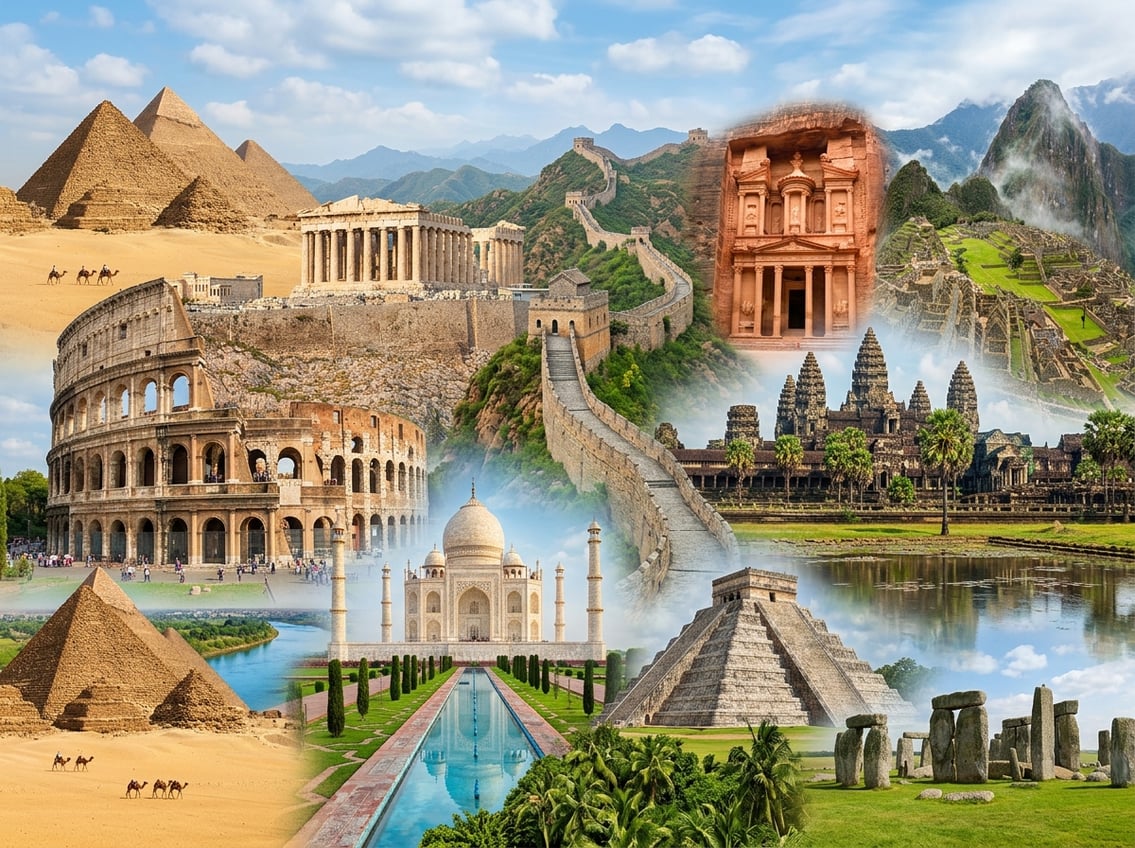
These monuments stand as testaments to human achievement, from the stone cities of lost empires to architectural marvels that have endured for thousands of years. Each destination offers direct access to civilizations that shaped our world.
Machu Picchu and the Inca Trail
You'll find Machu Picchu perched 8,000 feet above sea level in the Peruvian Andes. The Inca built this stone citadel in the 15th century without using mortar or wheels.
The site features over 150 buildings, including temples, residences, and storage structures. You can reach it by hiking the Inca Trail, a 26-mile path that takes four days to complete.
The trail passes through cloud forests and ancient Inca ruins before arriving at the Sun Gate. From there, you get your first view of the lost city below. The site remained hidden from the outside world until 1911.
Petra: The Rose City
Petra sits in southern Jordan, carved directly into rose-red sandstone cliffs by the Nabataean people over 2,000 years ago. You enter through the Siq, a narrow gorge that stretches nearly a mile between 260-foot-high walls.
At the end of the Siq, you'll see Al-Khazneh (the Treasury), a 130-foot-tall facade carved into the rock face. The city contains over 800 registered sites, including tombs, temples, and an amphitheater that seats 3,000 people.
The Nabataeans controlled important trade routes here. They developed sophisticated water management systems that allowed them to thrive in the desert.
Pyramids of Giza, the Sphinx, and the Great Pyramid of Khufu
The Pyramids of Giza were built around 4,500 years ago during Egypt's Old Kingdom period. The Great Pyramid of Khufu stands 481 feet tall and contains approximately 2.3 million stone blocks.
Workers placed each block with remarkable precision. The pyramid's base covers 13 acres and sits level within an inch.
The Sphinx guards the pyramid complex with its lion body and human head carved from a single piece of limestone. It measures 240 feet long and 66 feet high. These structures represent some of the world's most significant ancient sites and remain the only surviving wonder from the original seven wonders of the ancient world.
Colosseum, Pantheon, Vatican City, and the Sistine Chapel
Rome contains multiple must-visit places within a single city. The Colosseum could hold 50,000 spectators who watched gladiator contests and public spectacles starting in 80 AD.
The Pantheon features the world's largest unreinforced concrete dome, completed in 128 AD. Its oculus opens to the sky and remains the building's only light source.
Vatican City operates as an independent city-state within Rome. You'll find the Sistine Chapel here, where Michelangelo painted the ceiling between 1508 and 1512. The chapel displays his Creation of Adam and The Last Judgment, covering over 12,000 square feet of frescoes. St. Peter's Basilica sits nearby as one of Christianity's most important churches.
Idyllic Coastal Destinations
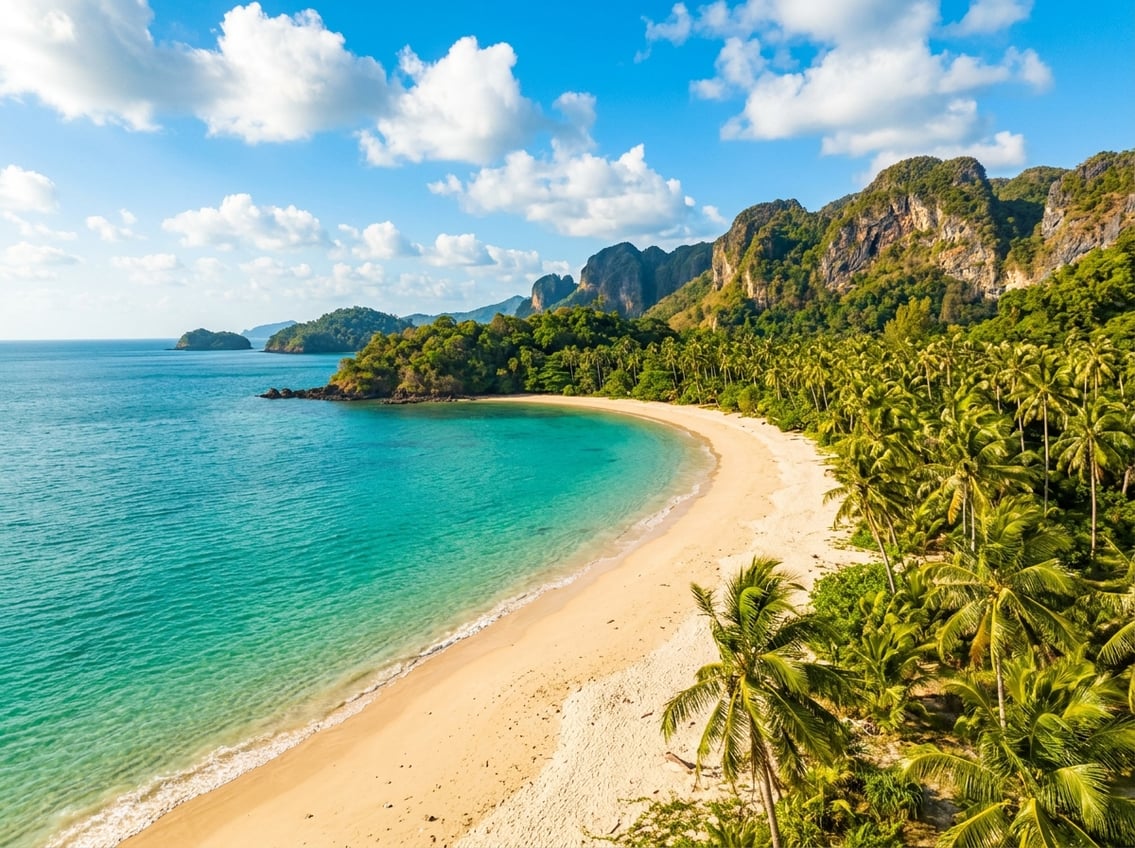
Coastal escapes offer some of the most beautiful places in the world, from Greek island sunsets to Italian clifftop villages and Pacific lagoons. These destinations combine natural beauty with unique cultural experiences that make them best places to visit for travelers seeking paradise.
Santorini, Oia, and Kamari Beach
You'll find Santorini rising dramatically from the Aegean Sea with its iconic white-washed buildings and blue-domed churches. The island's volcanic history created striking black sand beaches and towering cliffs that make it one of Greece's most photographed destinations.
Oia sits on the northern tip of the island and gives you the best sunset views anywhere in the Mediterranean. The village's narrow cobblestone streets wind between traditional cave houses that now serve as boutique hotels and art galleries.
Kamari Beach offers a completely different experience with its long stretch of black volcanic sand. You can rent umbrellas and loungers along the organized beach while tavernas line the waterfront promenade behind you.
Fira, the island's capital, perches 1,200 feet above sea level and connects to the old port below via cable car or donkey paths. You'll discover luxury restaurants, wine bars, and shops selling local products throughout the town's winding streets.
Amalfi Coast and Positano
The Amalfi Coast stretches 30 miles along southern Italy's Sorrentine Peninsula with dramatic cliffs plunging into the Tyrrhenian Sea. You'll navigate hairpin turns on coastal roads that reveal new vistas around every bend.
Positano cascades down the mountainside in layers of pastel-colored buildings stacked above a small beach. The town's vertical layout means you'll climb many stairs, but each level offers boutiques selling handmade sandals, limoncello, and linen clothing.
You can reach the main beach, Spiaggia Grande, by descending through the town center where fishing boats still pull up on the shore. The smaller Fornillo Beach sits a short walk away and typically draws fewer crowds.
What to do:
- Take a boat tour to hidden coves and grottos
- Hike the Path of the Gods trail above the coastline
- Visit ceramic workshops in nearby Vietri sul Mare
- Taste local seafood and fresh pasta at cliffside restaurants
Bora Bora: Overwater Bungalows & French Polynesia
Bora Bora sits in the middle of the South Pacific as part of French Polynesia's Society Islands. You'll see Mount Otemanu rising 2,385 feet from the center of the island while a barrier reef creates a lagoon with waters in shades of turquoise and sapphire.
Overwater bungalows define the Bora Bora experience, giving you direct access to the lagoon from your private deck. These structures sit on stilts above the water with glass floor panels that let you watch tropical fish swim beneath your room. Most include outdoor showers and steps leading straight into the warm lagoon.
The island works as a tropical paradise for snorkeling and diving since the protected lagoon stays calm year-round. You'll encounter manta rays, reef sharks, and hundreds of colorful fish species in the clear water.
Getting to Bora Bora requires a flight to Tahiti followed by a 50-minute connection to the island's small airport. Many resorts provide boat transfers that take you across the lagoon to their private locations on small islets called motus.
Iconic Urban Marvels
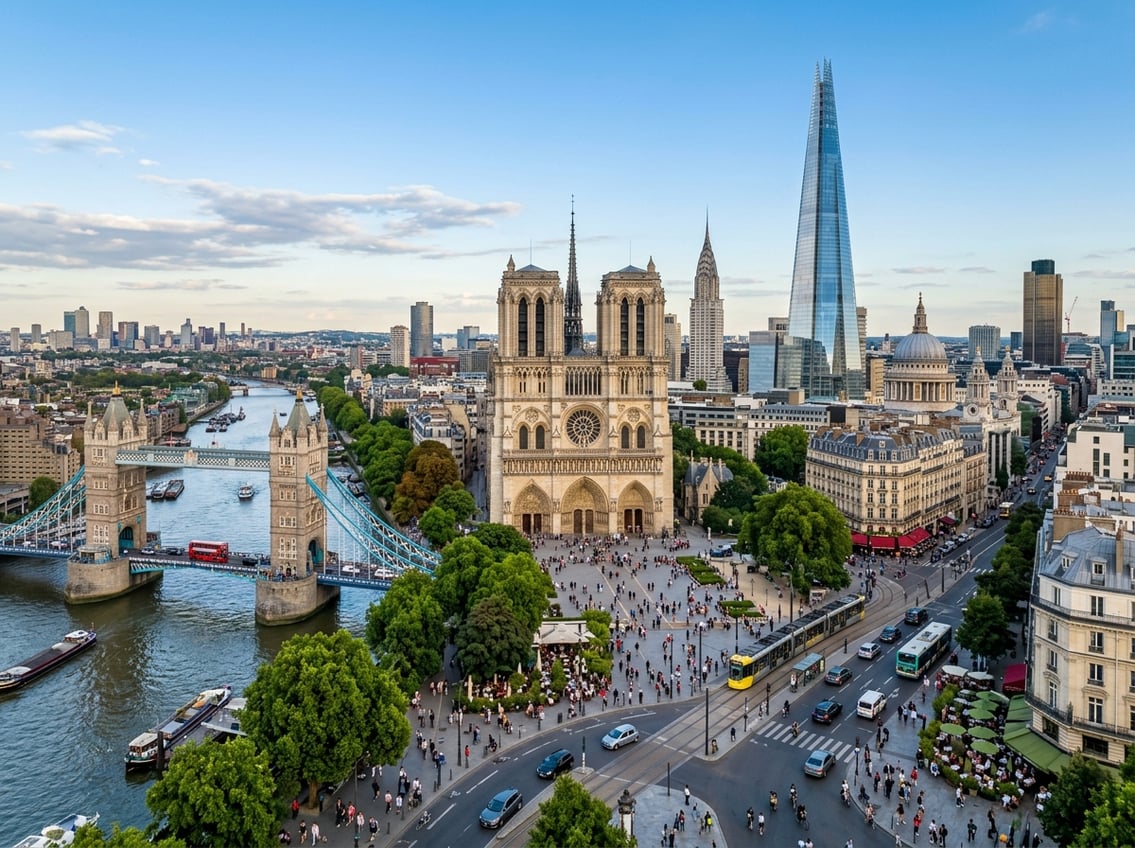
These global cities showcase humanity's greatest architectural and cultural achievements, from iron lattice towers reaching into Parisian skies to curved shells gracing Sydney's waterfront. Each destination offers distinct landmarks that define their skylines and attract millions of visitors annually.
Paris: Eiffel Tower and Louvre Museum
The Eiffel Tower stands 1,063 feet tall in the heart of Paris. You can visit its three observation levels for views across the city. Built in 1889, this iron structure has become France's most recognized symbol.
The Louvre Museum houses over 380,000 objects and displays 35,000 works of art. You'll find the Mona Lisa, Venus de Milo, and Winged Victory of Samothrace here. The museum's glass pyramid entrance contrasts with the historic palace architecture.
Key details:
- Eiffel Tower tickets cost €17-28 depending on access level
- Louvre admission is €17, free on first Sunday of each month
- Both sites require advance booking during peak seasons
You should plan at least half a day for each landmark. The tower is particularly stunning when lit up after sunset.
New York City: Statue of Liberty, Central Park, and Times Square
The Statue of Liberty rises 305 feet from base to torch on Liberty Island. You need ferry tickets to reach the monument, which include access to Ellis Island. Crown reservations require booking months ahead.
Central Park spans 843 acres in Manhattan's center. You can walk, bike, or take horse-drawn carriage rides through the park. Popular spots include Bethesda Fountain, Bow Bridge, and Strawberry Fields.
Times Square attracts 50 million visitors yearly to its bright digital billboards and Broadway shows. You'll see major musicals like The Lion King and Hamilton performed in surrounding theaters. The area stays crowded day and night.
Transportation tips:
- Take subway lines 1, 2, or 3 to access all three locations
- Walking between Central Park and Times Square takes 15 minutes
- Ferry to Statue of Liberty departs from Battery Park
Dubai: Burj Khalifa
The Burj Khalifa reaches 2,717 feet, making it the world's tallest building. You can visit observation decks on floors 124, 125, and 148. The highest deck sits 1,821 feet above ground.
Your tickets grant timed entry to prevent overcrowding. Sunset slots sell out fastest and cost more than standard admission. The elevator travels at 33 feet per second.
Viewing options:
- At the Top (Levels 124-125): Standard experience, AED 149-189
- At the Top SKY (Level 148): Premium experience, AED 378-533
- The Lounge (Levels 152-154): Luxury package with refreshments, AED 769
You'll see the Dubai Fountain show from above, which performs every 30 minutes in the evenings. The building contains a hotel, residences, and office space across 163 floors.
Sydney: Opera House and Harbour
The Sydney Opera House features distinctive white shell-shaped roofs covered in over one million tiles. You can attend opera, ballet, theater, and symphony performances in its seven venues. Tours run daily, showing backstage areas and performance halls.
Sydney Harbour surrounds the Opera House with 150 miles of shoreline. You'll see the Harbour Bridge spanning 3,770 feet across the water. Ferries connect Circular Quay to beaches and neighborhoods around the harbour.
Experience options:
- Guided Opera House tours: 60 minutes, AUD 43
- Harbour ferry rides: AUD 6-8 per trip
- BridgeClimb: 3.5 hours, AUD 174-388
The Royal Botanic Garden sits adjacent to the Opera House, offering free harbour views. You should visit Mrs Macquarie's Chair lookout for photographs capturing both the Opera House and bridge together.
Japan's Spiritual and Scenic Retreats
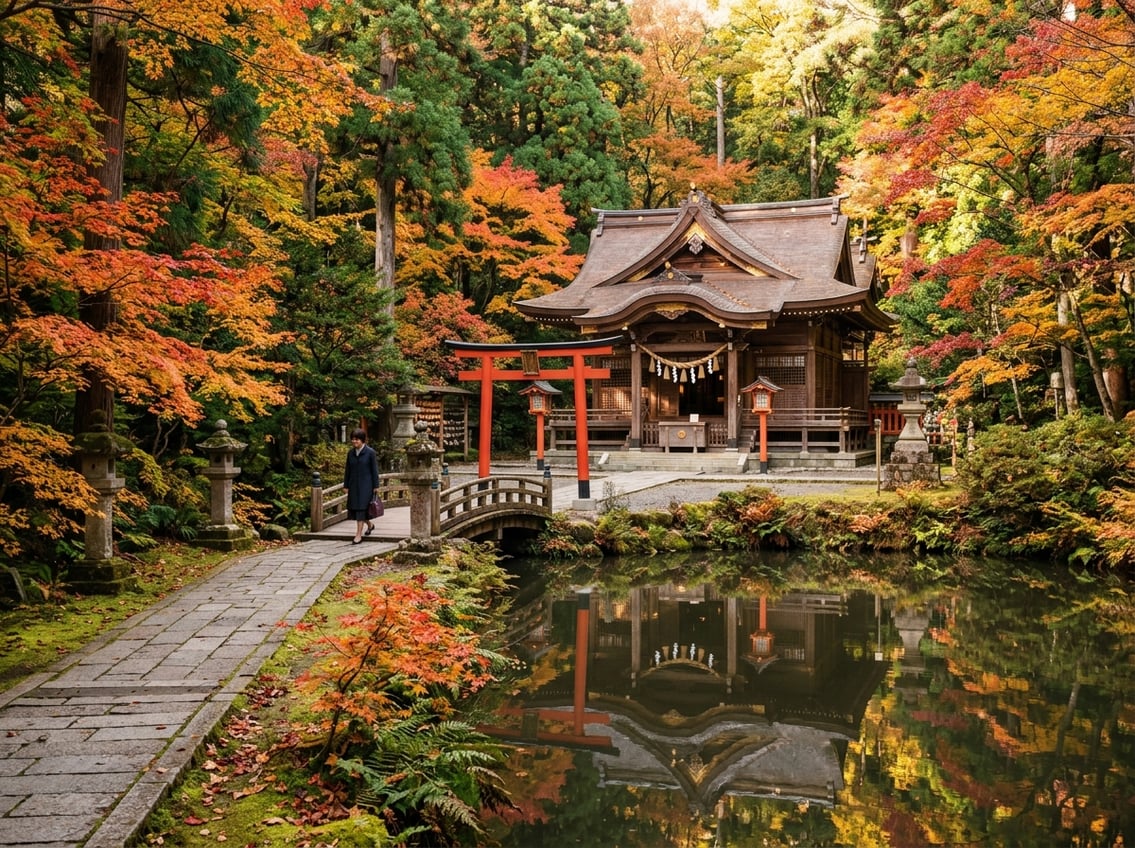
Japan offers a blend of ancient temples, natural wonders, and cultural depth that few destinations can match. The country's sacred sites and bamboo forests create experiences that connect you with both spiritual traditions and stunning landscapes.
Kyoto: Fushimi Inari Shrine and Kinkaku-ji
Kyoto stands as Japan's spiritual heart, where temples and shrines preserve centuries of tradition. Fushimi Inari Shrine draws you through thousands of bright orange torii gates that form tunnels up the mountainside. The path extends for about 4 kilometers, with smaller shrines dotting the route.
Each gate bears the name of its donor, creating a visual record of devotion spanning generations. You can walk the full trail in two to three hours, though many visitors explore just the lower sections.
Kinkaku-ji, the Golden Pavilion, presents a different kind of beauty. The building's top two floors are covered in gold leaf that reflects across the surrounding pond. The temple sits within carefully designed gardens that change with each season.
Best visiting times:
- Spring: Cherry blossoms frame both sites
- Autumn: Red maple leaves create dramatic contrasts
- Early morning: Fewer crowds at both locations
You'll find these sites among the most important spiritual places in Japan, where architecture and nature work together.
Arashiyama Bamboo Grove
The Arashiyama Bamboo Grove creates an otherworldly atmosphere as towering bamboo stalks sway overhead. The main path stretches about 500 meters through dense bamboo that blocks out much of the sky. Light filters through the green canopy in shifting patterns throughout the day.
The grove sits on the western edge of Kyoto, accessible by train or bus. You'll hear the distinctive sound of bamboo creaking and rustling in the wind. The path connects to nearby temples and the Togetsukyo Bridge, which spans the Hozu River.
Early morning visits offer the best experience before tour groups arrive. The surrounding area includes traditional restaurants and craft shops where you can find bamboo products.
Cultural Heritage in Japan
Japan's cultural sites offer more than sightseeing opportunities. At spiritual retreats throughout the country, you can participate in meditation, sutra copying, and other traditional practices. These activities provide what many describe as a mental reset from daily stress.
The Japanese approach to spirituality emphasizes harmony with nature. This philosophy appears in garden design, temple placement, and seasonal celebrations. You don't need religious beliefs to appreciate the craftsmanship and natural beauty at these locations.
Many temples welcome visitors to observe or join morning prayers and rituals. Staff at major sites often speak basic English and provide information about proper etiquette. Your unique travel experience in Japan deepens when you understand the cultural context behind what you're seeing.
Breathtaking Mountain Landscapes
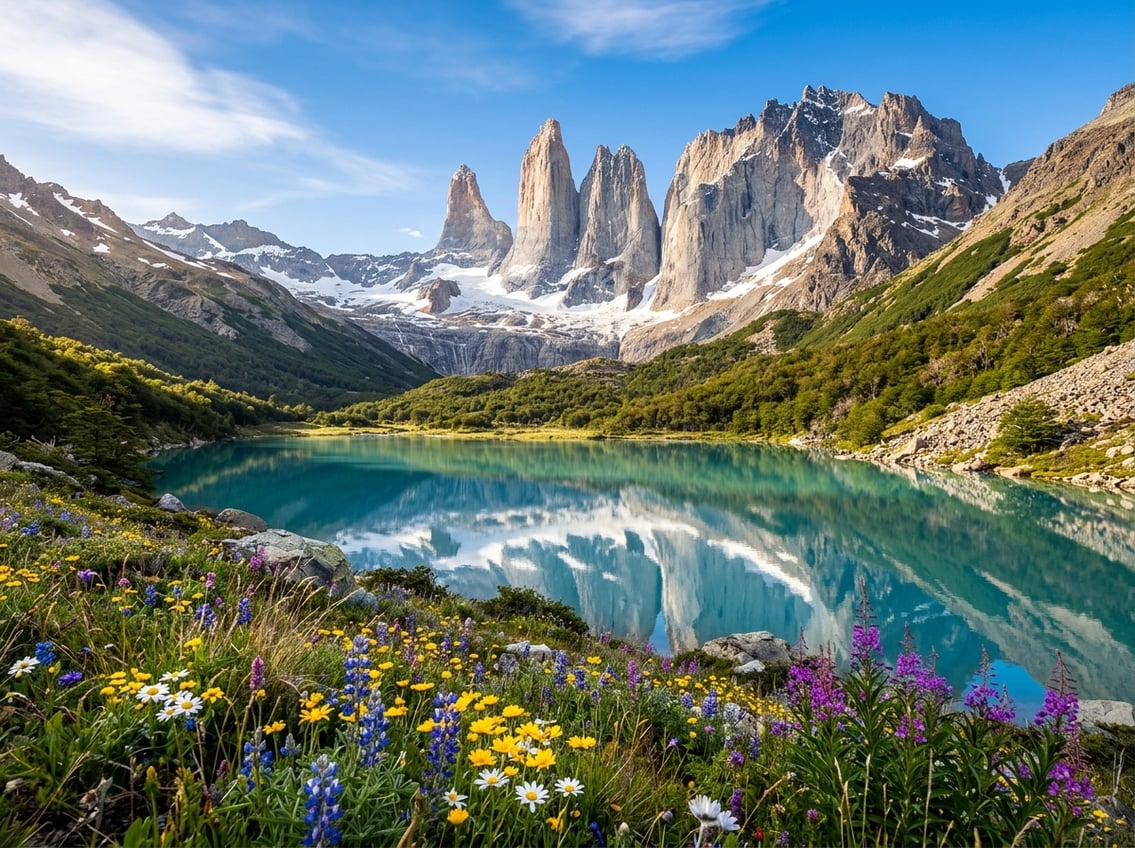
Mountain ranges across the globe offer some of the most stunning natural scenery you can experience. The Swiss Alps and Dolomites stand out for their towering peaks, while destinations like Australia's Blue Mountains and Indonesia's Uluwatu provide unique coastal mountain views.
Swiss Alps and the Dolomites
The Swiss Alps stretch across eight countries and feature some of the most beautiful mountains in the world. You'll find iconic peaks like the Matterhorn, which rises 14,692 feet above sea level. The region offers year-round activities from skiing in winter to hiking in summer.
The Dolomites in northeastern Italy present a different but equally stunning landscape. These mountains are known for their distinctive pale-colored rock formations that turn pink and orange at sunset. The area includes 18 peaks rising above 10,000 feet.
Both ranges provide excellent infrastructure for visitors. You can access mountain villages by cable car and train. The towns offer traditional Alpine architecture and local cuisine that reflects centuries of mountain culture.
Blue Mountains and Uluwatu
The Blue Mountains in Australia sit just 50 miles west of Sydney. These sandstone ridges get their name from the blue haze created by eucalyptus oil in the air. The region features dramatic cliff formations and deep valleys covered in forest.
Uluwatu on Bali's southern coast combines ocean cliffs with temple architecture. The limestone cliffs rise 230 feet above the Indian Ocean. You'll find ancient temples perched on the edge of these cliffs, offering views of waves crashing below.
Both locations provide accessible viewing points. The Blue Mountains has multiple lookout spots connected by walking paths. Uluwatu features clifftop pathways that let you explore the coastline safely.
Scenic Hiking Trails Globally
Mountain ranges around the world offer trails for every skill level. The Tour du Mont Blanc circles the Mont Blanc massif through France, Italy, and Switzerland over 105 miles. This trail takes 7-11 days to complete.
For shorter options, you can try day hikes in the Rockies or Patagonia. These trails range from easy valley walks to challenging peak ascents. Many beautiful mountainous regions maintain well-marked paths with rest stops.
You should consider altitude when planning mountain hikes. Trails above 8,000 feet require acclimatization time. Always check weather conditions before starting, as mountain weather changes quickly.
Other Noteworthy Bucket List Destinations
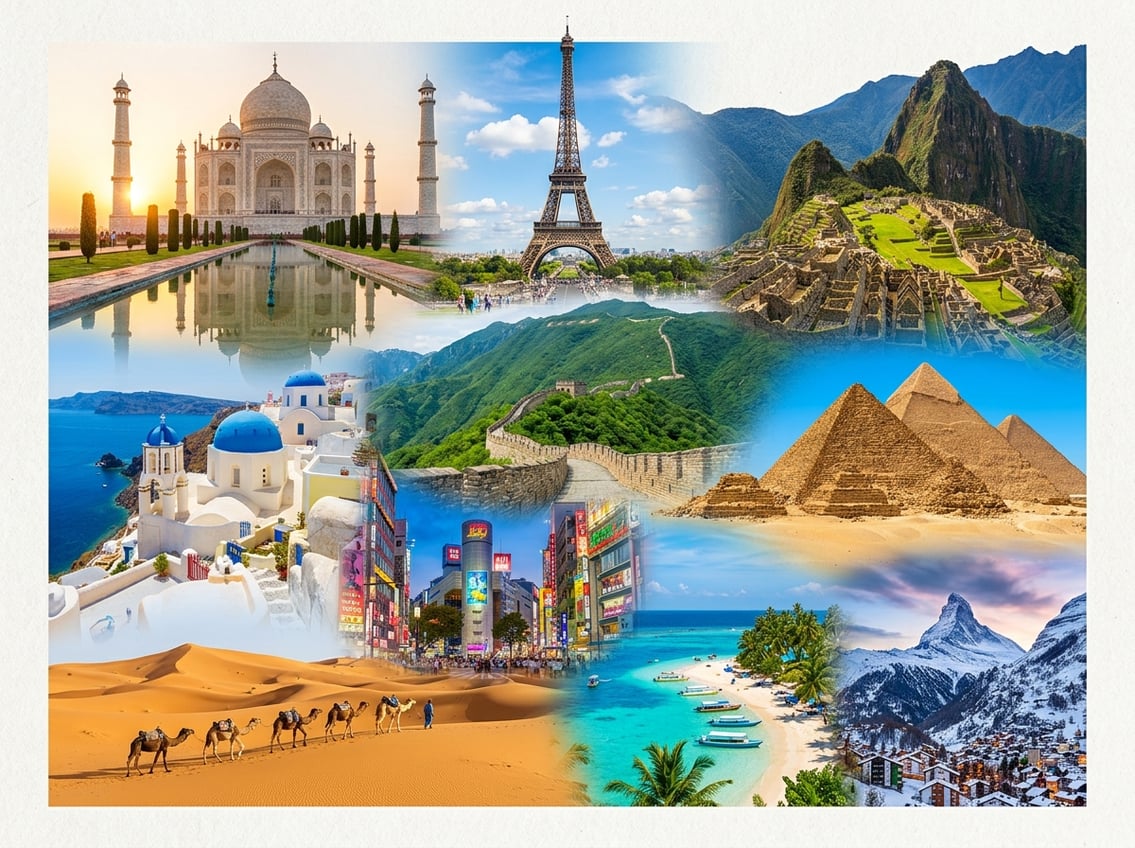
Beyond the main destinations, several remarkable places offer experiences that stay with you long after you return home. Ancient carved monuments, tropical island getaways, sacred coastal temples, and volcanic beaches each provide their own reasons to add them to your travel plans.
Petra's Al-Khazneh and the Siq
You enter Petra through the Siq, a narrow canyon that stretches over half a mile with walls rising 260 feet on both sides. The path winds through this natural gorge for about 20 minutes before revealing Al-Khazneh, also known as the Treasury.
Al-Khazneh stands 130 feet tall and was carved directly into rose-red sandstone cliffs more than 2,000 years ago. The facade features intricate columns and detailed sculptures that the Nabataeans created as a royal tomb. The stone changes color throughout the day as sunlight hits it from different angles.
You need to walk the entire site to see the Monastery, another carved structure that requires climbing 800 steps. The ancient city covers 102 square miles and includes tombs, temples, and an amphitheater. Most visitors spend a full day exploring Petra, though you can easily fill two or three days.
Sentosa Island Adventures
Sentosa Island sits just off Singapore's southern coast and offers you beach activities, theme parks, and entertainment options. You can reach it by cable car, monorail, or a short bridge crossing from the mainland.
The island includes Universal Studios Singapore, S.E.A. Aquarium with over 100,000 marine animals, and Adventure Cove Waterpark. You'll find three main beaches along the southern shore where you can swim, kayak, or paddleboard in calm waters.
Popular activities include:
- Skyline Luge rides down hillside tracks
- Fort Siloso, a preserved coastal fort from the 1880s
- Madame Tussauds wax museum
- Beach volleyball courts and walking trails
You can stay in luxury resorts right on the island or visit as a day trip from Singapore. The island works well for families since attractions cater to different age groups.
Tanah Lot and Bali's Sacred Temples
Tanah Lot sits on a rock formation about 65 feet offshore on Bali's southwestern coast. This Hindu temple was built in the 16th century and remains one of Bali's most photographed sites. You can walk to the temple during low tide, though only worshippers enter the main structure.
The temple is part of a chain of sea temples along Bali's coast. Each temple was positioned to be visible from the next one, creating a spiritual connection across the island. You'll get the best views during sunset when crowds gather to watch the sun drop behind the temple silhouette.
Bali contains thousands of temples, but several stand out. Uluwatu Temple perches on cliffs 230 feet above the ocean. Besakih Temple, known as the Mother Temple, sits on the slopes of Mount Agung. These sacred sites give you insight into Balinese Hindu practices that blend with local customs.
Black Sand Beaches Around the World
Volcanic activity creates black sand beaches when lava hits the ocean and breaks down into fine particles. You'll find these unique beaches in Iceland, Hawaii, New Zealand, and other volcanic regions.
Reynisfjara Beach in Iceland features black sand, basalt columns, and powerful waves that draw visitors year-round. The beach sits near the village of Vik and includes sea stacks rising from the water. Strong currents make swimming dangerous, but the landscape offers a unique travel experience different from typical tropical beaches.
Hawaii's Punaluu Beach on the Big Island gives you a chance to see green sea turtles resting on black sand. The contrast between dark sand and turquoise water creates striking views. New Zealand's Karekare Beach near Auckland provided filming locations for several movies due to its dramatic black sand and surrounding cliffs.
Frequently Asked Questions
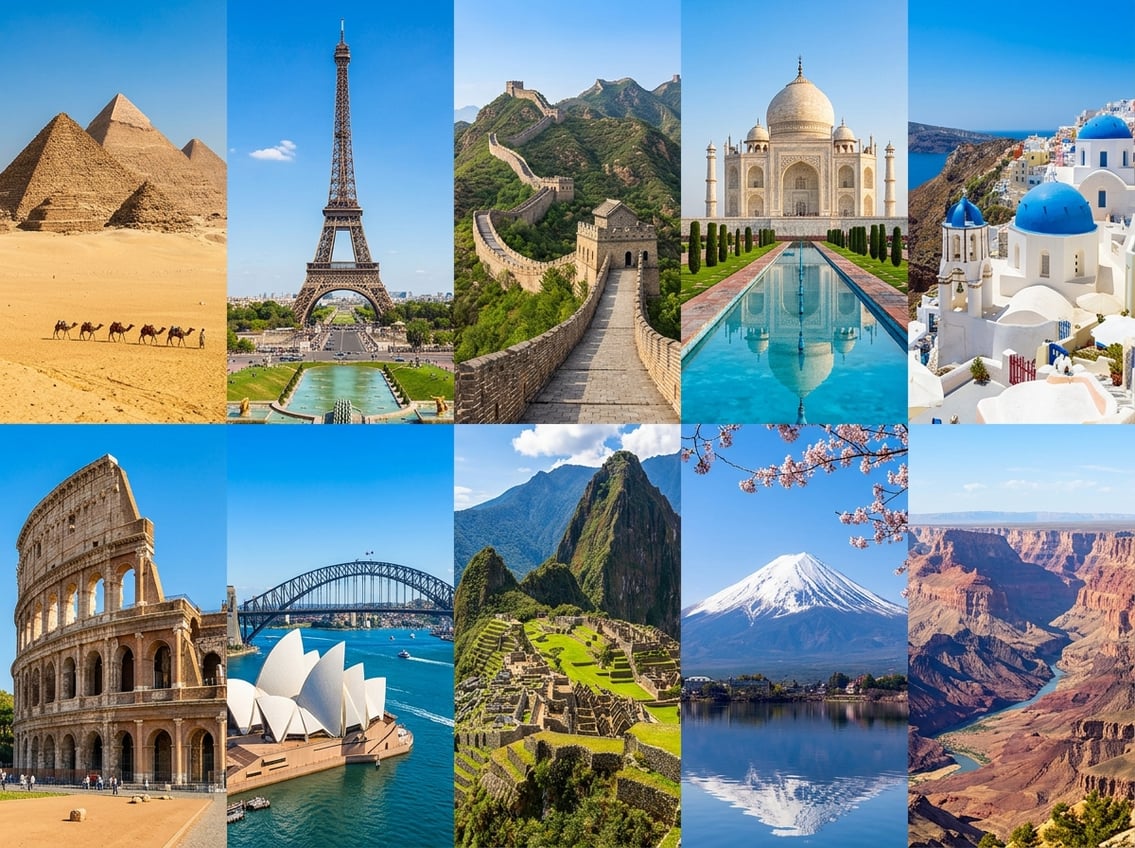
Travelers often wonder which destinations deserve a spot on their bucket list and when to visit these iconic locations. Understanding the best places for different types of experiences helps you plan trips that match your interests and travel style.
What are the top 10 places to visit in the world before you die?
The most commonly recommended destinations for your bucket list include a mix of natural wonders and cultural landmarks. Popular choices feature the Great Barrier Reef in Australia, Machu Picchu in Peru, and the Northern Lights in Iceland or Norway.
You should also consider Petra in Jordan, the Taj Mahal in India, and the Galápagos Islands in Ecuador. Many travelers add Santorini in Greece, the Grand Canyon in the United States, and Angkor Wat in Cambodia to their lists.
Safari experiences in Tanzania or Kenya and visits to Paris, France round out most top-ten lists. These locations offer experiences you cannot find anywhere else in the world.
Which countries are considered the best to visit for first-time international travelers?
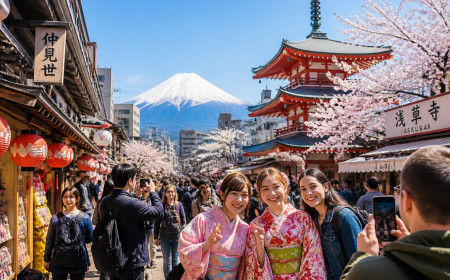
Japan stands out as an excellent choice for first-time travelers because of its safety, cleanliness, and efficient public transportation. The country offers a mix of modern cities and traditional culture that appeals to many visitors.
Italy provides easy access to world-class art, food, and history across multiple cities you can reach by train. England works well for English speakers who want to experience international travel without language barriers.
Thailand offers affordable prices and friendly locals who are used to helping tourists. New Zealand combines stunning natural beauty with a well-developed tourism infrastructure that makes travel straightforward.
What are the most beautiful places in the world to visit for natural scenery?
The Maldives features crystal-clear waters and white sand beaches that create picture-perfect tropical scenes. Norway's fjords offer dramatic cliffs, waterfalls, and deep blue waters surrounded by mountains.
Patagonia in Chile and Argentina showcases glaciers, granite peaks, and turquoise lakes across vast wilderness areas. New Zealand's South Island combines snow-capped mountains, pristine lakes, and coastal landscapes in compact distances.
Iceland presents otherworldly landscapes with volcanoes, geysers, black sand beaches, and massive waterfalls. The Canadian Rockies in Alberta feature emerald lakes and towering peaks along scenic mountain highways.
What are the top travel destinations for 2026 based on current trends?
Current travel trends for 2026 point toward destinations that offer authentic cultural experiences and natural beauty. Japan continues to attract visitors following recent currency changes that make it more affordable.
Portugal has grown in popularity due to its combination of beaches, historic cities, and lower costs compared to other Western European countries. Vietnam appeals to travelers seeking Southeast Asian culture with excellent food and diverse landscapes.
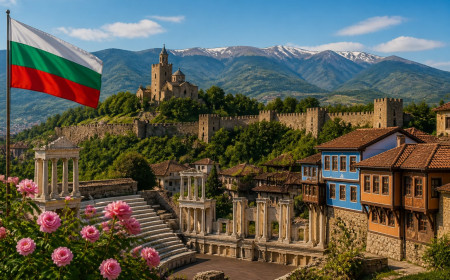
Morocco offers proximity to Europe with exotic markets, desert landscapes, and coastal towns. Albania and other Balkan countries are gaining attention as less-crowded alternatives to Mediterranean hotspots.
How do you choose a balanced world travel bucket list across continents and cultures?
You should select at least one destination from each major continent to experience different cultures and landscapes. Include a mix of natural wonders like national parks and human-made sites like ancient ruins or historic cities.
Balance your list between tropical beaches, mountain ranges, deserts, and urban centers. Add destinations that represent different cultural traditions such as Asian temples, European cathedrals, African wildlife reserves, and South American archaeological sites.
Consider including both popular tourist destinations and lesser-known locations that offer unique experiences. Your list should reflect your personal interests whether that means food, history, adventure activities, or relaxation.
What are the must-see attractions and best times to visit the world's most iconic destinations?
The Eiffel Tower in Paris draws millions of visitors each year and looks best during spring from April to June or fall from September to October. The Great Wall of China offers the most comfortable weather in April, May, September, and October when temperatures are mild.
Machu Picchu in Peru experiences dry season from May to September, which provides the clearest views but also the largest crowds. The Northern Lights appear most frequently from September to March in locations above the Arctic Circle.
The Taj Mahal in India shines brightest during the cooler months from October to March when temperatures are more pleasant. The Grand Canyon offers different experiences by season, with spring and fall providing moderate temperatures for hiking.
Safari trips in Tanzania and Kenya work best during dry seasons from June to October when animals gather near water sources. The Great Barrier Reef in Australia offers the warmest water temperatures and best visibility from June to November.
What's Your Reaction?
 Like
1
Like
1
 Dislike
0
Dislike
0
 Love
0
Love
0
 Funny
0
Funny
0
 Wow
0
Wow
0
 Sad
0
Sad
0
 Angry
0
Angry
0






Comments (0)