
Hyatt’s Luxury Hotel Growth Strategy Explained
Hyatt is accelerating luxury and lifestyle growth through an asset-light strategy focused on brands, management, and loyalty. Here’s what it means.

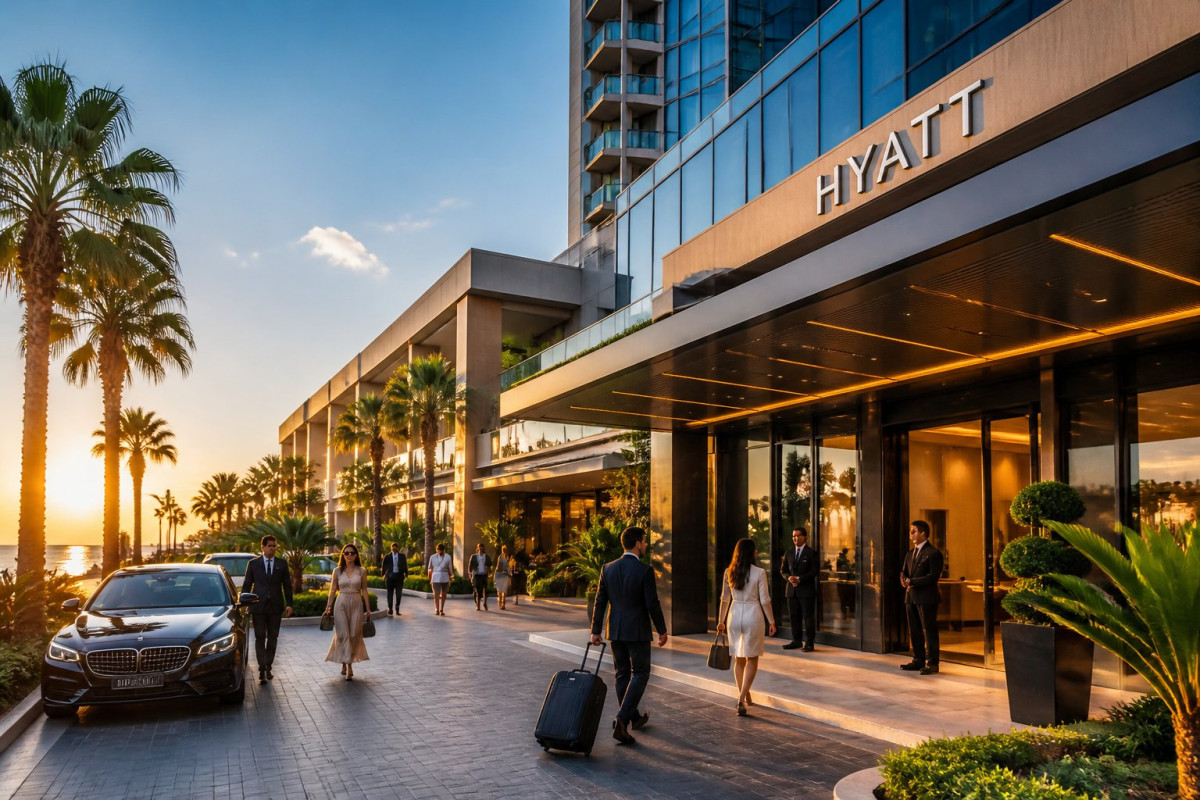
Hyatt’s latest push into luxury and lifestyle hotels matters far beyond its own portfolio. It signals how one of the world’s most recognized hospitality companies believes premium travel is evolving and where future value in the hotel business will be created. At a time when travelers are prioritizing memorable experiences, design-led stays, wellness, and personalized service, Hyatt is doubling down on the segments that command stronger loyalty, higher rates, and greater brand distinction.
What makes this strategy especially significant is that it is not simply about opening more hotels. Hyatt’s expansion is tied to a broader asset-light transformation, a model that moves the company away from owning large amounts of real estate and toward managing, franchising, and growing brands. In practical terms, that means Hyatt can expand faster, enter more destinations, and focus capital on customer experience, digital capabilities, and loyalty rather than tying up resources in bricks and mortar.
For investors, owners, developers, and travelers, this shift offers a clear window into the future of the hospitality industry. Luxury and lifestyle are no longer niche categories. They are increasingly central to how hotel groups compete for affluent guests, urban travelers, remote workers, and experience-driven consumers. Hyatt’s strategy reflects that reality, and its execution will shape how the brand competes against rivals such as Marriott, Hilton, Accor, and IHG in the years ahead.
Introduction
Hyatt has spent the past several years refining its identity in the global hotel market. Rather than chasing scale for its own sake, the company has increasingly positioned itself around high-value segments where brand strength and guest loyalty matter most. Its major growth in luxury and lifestyle hotels is the clearest expression of that approach.
The strategy comes at a time when the travel industry is being reshaped by several powerful trends:
- Travelers are spending more on premium experiences and less on standardized stays.
- Hotel owners are seeking global brands with strong distribution and loyalty systems.
- Urban mixed-use developments and resort destinations are creating more opportunities for lifestyle-led hotels.
- Asset-light models are giving hotel companies more flexibility and stronger fee-based earnings.
Hyatt’s expansion strategy sits at the intersection of all four trends. By emphasizing luxury and lifestyle brands while reducing exposure to owned real estate, the company is attempting to build a business that is more scalable, more resilient, and more relevant to modern travel demand.
Key Facts
- Asset-light focus: Hyatt is prioritizing management and franchise growth over direct property ownership, allowing faster global expansion with less capital tied to real estate.
- Luxury and lifestyle concentration: The company is investing heavily in premium segments where guests are willing to pay more for design, service, wellness, and curated experiences.
- Loyalty as a growth engine: Hyatt’s brand strategy is reinforced by its loyalty ecosystem, helping convert one-time guests into repeat customers across multiple luxury and lifestyle brands.
Main Analysis
At the core of Hyatt’s expansion strategy is a simple but powerful business logic: brand-driven hospitality can generate attractive returns without requiring the company to own every building it operates. This is the essence of the asset-light model. Instead of deploying large amounts of capital to acquire or develop hotels, Hyatt can partner with owners and developers who fund the physical assets while Hyatt provides the brand, operating expertise, reservation systems, marketing reach, and loyalty network.
This approach is especially effective in luxury and lifestyle segments. Premium hotels rely heavily on intangible strengths such as reputation, service culture, design sensibility, culinary concepts, and customer trust. Those are precisely the areas where a global operator like Hyatt can add value without necessarily owning the property itself.
In other words, Hyatt is betting that the future of hospitality leadership lies less in real estate accumulation and more in brand curation and guest relationship management.
Why luxury and lifestyle are strategic priorities
Luxury and lifestyle hotels have become some of the most attractive segments in the industry for several reasons. First, they often command higher average daily rates and can generate stronger margins when well positioned. Second, they appeal to travelers who are more likely to be loyal if the brand consistently delivers meaningful experiences. Third, they create a halo effect for the broader company portfolio, enhancing brand prestige and helping attract owners seeking premium positioning.
For Hyatt, the appeal is even stronger because the company has long maintained a reputation for quality over sheer footprint. Competing head-to-head with larger rivals on room count alone would be difficult. Competing on premium brand relevance is more achievable and potentially more profitable.
Luxury travelers today are not only looking for opulence. They want authenticity, personalization, wellness offerings, local immersion, and thoughtful design. Lifestyle travelers, meanwhile, often seek social energy, food and beverage concepts, neighborhood connection, and a distinctive sense of place. These preferences align well with Hyatt’s portfolio strategy, which emphasizes differentiated brands rather than a one-size-fits-all product.
How the asset-light transformation supports expansion
Hyatt’s asset-light transformation gives the company several strategic advantages. The most obvious is speed. When a hotel company is not constrained by the need to own each property, it can enter markets more quickly through management agreements, franchise deals, and strategic partnerships.
Another advantage is financial flexibility. Real estate ownership can be lucrative in the right cycle, but it also exposes companies to heavy capital requirements, market volatility, and balance-sheet risk. By shifting toward fee-based income from managed and franchised properties, Hyatt can create a more predictable earnings profile while preserving capital for technology, marketing, acquisitions, and brand development.
This matters in a hotel industry where guest expectations are changing rapidly. Companies need resources to invest in digital booking platforms, mobile check-in, personalized offers, loyalty integrations, and sustainability initiatives. An asset-light model can free up capital for those priorities.
There is also a portfolio benefit. Because Hyatt can work with multiple owners in multiple markets, it can grow a more diverse set of luxury and lifestyle hotels across urban gateways, resort destinations, cultural capitals, and emerging leisure markets. That diversification can improve resilience when travel demand shifts geographically.
Brand building over real estate ownership
One of the most important aspects of Hyatt’s strategy is its recognition that in modern hospitality, the brand itself can be the most valuable asset. A strong luxury or lifestyle brand does more than fill rooms. It shapes expectations, influences traveler choice, and supports premium pricing.
Brand building in this context includes:
- Developing distinct identities for each hotel flag
- Creating consistent service standards without eliminating local character
- Investing in marketing that highlights experience rather than just accommodation
- Connecting properties through loyalty benefits and digital channels
- Curating food, wellness, and design experiences that reinforce brand positioning
This is where Hyatt’s strategy becomes more sophisticated than a simple expansion plan. The company is not merely adding inventory. It is trying to create a network of premium experiences that feel differentiated yet connected under the Hyatt umbrella.
The role of loyalty in Hyatt’s growth model
No analysis of Hyatt’s expansion strategy is complete without considering loyalty. In an increasingly crowded hotel market, loyalty programs are not just marketing tools. They are demand engines. They lower customer acquisition costs, increase repeat bookings, and provide valuable data about guest preferences.
For Hyatt, loyalty plays an especially important role because luxury and lifestyle travelers often move across trip types. A guest might book a business stay in a major city, a wellness retreat for a long weekend, and a beach resort for a family holiday. If Hyatt can keep that traveler within its ecosystem, the lifetime value of the customer rises significantly.
Loyalty also strengthens Hyatt’s appeal to hotel owners. Owners want brands that can deliver occupancy, rate strength, and direct bookings. A robust loyalty platform helps Hyatt compete for management and franchise opportunities, particularly in premium segments where customer retention is highly valuable.
How Hyatt compares with major competitors
Hyatt’s strategy shares common ground with other global hotel groups, but its emphasis has a distinct flavor. Marriott has enormous scale and a broad portfolio that spans nearly every segment. Hilton has built strong consistency and distribution power. Accor has been active in lifestyle partnerships and international expansion. IHG continues to strengthen its premium and luxury offerings while leveraging a large global system.
Hyatt, by contrast, often appears more selective and brand-led in its premium positioning. Its relative advantage is not the largest footprint but a concentrated push into segments where service, design, and experience can justify higher value. That focus can be powerful if executed well, especially as affluent travelers become more discerning and less interested in generic luxury.
The challenge, however, is that premium positioning requires flawless delivery. In luxury and lifestyle hospitality, inconsistency is punished quickly. Guests paying top rates expect memorable experiences, not just polished marketing. Hyatt’s growth strategy will therefore depend as much on operational discipline as on development momentum.
I
ndustry trends supporting the strategy
Several broader trends support Hyatt’s decision to expand in luxury and lifestyle hotels.
- Experiential travel: Travelers increasingly value unique, place-based experiences over standardized accommodation.
- Bleisure demand: The blending of business and leisure travel has increased interest in hotels that offer both productivity and personality.
- Wellness integration: Premium guests are prioritizing spas, fitness, nutrition, mindfulness, and restorative design.
- Design-led hospitality: Architecture, interiors, and local storytelling now influence booking decisions more than ever.
- Fee-based growth: Investors generally favor asset-light hotel models for their scalability and lower capital intensity.
These trends suggest Hyatt is not moving against the market. It is aligning itself with where demand and investor preference are already heading.
Benefits of Hyatt’s expansion strategy
- Faster growth potential: Asset-light expansion allows Hyatt to add hotels and enter markets without the slow pace of property ownership.
- Stronger returns on capital: Management and franchise fees can produce attractive earnings with less balance-sheet risk.
- Higher brand relevance: Luxury and lifestyle properties enhance Hyatt’s image and attract premium travelers.
- Improved owner appeal: Developers may be more likely to partner with a brand that combines premium positioning with global distribution.
- Greater loyalty value: A broader premium portfolio gives guests more reasons to stay within the Hyatt ecosystem.
Challenges and risks
Despite its advantages, Hyatt’s strategy is not without challenges. Luxury and lifestyle growth can be difficult to scale without diluting what makes the brands special. The more rapidly a company expands, the harder it becomes to maintain service standards, design integrity, and local authenticity.
There is also competitive pressure. Nearly every major hotel group is chasing affluent travelers and high-end owners. That can lead to crowding in key markets and make it harder to stand out. In some destinations, luxury supply may grow faster than demand, putting pressure on rates and occupancy.
Another risk involves economic cycles. Luxury travel can be resilient, but it is not immune to downturns, geopolitical instability, or shifts in consumer confidence. Hyatt’s asset-light model reduces some financial exposure, yet premium demand remains sensitive to broader economic conditions.
Finally, lifestyle hotels can be especially vulnerable to trend fatigue. Concepts that feel fresh today may seem dated in a few years. Hyatt must continuously evolve its brand storytelling, design, and programming to stay relevant.
Expert Tips for readers tracking Hyatt and the hotel sector
- Watch fee-based growth metrics: Asset-light success is best measured through management and franchise expansion, not just hotel count.
- Follow loyalty engagement: Strong repeat business is a key sign that Hyatt’s premium strategy is resonating with travelers.
- Assess market mix: Growth in gateway cities, resort destinations, and emerging leisure markets can reveal how balanced the strategy really is.
- Look beyond openings: The quality of the brand pipeline matters more than raw expansion numbers.
- Track guest experience signals: Reviews, service consistency, and brand perception are critical indicators in luxury and lifestyle hospitality.
Future outlook
Looking ahead, Hyatt appears well positioned to benefit from continued demand for premium, experience-led travel. If the company can maintain brand clarity, support owners effectively, and deepen loyalty engagement, its luxury and lifestyle concentration could become a long-term competitive strength.
The next phase of growth will likely depend on disciplined execution in several areas:
- Expanding into high-demand international and resort markets
- Maintaining distinct identities across luxury and lifestyle brands
- Using data and technology to personalize the guest journey
- Strengthening direct booking and loyalty conversion
- Balancing rapid expansion with consistent service quality
If Hyatt manages those priorities well, its asset-light transformation may prove to be more than a financial strategy. It could become the foundation for a more agile and premium-focused hospitality model, one that reflects how modern travelers choose where to stay and why they return.
Frequently Asked Questions
1. Why is Hyatt focusing on luxury and lifestyle hotels?
Hyatt is focusing on luxury and lifestyle hotels because these segments align with rising demand for experiential travel, premium service, and differentiated brand experiences. They also tend to support stronger pricing and guest loyalty.
2. What does an asset-light strategy mean for Hyatt?
An asset-light strategy means Hyatt is reducing its emphasis on owning hotel real estate and instead growing through management and franchise agreements. This allows the company to expand faster with less capital tied up in physical properties.
3. How does Hyatt’s strategy benefit hotel owners and developers?
Owners and developers can benefit from Hyatt’s global brand recognition, reservation systems, operating expertise, and loyalty network. These tools can help improve occupancy, pricing power, and overall property performance.
4. Is Hyatt’s expansion strategy different from its competitors?
Yes, while many hotel groups use asset-light models, Hyatt’s strategy stands out for its concentrated emphasis on luxury and lifestyle growth as a core identity rather than simply one part of a broad scale-driven approach.
5. What are the biggest risks to Hyatt’s growth plan?
The main risks include increased competition in premium hospitality, the challenge of maintaining brand quality during expansion, possible economic slowdowns, and the need to keep lifestyle concepts fresh and relevant.
Call to Action
For travelers, owners, and industry observers, Hyatt’s expansion strategy is worth watching closely. It offers a real-time case study in how hospitality brands are adapting to a market shaped by experience, flexibility, and loyalty. If you are evaluating where the hotel industry is headed next, keep an eye on how Hyatt builds its luxury and lifestyle footprint, how it supports owners, and how effectively it turns premium stays into long-term customer relationships.
Explore Hyatt’s evolving brand portfolio, compare its strategy with other major hotel groups, and follow the broader shift toward asset-light growth to better understand where premium travel is going.
Conclusion
Hyatt’s major growth in luxury and lifestyle hotels is more than an expansion announcement. It is a strategic statement about what the company believes will drive value in hospitality over the next decade. By embracing an asset-light model, prioritizing brand building over real estate ownership, and aligning itself with demand for experiential premium travel, Hyatt is positioning itself for a more focused and potentially more profitable future.
The opportunity is compelling. Luxury and lifestyle segments offer strong pricing power, meaningful loyalty potential, and a platform for differentiation in a crowded market. Yet the strategy also demands precision. Hyatt must scale without losing authenticity, broaden its footprint without weakening service, and grow its premium appeal while navigating intense competition.
If it succeeds, Hyatt will not only expand its presence in high-end hospitality. It may also help define what modern hotel growth looks like: less about owning assets, more about owning the guest relationship. That is a strategy with implications far beyond one company, and it is why Hyatt’s next moves deserve serious attention.
Frequently Asked Questions
What's Your Reaction?
 Like
0
Like
0
 Dislike
0
Dislike
0
 Love
0
Love
0
 Funny
0
Funny
0
 Wow
0
Wow
0
 Sad
0
Sad
0
 Angry
0
Angry
0










Comments (0)