
Copa Airlines Resumes Panama–Caracas Flights in 2026
Learn what Copa Airlines’ resumed Panama–Caracas service means for schedules, entry rules, connections, fares, and travel planning in 2026.

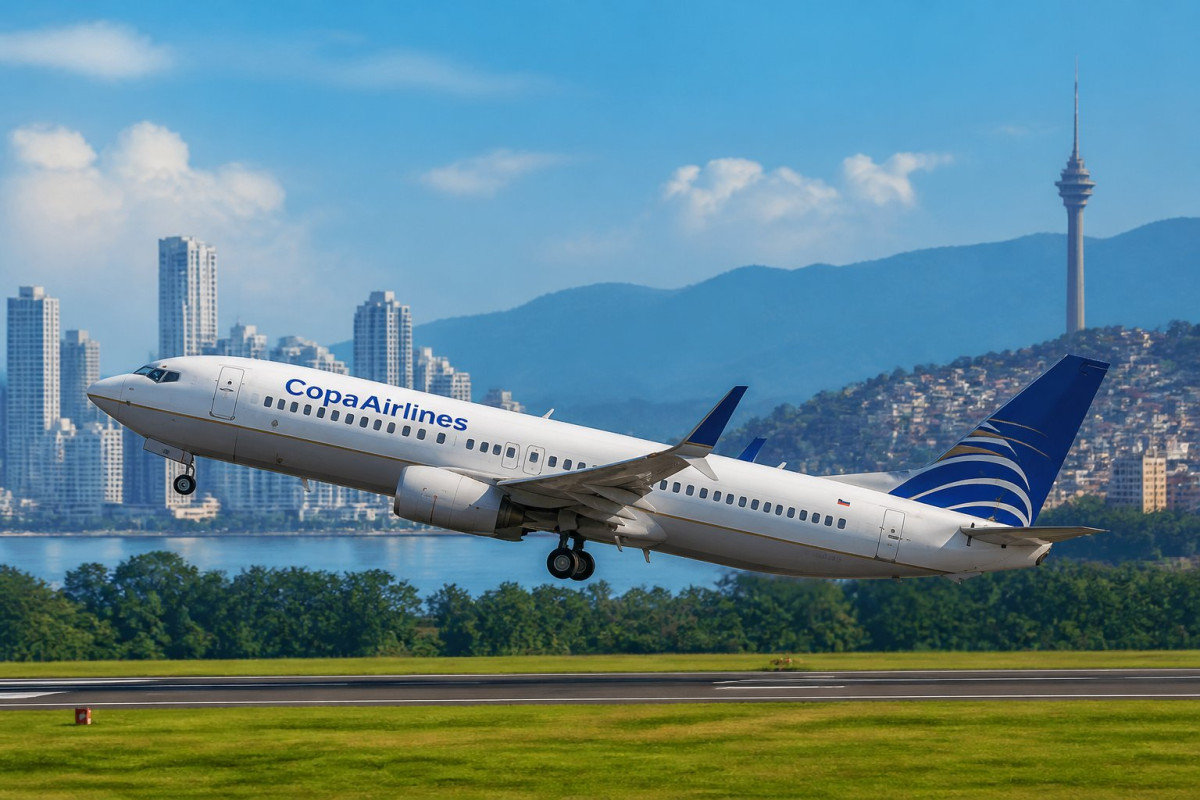
If you are searching for the latest update on Copa Airlines resuming flights between Panama and Caracas, your main goal is likely simple: you want to know whether the route is operating, what it means for connectivity with Venezuela, and how you can plan your trip with fewer surprises. The short answer is that Copa Airlines has restored service between Panama City and Caracas, reactivating one of the most important air links for travelers moving between Venezuela and the rest of the Americas through Panama’s hub system.
This matters because you are not just looking at one point-to-point route. You are looking at a gateway. With Copa’s network centered at Tocumen International Airport in Panama City, the resumed Caracas service improves access to destinations across Latin America, the Caribbean, and North America, while also giving business travelers, families, and diaspora communities a more efficient option than fragmented indirect itineraries.
Why this route matters again in 2026
The Panama–Caracas corridor has long been strategically important. Panama functions as a regional connecting hub, and Caracas remains a key origin and destination market for family visits, commerce, medical travel, and onward international connections.
When connectivity with Venezuela is reduced, you feel the impact immediately in fewer flight choices, longer travel times, and often higher fares. The resumption of Copa Airlines flights helps ease those pain points by restoring a dependable bridge through Tocumen, one of the hemisphere’s busiest connecting airports.
Top-ranking results usually cover:
The main semantic gaps often left underexplained are the connection value through Panama, the difference between route restoration and wider network normalization, and the practical steps you should take before ticketing. That is where this guide goes deeper, so you can make decisions with context instead of just headlines.
What Copa Airlines’ resumed Panama–Caracas service means
When Copa Airlines restores a route, it does more than add seats. It reconnects Venezuela to a large network via Tocumen, where you can access onward flights under a single airline system known for coordinated banked connections.
For you, that can translate into:
- Shorter total travel times versus piecing together unrelated itineraries
- Better baggage through-check possibilities on eligible bookings
- More predictable connection windows through Panama City
- Improved access to cities across Colombia, Mexico, Central America, the Caribbean, Brazil, Argentina, Chile, and parts of the United States
This is especially important if your final destination is not Panama or Caracas. The route’s real value is often in how it restores one-stop access to the broader region.
How Panama restores connectivity with Venezuela through Tocumen
Tocumen International Airport has a unique role in regional travel because Copa built its network around efficient same-terminal connections. If you are flying from Caracas, Panama can serve as your transfer point to many destinations without requiring a complicated self-connect itinerary.
That means you may be able to travel from Caracas to cities such as San José, Bogotá, Medellín, Cancún, Mexico City, Lima, Santiago, Buenos Aires, or Miami-area gateways depending on schedule availability and applicable entry rules. You should still verify your exact itinerary and minimum connection times on the official Copa Airlines route and booking platform.
If you are comparing routing options, you can also review broader fare opportunities through best-price flight search options to see how Panama connections stack up against other regional alternatives.
What you should verify before you book
Even though the route is operating again, you should not assume every date, frequency, or fare type will match your expectations. Airlines adjust schedules based on demand, seasonality, aircraft allocation, and regulatory conditions.
Before you pay, confirm these details:
- Operating days and frequency: Service levels can vary by season.
- Connection time in Panama: A short layover may look attractive, but you should confirm it is realistic for your itinerary.
- Fare rules: Basic fares may have stricter baggage, refund, or change conditions.
- Passport validity: Many international itineraries require sufficient validity beyond your travel dates.
- Transit and destination rules: Requirements can differ based on nationality and final destination.
If your trip includes ground logistics on arrival or departure, arranging airport transfer and transport support can reduce friction, especially if you are traveling with family, extra baggage, or on a tight schedule.
Entry, transit, and documentation rules you need to check
One of the biggest mistakes you can make is focusing only on the resumed flight and ignoring documentation. Your ability to travel depends on the rules for your origin, transit point, and final destination, not just on whether the flight is on sale.
You should review:
- Passport validity requirements
- Visa rules based on your nationality
- Transit eligibility through Panama if you are connecting onward
- Health or customs declarations if required
- Airline-specific document checks before departure
For the most reliable official guidance, consult the IATA Travel Centre entry and transit database and the relevant immigration authorities for your destination. If Panama is part of your itinerary beyond transit, you can also check the official Panama tourism information portal for practical travel information.
How resumed service affects fares and competition
When a major airline restores a suspended or constrained route, pricing dynamics usually shift. More availability can improve your chances of finding reasonable fares, but that does not automatically mean prices will be low at all times.
In practice, fares on the Panama–Caracas route and connected itineraries in 2026 depend on:
- Seasonal demand, especially holidays and school travel periods
- How far in advance you book
- Cabin class and baggage inclusions
- Regional competition and alternative routings
- Operational constraints and seat inventory
If you are flexible, you can often save by shifting travel by a day or two, avoiding peak departure times, or booking earlier for high-demand dates. If you are traveling for urgent family or business reasons, the restored route may still be worth paying a premium for because it reduces uncertainty and travel fatigue.
Who benefits most from the restored route
This route is not only for tourists. In reality, several traveler groups gain immediate value from the resumed service.
- Families and diaspora travelers: You get a more direct and organized way to reunite across borders.
- Business travelers: You regain access to a more efficient regional hub for meetings and trade travel.
- Medical and essential travelers: You may find fewer disruptions than on fragmented multi-airline itineraries.
- Leisure travelers: You can connect more easily to beach, city, and nature destinations across the Americas.
If your trip includes a longer stop in Panama, you may also want to explore regional ideas through Central America destination inspiration and itinerary tips before finalizing your plans.
Operational realities you should keep in mind
Route restoration is a strong signal, but it does not mean the broader aviation environment around Venezuela is frictionless. Bilateral air service conditions, airport operations, demand patterns, and commercial decisions can still affect frequencies and availability over time.
You should approach this route with realistic expectations:
- Schedules can change, especially around seasonal adjustments.
- Inventory may tighten quickly on high-demand dates.
- Some onward connections may be more convenient than others.
- Policy or regulatory updates can affect planning with limited notice.
That is why it is smart to monitor your reservation after booking, keep your contact details updated with the airline, and review any schedule change notices promptly.
Best practices for booking a smoother Panama–Caracas trip
If you want the resumed route to work in your favor, focus on trip design, not just the ticket price. A slightly better itinerary can save you hours of stress.
- Book one ticket when possible. Through-ticketed itineraries are generally easier to manage than separate bookings.
- Choose practical layovers. Very short connections can create unnecessary risk.
- Check baggage rules carefully. Low fares may not include what you need.
- Arrive early for international departures. Document checks can take longer on certain routes.
- Track updates directly with the airline. Email and app notifications help you react faster.
If you are traveling with elderly relatives, children, or a lot of luggage, planning your airport arrival and pickup in advance can make a major difference in comfort and timing.
What this says about Venezuela’s wider air connectivity
Copa Airlines resuming flights between Panama and Caracas is meaningful beyond one airline announcement. It reflects a broader reality: every restored link helps rebuild Venezuela’s practical access to regional and international networks.
For you, that means more than convenience. It means more options, more resilience in travel planning, and a better chance of reaching destinations across the Americas with fewer detours. While connectivity is still shaped by policy, economics, and airline strategy, this resumed route is a positive sign for travelers who need reliable access in and out of Venezuela.
What you should take away
If you need to travel between Venezuela and the rest of the Americas in 2026, Copa Airlines’ resumed Panama–Caracas service is one of the most important connectivity developments to know. It restores a high-value air bridge through Panama, improves one-stop access to a wide regional network, and gives you a more practical option for family, business, and leisure travel.
Your next step is to verify schedule availability, confirm your documentation, compare fare conditions, and build an itinerary with enough flexibility to handle normal operational changes. If you plan carefully, this restored route can make your trip significantly smoother, faster, and more predictable.
What's Your Reaction?
 Like
0
Like
0
 Dislike
0
Dislike
0
 Love
0
Love
0
 Funny
0
Funny
0
 Wow
0
Wow
0
 Sad
0
Sad
0
 Angry
0
Angry
0















Comments (0)