
Panama Tourism Boom: Why Visitors Are Flocking in 2026
Panama is surging as a top tourism destination, driven by visitor growth, modern infrastructure, and expanding travel beyond the capital.

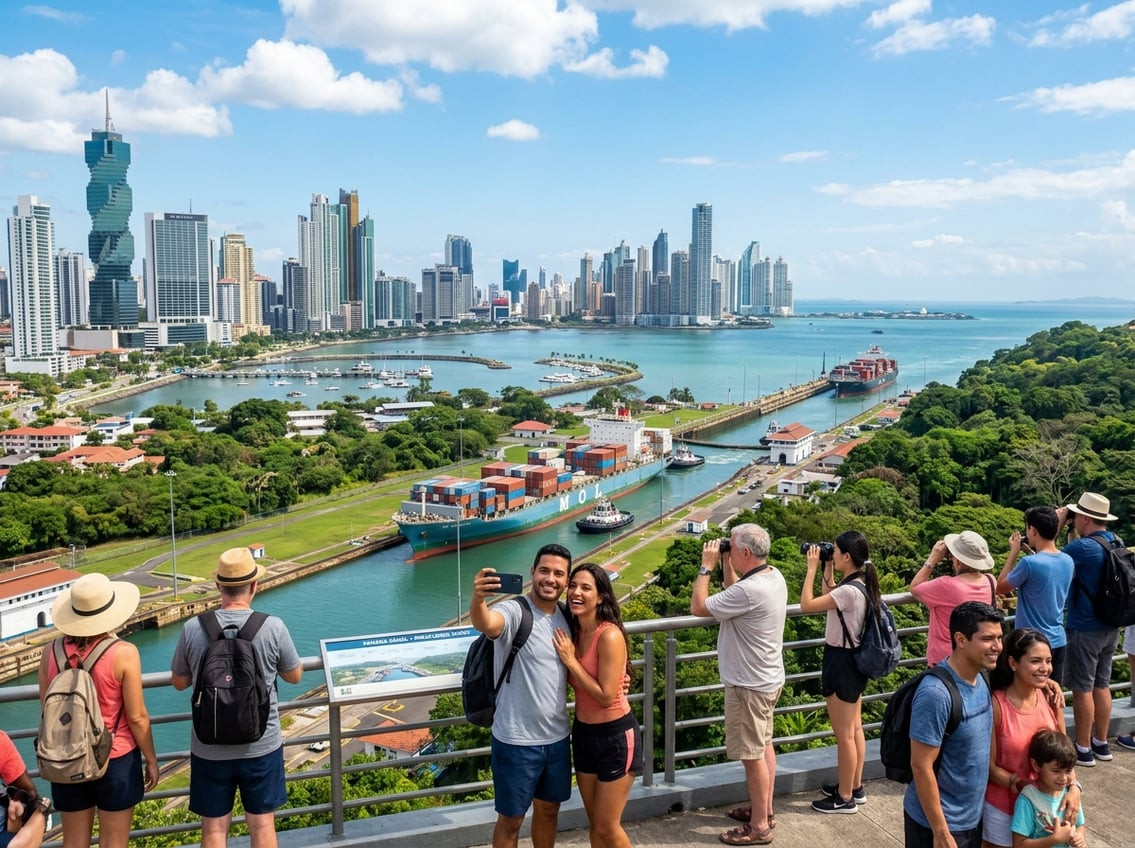
If Panama is on your travel radar, now is the time to look closer. Explore beyond the canal, build an itinerary that includes both the capital and the regions, and discover why Panama is becoming one of the fastest-growing tourism destinations in the world.
Panama is no longer simply a stopover between continents or a destination known mainly for its canal. It is rapidly becoming one of the most dynamic tourism success stories in the Americas. With 999,934 international visitors arriving in the first quarter alone, a remarkable 17.3% increase over the same period last year, the country has entered a new phase of travel growth that is capturing the attention of airlines, investors, hotel brands, and travelers alike. Even more striking, this wave of arrivals has already generated more than B/. 2 billion in economic impact, underlining tourism’s rising importance to the national economy.
Why does this matter? Because Panama offers a rare combination of strengths that many destinations spend decades trying to build: excellent air connectivity, modern roads, cruise and port access, diverse landscapes, stable services, and a growing strategy to spread tourism benefits beyond the capital. For travelers, that means easier access and richer experiences. For local communities, it means new jobs, investment, and greater visibility on the global stage. For the tourism industry, Panama is emerging as a case study in how infrastructure, geography, and smart destination planning can work together.
This momentum is not accidental. Panama has spent years strengthening its position as a regional hub, and now tourism is benefiting from that long-term vision. From the cosmopolitan energy of Panama City to the biodiversity of Boquete, Bocas del Toro, the Pearl Islands, and indigenous cultural regions, the country is reshaping its image from transit point to must-visit destination. The result is a tourism boom with both immediate economic rewards and long-term strategic significance.
Key Facts
- 999,934 international visitors arrived in Panama in the first quarter, marking a 17.3% year-over-year increase.
- The tourism surge has generated more than B/. 2 billion in economic impact, highlighting the sector’s growing contribution to national development.
- Panama’s growth is being fueled by world-class infrastructure and a deliberate effort to decentralize tourism beyond Panama City.
Why Panama’s Tourism Growth Is Accelerating
Panama’s rise as one of the fastest-growing tourism destinations is rooted in a powerful mix of accessibility, product diversity, and policy direction. At the center of this growth is Tocumen International Airport, often called the “Hub of the Americas,” which gives Panama a major competitive edge. The airport connects the country efficiently to North America, South America, Europe, and the Caribbean, making it easier for travelers to choose Panama for both short breaks and longer multi-region itineraries.
Connectivity alone, however, does not create sustained tourism demand. What sets Panama apart is that visitors can land in a modern capital and quickly access beaches, mountains, rainforests, islands, and heritage districts without the logistical barriers common in some neighboring destinations. This ease of movement increases the country’s appeal to a wide range of travelers, including leisure tourists, business travelers extending work trips, cruise passengers, digital nomads, and eco-adventure seekers.
Another major factor is Panama’s evolving brand. For years, the Panama Canal dominated international awareness. While the canal remains one of the country’s most iconic attractions, the tourism narrative has broadened. Today, Panama is promoting itself as a destination where urban sophistication meets biodiversity and culture. That broader message aligns well with current global travel trends, especially demand for authentic experiences, nature-based travel, and destinations that offer more than one type of vacation in a single trip.
Attractions Driving Visitor Interest
Panama’s tourism boom is being supported by a portfolio of attractions that appeal to different market segments. This diversity makes the country resilient and gives it strong year-round tourism potential.
- Panama City: The capital remains the main gateway and a major attraction in its own right. Visitors are drawn to Casco Viejo, modern skyline views, luxury hotels, restaurants, shopping, and the Panama Canal visitor experience.
- The Panama Canal: A global engineering landmark that continues to attract first-time visitors, business travelers, and educational tourism.
- Bocas del Toro: Famous for island scenery, beaches, marine life, and a laid-back Caribbean atmosphere.
- Boquete: Known for coffee tourism, mountain landscapes, cooler weather, hiking, and wellness travel.
- San Blas and Indigenous Regions: These areas offer cultural immersion and pristine coastal experiences that align with the growing demand for meaningful travel.
- Pacific and Caribbean Coasts: Surfing, diving, sport fishing, and resort development continue to attract both regional and international visitors.
This range is important from an industry perspective. Countries that depend too heavily on one tourism product can struggle when traveler preferences shift. Panama’s strength lies in offering city breaks, eco-tourism, beach escapes, cultural travel, meetings and events, and luxury experiences within one relatively compact destination.
Infrastructure as a Competitive Advantage
Infrastructure is often discussed in tourism strategy, but in Panama it is a tangible, visible advantage. The country’s roads, airport systems, urban transport, hospitality developments, and logistics capabilities make travel smoother and more predictable. That matters more than ever in an era when travelers value convenience as much as price.
Panama City’s hotel inventory supports a broad mix of visitors, from premium business travelers to budget-conscious tourists. Convention and event infrastructure also strengthens the country’s position in the meetings, incentives, conferences, and exhibitions segment. This is especially valuable because business tourism often generates higher spending and can create repeat leisure visits.
Outside the capital, improved access to regional destinations is helping diversify tourism flows. Decentralization is a particularly important trend. Instead of concentrating arrivals and spending only in Panama City, national efforts are increasingly focused on distributing tourism benefits to other provinces and communities. This creates a more inclusive growth model while reducing pressure on a single urban center.
Compared with some competing destinations in Central America and the Caribbean, Panama stands out for combining natural attractions with a highly developed transport and service backbone. Travelers who want both adventure and comfort often find this balance appealing. Investors do as well, because reliable infrastructure reduces operational risk and supports higher-quality tourism products.
The Economic Impact of Nearly One Million First-Quarter Visitors
The arrival of 999,934 international visitors in the first quarter is more than a headline figure. It reflects rising confidence in Panama as a destination and translates into direct and indirect economic gains. Hotels, restaurants, transport providers, tour operators, retailers, cultural venues, and local producers all benefit when visitor numbers climb.
The reported B/. 2 billion in economic impact shows how tourism extends beyond traditional hospitality. Increased tourism spending can stimulate construction, agriculture, fisheries, retail, and creative industries. A visitor dining in a local restaurant supports not only the business owner but also farmers, fishers, distributors, and service staff. A tourist booking an eco-lodge supports guides, transport drivers, artisans, and conservation-linked employment. In this way, tourism becomes a multiplier across the economy.
For policymakers, these numbers reinforce the strategic value of tourism as a diversification tool. In a global environment where countries seek resilient growth sectors, tourism offers Panama a way to leverage its geography, connectivity, and cultural assets without relying solely on traditional economic pillars.
Decentralizing Tourism Beyond the Capital
One of the most promising aspects of Panama’s tourism surge is the effort to channel interest beyond Panama City. Decentralization is not just a marketing concept; it is a development strategy. When visitors explore multiple regions, economic benefits become more widely shared, and communities outside the capital gain stronger incentives to preserve culture, improve services, and invest in tourism-related businesses.
This approach also improves the visitor experience. Modern travelers increasingly want depth, not just landmarks. They want to meet local communities, taste regional food, discover lesser-known landscapes, and avoid overcrowded itineraries. Panama is well positioned to meet that demand because it can offer distinct regional identities within a manageable travel distance.
For example, a traveler might begin with urban history and fine dining in Casco Viejo, continue to coffee farms and hiking trails in Boquete, then finish with island relaxation in Bocas del Toro. That kind of multi-stop journey increases average spend, lengthens stays, and creates stronger destination loyalty.
Benefits of Panama’s Tourism Boom
- Job creation: Tourism supports employment in hotels, restaurants, guiding, transport, retail, and cultural industries.
- Regional development: Expanding travel beyond the capital helps distribute income and investment more evenly.
- Stronger global profile: Rising visitor numbers increase Panama’s visibility as a premium and versatile destination.
- Support for local businesses: Small operators, artisans, food producers, and community-based enterprises gain new opportunities.
- Incentive for conservation: Nature-based tourism can strengthen the case for protecting forests, coastlines, and biodiversity.
Challenges That Could Shape the Next Phase
Fast tourism growth brings opportunity, but it also creates pressure. If Panama is to sustain its momentum, it will need to manage several challenges carefully.
First, growth must remain balanced. Overdependence on a few high-traffic areas could lead to congestion, rising costs, and uneven benefits. Second, environmental stewardship will be critical, particularly in coastal and island destinations where ecosystems are sensitive. Third, service quality must keep pace with demand. Visitor expectations rise quickly in fast-growing markets, and consistency in hospitality, transport, cleanliness, safety, and digital information can influence repeat visits.
There is also the issue of destination identity. As Panama grows, it will need to preserve authenticity rather than becoming a generic tourism product. That means protecting historic districts, respecting indigenous communities, and ensuring that development enhances rather than erases local character.
Competition is another factor. The broader region includes established beach destinations, eco-tourism leaders, and luxury island markets. Panama’s advantage lies in its combination of urban sophistication, connectivity, and natural diversity, but maintaining that edge will require continued investment, strong branding, and careful product development.
Industry Trends Supporting Panama’s Rise
Several global travel trends are working in Panama’s favor. Travelers increasingly seek destinations that combine convenience with authenticity. They also want flexible itineraries, outdoor experiences, and culturally rich trips that feel rewarding rather than routine. Panama checks many of these boxes.
Bleisure travel, the blending of business and leisure, is another trend benefiting the country. Because Panama is a major business and logistics hub, many travelers arrive for meetings or events and extend their stay for leisure. This crossover segment is especially valuable because it often delivers higher spending and stronger repeat potential.
Eco-conscious travel is also shaping demand. Panama’s biodiversity, marine environments, and protected areas position it well for travelers who prioritize nature and sustainability. If managed responsibly, this can become one of the country’s strongest long-term differentiators.
Expert Perspective: Why the Momentum Looks Durable
From an industry standpoint, Panama’s growth appears to be supported by structural advantages rather than a short-lived spike. Destinations that grow quickly because of a temporary event often struggle to maintain momentum. Panama’s case is different. Its tourism expansion is tied to infrastructure, air connectivity, diversified attractions, and a broader national strategy to strengthen regional tourism.
That does not mean growth is guaranteed. Sustainable success will depend on execution. But the fundamentals are strong. The country has a clear geographic advantage, a recognizable global brand through the canal and aviation hub, and an increasingly compelling leisure offering. These are the ingredients of a destination with staying power.
Expert Tips for Travelers Planning a Trip to Panama
- Combine city and nature: Panama works best as a multi-experience trip. Pair Panama City with mountains, islands, or beach destinations.
- Look beyond the capital: Some of the most memorable experiences are in regions such as Boquete, Bocas del Toro, and indigenous coastal areas.
- Travel with purpose: Choose local guides, community-based tours, and independent businesses to support regional economies.
- Plan around interests: Panama appeals to food lovers, history enthusiasts, surfers, birdwatchers, and business travelers alike. Build an itinerary that reflects your priorities.
- Book strategically: As Panama tourism grows, popular areas and premium accommodations may fill faster during peak periods.
What the Future Could Look Like
If current trends continue, Panama could strengthen its position as one of Latin America’s most compelling all-around destinations. The next stage of growth will likely depend on how well the country balances volume with value. More visitors are important, but higher-quality experiences, longer stays, and broader regional distribution may matter even more in the long run.
There is also room for Panama to sharpen its appeal in specialized niches. Luxury eco-lodges, cultural tourism, culinary travel, coffee tourism, marine adventures, and wellness retreats all have strong potential. With the right mix of promotion and protection, these segments can help Panama grow without sacrificing what makes it distinctive.
For tourism businesses, the message is clear: Panama is not just rising, it is evolving. For travelers, the country offers the excitement of discovering a destination that still feels fresh while already delivering the convenience and quality many expect. That is a powerful combination, and one that few destinations can claim at this scale.
Conclusion
Panama’s tourism boom is more than a short-term success story. It reflects a destination coming into its own, supported by nearly one million first-quarter visitors, strong economic impact, modern infrastructure, and a vision that reaches beyond the capital. The country’s ability to blend urban energy, natural beauty, cultural depth, and practical accessibility is turning global attention into real momentum.
For investors, travel brands, and policymakers, Panama represents a market with significant upside. For travelers, it offers something even more compelling: variety, ease, and discovery in one destination. As Panama continues to expand its tourism footprint, the opportunity now is to grow wisely, protect its assets, and ensure that more communities share in the benefits.
If Panama is on your travel radar, now is the time to look closer. Explore beyond the canal, build an itinerary that includes both the capital and the regions, and discover why Panama is becoming one of the fastest-growing tourism destinations in the world.
Frequently Asked Questions
What's Your Reaction?
 Like
0
Like
0
 Dislike
0
Dislike
0
 Love
0
Love
0
 Funny
0
Funny
0
 Wow
0
Wow
0
 Sad
0
Sad
0
 Angry
0
Angry
0








Comments (0)