
Royal Caribbean’s Hero of the Seas: 2027 Mega-Ship Guide
Explore Royal Caribbean’s Hero of the Seas, arriving in 2027 with nine pools, new waterslides, 28 dining venues, smart tech, and Caribbean itineraries.

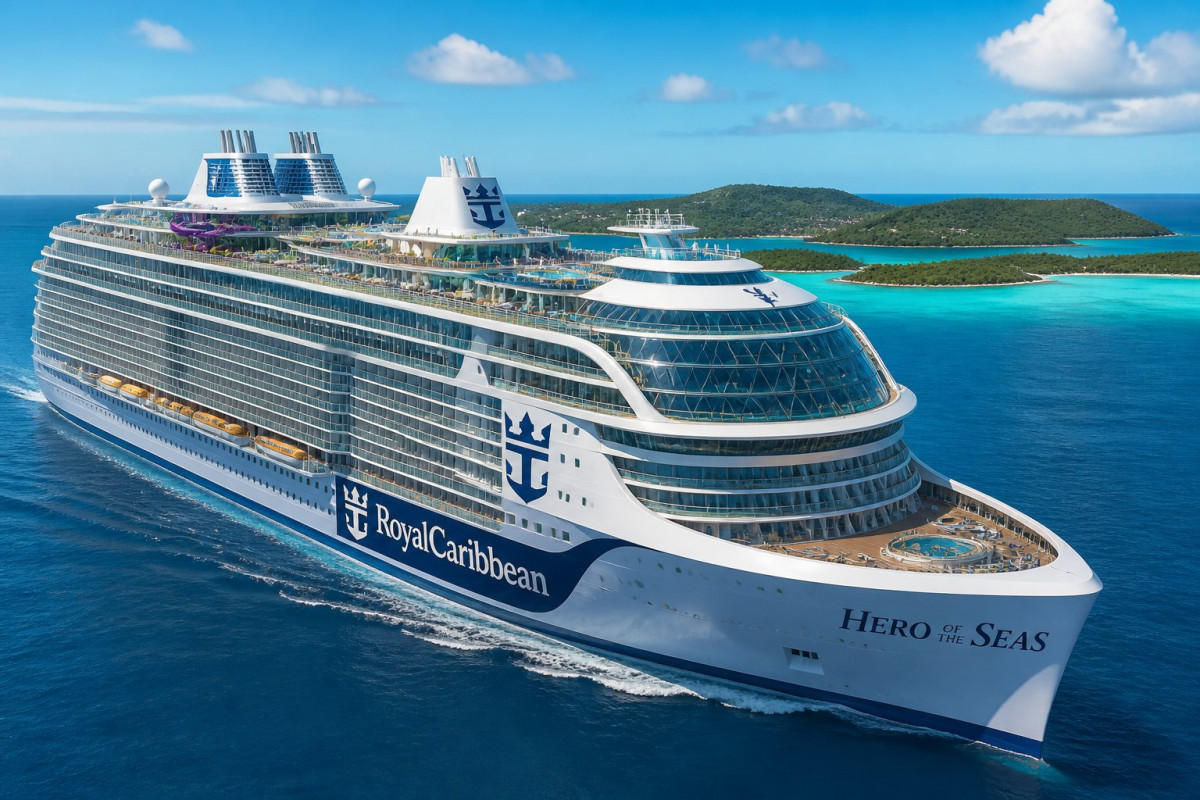
Royal Caribbean is raising the bar again with Hero of the Seas, a new mega-ship set to arrive in summer 2027. In an industry where every launch competes to be bigger, smarter, and more family-friendly than the last, this announcement matters because it signals where cruising is heading next. Travelers are no longer looking only for transportation to tropical ports. They want immersive entertainment, frictionless technology, standout dining, and enough variety onboard to make the ship itself the destination. Hero of the Seas appears designed to meet that demand head-on.
Positioned as a headline addition to Royal Caribbean’s 2027 fleet, Hero of the Seas promises a blend of scale and innovation that will attract families, multigenerational groups, and loyal cruise fans eager to experience the brand’s latest concepts. From nine pools and new waterslides to a record-breaking 28 dining venues and expanded room choices, the ship is being marketed as an all-in-one vacation platform. Sailing from Miami beginning in August 2027, it will offer short getaways and longer Caribbean itineraries that include Perfect Day at CocoCay, one of Royal Caribbean’s strongest selling points in the contemporary cruise market.
For travelers, the ship represents more than another new vessel. For the cruise industry, it reflects several powerful trends: larger ships with neighborhood-style design, stronger investment in onboard technology, more personalized experiences, and a strategic focus on family travel. For Royal Caribbean, Hero of the Seas is also a statement of confidence in continued demand for premium mass-market cruising.
If Hero of the Seas has sparked your interest, now is the time to start researching itineraries, comparing cabin options, and tracking early booking opportunities. The most in-demand launch sailings rarely stay available for long. Explore Royal Caribbean’s 2027 plans, review the latest ship updates, and decide whether this next-generation mega-ship belongs on your travel list.
Key Facts at a Glance
- Arrival and homeport: Hero of the Seas is scheduled to debut in August 2027 and sail from Miami, Florida.
- Major onboard highlights: The ship is expected to feature nine pools, new waterslides, the first funnel raft slide at sea, and a record 28 dining venues.
- Itinerary lineup: Early offerings include 3-night, 5-night, 7-night, and 9-night Caribbean sailings, with Eastern and Western Caribbean routes and visits to Perfect Day at CocoCay.
Why Hero of the Seas Matters in the 2027 Cruise Market
The launch of Hero of the Seas arrives at a pivotal time for cruise lines. Demand for experiential travel continues to grow, and cruise operators are responding by turning ships into floating resorts with attractions that once belonged only to theme parks, luxury hotels, and entertainment districts. Royal Caribbean has been one of the most aggressive innovators in this space, and Hero of the Seas continues that strategy.
What makes this ship especially significant is the way it combines several winning formulas at once. First, it leans into family travel, still one of the strongest segments in leisure tourism. Second, it expands the vacation ecosystem onboard, reducing the need for guests to seek excitement only in port. Third, it reinforces Miami’s role as a major cruise gateway and leverages short and weeklong itineraries to appeal to both first-time cruisers and repeat guests.
In practical terms, Hero of the Seas is likely to compete not just with other cruise ships, but with all-inclusive resorts, Orlando vacations, and land-based family entertainment trips. That broader competition is exactly why onboard innovation matters so much.
The Latest Innovations on Hero of the Seas
Royal Caribbean has built its reputation on introducing attractions that create buzz long before a ship enters service. Hero of the Seas appears ready to continue that pattern with a feature mix centered on thrill, relaxation, dining, and accommodation variety.
Adventure-Focused Attractions
The most talked-about innovation so far is the first funnel raft slide at sea. That alone gives Hero of the Seas a marketable signature attraction, helping it stand out in a crowded field of waterparks at sea. Royal Caribbean understands that one unforgettable feature can drive bookings, especially for families comparing ships online.
Beyond that, the promise of new waterslides suggests the line is not merely repeating previous formulas but updating them for a new generation of guests. On modern mega-ships, thrill attractions do more than entertain children. They create social media moments, differentiate the ship in search results, and increase the perceived value of the fare.
The broader positioning of Hero as “ready for anything, here for everything” indicates a ship designed to offer layered experiences rather than a single focal point. That is increasingly important because today’s cruise passengers have diverse expectations. Teenagers may want adrenaline attractions, parents may prioritize convenience, and grandparents may prefer scenic lounges, dining, and spa time.
Expanded Pool and Chill Spaces
Nine pools is a major headline figure, and it speaks to one of the most common pain points on large ships: crowd distribution. More pool space can improve the onboard experience by giving guests different atmospheres to choose from, whether that means family splash zones, quieter sun decks, or elevated adults-oriented areas.
The mention of “even more chill” suggests Royal Caribbean is balancing high-energy features with spaces for relaxation. This is a smart move. The most successful mega-ships are not nonstop stimulation machines. They are carefully zoned environments where guests can shift between excitement and downtime without feeling overwhelmed.
For travelers, this could translate into:
- Better options for families with children of different ages
- Less competition for loungers and pool access during sea days
- More variety in onboard ambiance
- A stronger sense of personalization despite the ship’s large size
Dining as a Destination
One of the most striking details in the Hero of the Seas announcement is the claim of a record-breaking 28 dining venues. That number matters because food has become one of the biggest differentiators in cruise marketing. Travelers increasingly expect culinary range, dietary flexibility, and memorable themed experiences.
Royal Caribbean appears to be positioning Hero of the Seas as a ship where dining is not an afterthought but a central part of the vacation narrative. The reference to captivating dining and imagery tied to Royal Railway-style experiences suggests immersive or story-driven concepts may play a role.
From an industry perspective, this reflects a larger trend. Cruise lines are investing in specialty restaurants, experiential dining, and venue diversity because guests are willing to spend more on premium food experiences. It also helps appeal to travelers who may have once viewed cruising as limited or repetitive from a culinary standpoint.
For families, having 28 venues can be especially valuable. It means more flexibility for picky eaters, more chances to accommodate allergies or dietary needs, and more opportunities to keep longer sailings feeling fresh.
Entertainment Options and the Experience Economy
Entertainment is no longer just evening theater and live music. On ships like Hero of the Seas, it is part of an all-day, all-ages strategy. While full entertainment programming has not yet been detailed, Royal Caribbean’s branding language points to broad-spectrum offerings that likely blend production shows, immersive experiences, tech-enabled attractions, and family programming.
This matters because the cruise industry increasingly operates within the experience economy. Guests want memorable, shareable moments that feel distinct from everyday life. Whether it is a dramatic stage production, a themed dining event, or a one-of-a-kind slide, the goal is to create emotional highlights that justify the premium attached to newer ships.
Royal Caribbean has historically excelled at this by designing vessels that feel like entertainment districts. If Hero of the Seas follows that model, passengers can expect a schedule that supports both planned activities and spontaneous discovery.
Onboard Technology: Smarter Cruising in 2027
Although the full onboard technology suite has not been publicly outlined, it is reasonable to expect Hero of the Seas to build on Royal Caribbean’s digital ecosystem. Across the cruise sector, technology is becoming central to the guest experience, and by 2027 passengers will expect seamless mobile integration as standard.
Likely areas of onboard technology focus include:
- Mobile app functionality for check-in, reservations, daily schedules, and wayfinding
- Digital planning tools that help guests manage dining, shows, and shore excursions
- Smart stateroom features tied to convenience, energy efficiency, and personalization
- Improved connectivity for messaging, streaming, and remote work needs
- Operational tech that enhances crowd management, service speed, and guest flow
This is more than a convenience issue. Technology shapes guest satisfaction by reducing friction. Long lines, missed reservations, and confusion around schedules can undermine even the most beautiful ship. The best cruise technology fades into the background, making the experience feel easy and intuitive.
For Royal Caribbean, continued investment in onboard technology also supports data-driven personalization. Cruise lines increasingly use guest preference data to improve recommendations, optimize staffing, and fine-tune onboard offerings.
Rooms and Family Accommodation Strategy
The ship’s promotional emphasis on “iconic rooms” suggests accommodation will be another major selling point. Royal Caribbean has been successful in creating family-focused stateroom categories and visually striking suite products, and Hero of the Seas is likely to push that strategy further.
For family travelers, room design can be just as important as attractions. Large ships often win bookings by offering configurations that solve practical problems, such as sleeping arrangements for children, privacy for parents, and enough storage for longer sailings.
Potential strengths in this area may include:
- Expanded family suites or multi-room options
- Creative room themes that enhance the vacation feel for children
- Better separation between premium and standard accommodation tiers
- Layouts designed for multigenerational travel
This reflects another important industry trend: cabins are no longer simply places to sleep. On premium family-focused ships, they are part of the storytelling and value proposition.
Itineraries: Why Miami and the Caribbean Still Win
Hero of the Seas will sail from Miami, one of the most strategically important cruise ports in the world. That choice is no surprise. Miami offers strong airlift, broad consumer recognition, and easy access to the Caribbean, which remains the backbone of the mainstream cruise market.
The announced itinerary mix gives Royal Caribbean flexibility across customer segments:
- 3-night sailings appeal to first-time cruisers, celebratory getaways, and travelers with limited time.
- 5-night itineraries offer a middle ground for guests wanting more than a weekend trip.
- 7-night Eastern and Western Caribbean cruises remain the sweet spot for families and repeat cruisers.
- Holiday sailings and longer voyages can command premium pricing and attract guests seeking special-event travel.
The inclusion of Perfect Day at CocoCay is especially important. Royal Caribbean’s private destination has become a major competitive advantage because it extends the ship’s branded experience ashore. Rather than handing the day over to a third-party port environment, the company can control quality, upsell premium experiences, and reinforce brand consistency.
Pricing shown in early listings suggests Hero of the Seas will sit firmly in the premium end of the mainstream family cruise segment. That is consistent with demand patterns for new ships, where early adopters are typically willing to pay more for first-season sailings.
Benefits of Booking Hero of the Seas
As exciting as the ship sounds, travelers should look at both the advantages and the limitations before booking.
Benefits
- Exceptional variety: With multiple pools, waterslides, dining venues, and entertainment options, the ship should offer strong value for guests who want nonstop choice.
- Family appeal: The design and marketing clearly target families and multigenerational groups, making it easier to satisfy different interests in one trip.
- Newest technology and design: A 2027 ship is likely to deliver modern digital tools, updated cabin concepts, and refined guest flow.
- Strong itinerary appeal: Miami departures and Caribbean routes with CocoCay are easy to understand and highly marketable.
- High entertainment factor: Signature attractions can make the ship memorable even for travelers who have cruised before.
Expert Perspective: What Hero of the Seas Signals for Royal Caribbean
From a strategic standpoint, Hero of the Seas reinforces Royal Caribbean’s confidence in the mega-ship model. Rather than moving toward smaller, simpler vessels, the company is doubling down on scale, spectacle, and segmented experiences. That approach reflects the economics of modern cruising: large ships can generate strong onboard revenue, support extensive entertainment programs, and create enough variety to attract repeat business.
It also shows how cruise lines are refining the family vacation proposition. The message is clear: instead of choosing between a resort, a theme park, and a beach getaway, families can find elements of all three in one product.
At the same time, Hero of the Seas will be watched closely by competitors. Every major launch influences expectations across the market. If Royal Caribbean succeeds in making this ship feel both massive and manageable, it will strengthen the brand’s leadership in the premium contemporary segment.
Expert Tips for Travelers Considering Hero of the Seas
- Book early if you want the best cabin categories. Family suites and specialty room types tend to sell out first on high-profile launches.
- Compare total trip cost, not just the base fare. Factor in gratuities, dining upgrades, Wi-Fi, beverages, and CocoCay add-ons.
- Choose itinerary length based on your travel style. A 3-night sailing is ideal for sampling the ship, while a 7-night itinerary gives you time to enjoy both onboard attractions and ports.
- Use the app and pre-book experiences. On new mega-ships, popular shows and restaurants may fill quickly.
- Think about crowd patterns. Early dining times, embarkation day planning, and strategic sea-day scheduling can improve your experience.
Future Outlook: What Comes Next
Hero of the Seas is likely to shape conversations about what a mainstream cruise vacation should look like by the late 2020s. The combination of scale, technology, themed experiences, and destination integration points toward a future where cruise ships function as highly curated ecosystems rather than simple floating hotels.
If guest response is strong, features introduced on Hero may influence future Royal Caribbean builds and competitor strategies alike. Expect continued growth in immersive attractions, more sophisticated digital tools, and even deeper personalization. Sustainability and operational efficiency will also remain important, even if they are not the headline marketing message. New ships are increasingly expected to balance spectacle with smarter resource use and better systems behind the scenes.
For consumers, that means more choice but also more complexity. The best booking decisions will come from matching the ship’s personality to the traveler’s priorities. Hero of the Seas looks ideal for guests who want energy, variety, and a vacation that feels packed with possibility from morning to night.
Conclusion
Hero of the Seas is shaping up to be one of the most closely watched cruise launches of 2027, and for good reason. Royal Caribbean is combining headline-grabbing attractions, expanded dining, family-focused accommodations, and likely next-generation onboard technology into a product designed to dominate the premium family cruise conversation. Sailing from Miami on Caribbean itineraries that include Perfect Day at CocoCay, the ship is positioned to appeal to both curious first-timers and seasoned cruisers looking for the newest big thing at sea.
While pricing and crowds may be considerations, the overall value proposition is clear: Hero of the Seas aims to deliver a vacation where excitement, convenience, and choice live side by side. In a travel market increasingly driven by experiences, that formula is powerful.
Royal Caribbean’s Hero of the Seas Frequently Asked Questions
What's Your Reaction?
 Like
0
Like
0
 Dislike
0
Dislike
0
 Love
0
Love
0
 Funny
0
Funny
0
 Wow
0
Wow
0
 Sad
0
Sad
0
 Angry
0
Angry
0





Comments (0)