
Norwegian Cruise Line Reports Record Passenger Demand for 2026
Norwegian Cruise Line reports record 2026 demand and $2.5 billion in Q2 revenue, yet trims its outlook amid softer U.S. demand and global tensions.

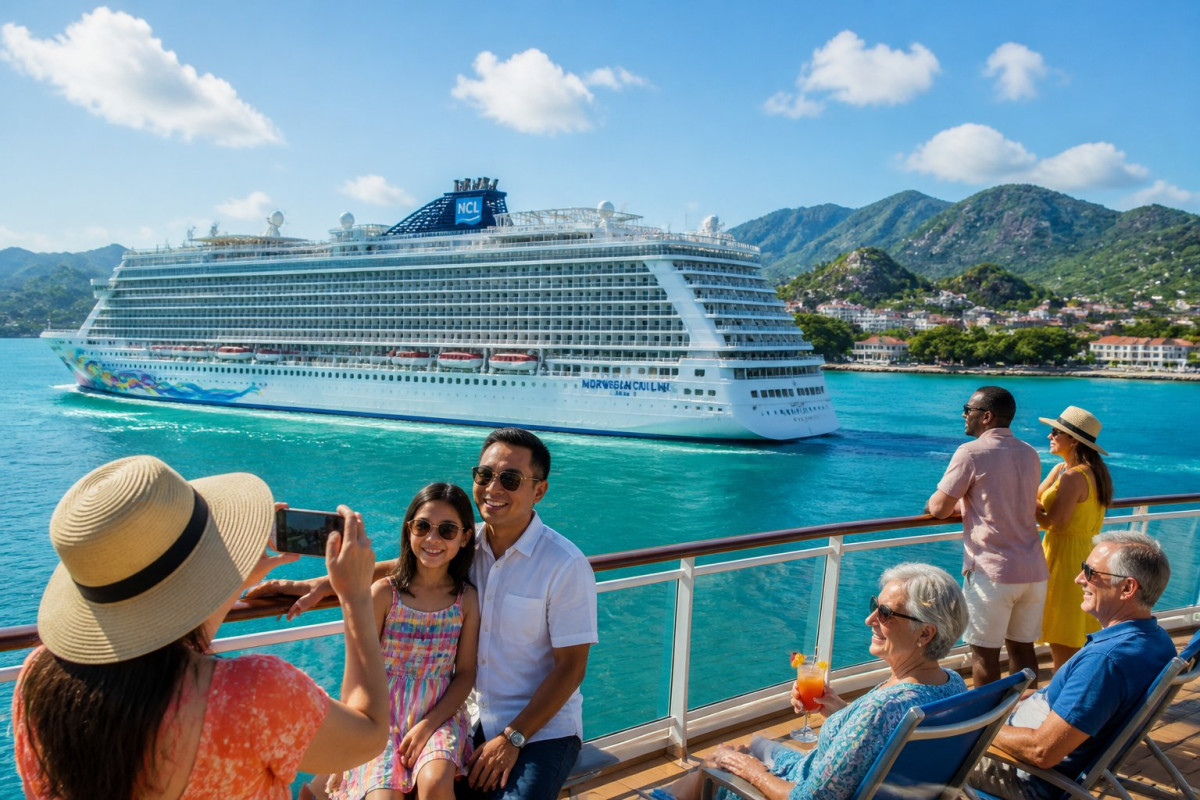
Norwegian Cruise Line Holdings is sending the cruise industry a mixed but highly revealing signal: travelers are still booking cruises at a remarkable pace, yet the business environment around those bookings is becoming more complicated. The company recently reported record-breaking advance ticket sales and $2.5 billion in second-quarter revenue, a strong headline result that confirms cruising remains one of the most resilient segments in leisure travel. At the same time, management downgraded its 2026 financial forecast, citing softening domestic demand and geopolitical headwinds in Europe and the Middle East.
That contrast matters far beyond one earnings report. It highlights a new phase for the cruise sector, where historic passenger volume does not automatically translate into uninterrupted earnings momentum. For investors, travelers, travel advisors, and industry observers, the latest update from Norwegian offers a useful case study in how demand strength, pricing strategy, regional risk, and operating discipline now interact in a more volatile global market.
The core takeaway is clear: Norwegian Cruise Line Reports Record Passenger Demand for 2026, but demand alone is no longer the only metric that matters. Profitability, itinerary management, consumer mix, and geopolitical exposure are increasingly shaping the outlook. As Norwegian navigates these pressures, its performance may offer an early read on the broader direction of the cruise business over the next two years.
The cruise industry has spent the last several years rebuilding from one of the most disruptive periods in modern travel history. In that context, Norwegian Cruise Line Holdings posting record advance ticket sales is a major milestone. It suggests consumers still see cruising as a compelling value proposition, especially when compared with land-based vacations that often come with higher hotel, dining, and transportation costs.
Yet the company’s lowered 2026 forecast reminds readers that travel demand can remain healthy while margins come under pressure. Domestic booking softness, shifting consumer behavior, fuel and operating costs, and geopolitical instability in key regions can all affect financial performance even when ships are full. This is why Norwegian’s latest results deserve close attention: they reveal both the strength and fragility of the current cruise recovery.
Key Facts Section
- Record advance ticket sales: Norwegian said future bookings reached record levels, reinforcing strong long-term interest in cruise vacations and supporting the narrative behind the keyword Norwegian Cruise Line Reports Record Passenger Demand for 2026.
- $2.5 billion in second-quarter revenue: The revenue figure underscores the scale of consumer spending still flowing into the cruise sector despite macroeconomic uncertainty.
- 2026 forecast downgraded: Management reduced its financial outlook due to weaker domestic demand trends and geopolitical challenges affecting travel patterns in Europe and the Middle East.
Main Analysis
At first glance, record advance bookings and a downgraded forecast may appear contradictory. In reality, they reflect two different dimensions of the business. Bookings show that people want to cruise. Forecast revisions show that the company is less certain about how profitably it can convert that demand into earnings over time.
One important factor is the quality of demand. Not all bookings carry the same revenue yield. A cruise line can fill ships through strong premium pricing, or it can stimulate occupancy with discounts, bundled offers, or promotional credits. If domestic demand softens, especially in a key source market like the United States, operators may need to work harder to maintain pricing power. That can pressure margins even if volume remains high.
Norwegian’s latest report suggests exactly this kind of balancing act. The company is benefiting from robust forward demand, but it must also respond to changing booking patterns, consumer sensitivity to price, and regional uncertainty that can affect itinerary attractiveness and onboard spending.
Why record demand still matters
Even with a lowered forecast, the booking strength is not something to dismiss. It indicates that the cruise model continues to resonate with consumers for several reasons:
- Value for money: Cruises package accommodation, meals, entertainment, and transportation into one purchase, often making them easier to budget than multi-city land vacations.
- Broad demographic appeal: Families, retirees, couples, and multigenerational groups continue to find cruise products that fit their preferences and budgets.
- Experience-driven travel: Travelers increasingly prioritize memorable experiences, and cruising offers destination variety with minimal logistical friction.
- Loyalty and repeat business: Cruise lines benefit from high repeat rates, and many customers plan future sailings while still onboard.
For Norwegian, record advance sales may also reflect the strength of its brand portfolio and continued interest in premium and contemporary cruise experiences. While the company faces headwinds, the willingness of consumers to book ahead provides a valuable demand cushion.
What is behind the softer domestic demand?
Softening domestic demand does not necessarily mean a collapse in interest. More often, it points to a moderation in spending behavior. U.S. consumers remain active, but many are becoming more selective. Inflation, higher borrowing costs, political uncertainty, and competing travel options can all influence when and how people book.
Several trends may be contributing:
- Shorter booking windows: Travelers may be delaying decisions in search of better deals or greater flexibility.
- Budget prioritization: Households may still want vacations, but they are trading down in cabin category, trip length, or onboard spending.
- Mixed regional demand: Some departure markets may be performing better than others, making broad domestic trends look uneven.
- Competition across travel segments: Resorts, guided tours, and alternative vacation formats are all competing for the same discretionary dollars.
This matters because domestic travelers remain a crucial customer base for Norwegian and the wider North American cruise market. Any sustained softness can affect pricing strategy, marketing costs, and revenue per passenger.
Geopolitical headwinds and itinerary risk
The reference to geopolitical headwinds in Europe and the Middle East is especially important. Cruise operators depend on destination confidence. Travelers may still book a cruise, but they can become more cautious when a region appears unstable. Even the perception of risk can alter demand, force itinerary changes, or increase operational complexity.
These challenges can affect the business in several ways:
- Itinerary adjustments: Cruise lines may need to reroute ships, replace ports, or shorten calls if security concerns rise.
- Higher costs: Changes in routing can increase fuel consumption, port fees, or logistical expenses.
- Consumer hesitation: Guests may avoid certain regions or wait longer to book, especially for international itineraries.
- Revenue mix disruption: Some destinations drive stronger premium pricing and onboard spending than others.
For Norwegian, Europe has long been an important market, both operationally and commercially. Any instability there can ripple through deployment strategy, marketing plans, and expected yield performance. The Middle East, while a smaller piece of the global cruise map, still influences broader travel sentiment and routing considerations.
Operational changes and industry-wide pressure points
While overall passenger volume across the industry remains at historic highs, Norwegian Cruise Line has had to navigate several operational changes and challenges. These may include fleet deployment decisions, port congestion, staffing dynamics, cost inflation, and the need to continuously refine onboard offerings to meet changing customer expectations.
The modern cruise business is no longer just about filling cabins. Operators must manage a complex ecosystem that includes:
- Fuel and energy costs
- Labor availability and wage pressure
- Food and beverage inflation
- Maintenance and dry dock scheduling
- Technology investments for guest experience
- Environmental compliance and sustainability upgrades
Each of these variables can influence margins. That is why a company can post strong revenue and record bookings while still becoming more cautious about future earnings.
How Norwegian compares with broader cruise industry trends
Norwegian’s situation reflects a broader industry pattern rather than a company-specific anomaly. Cruise demand remains strong across major operators, but the market is becoming more nuanced. Investors and analysts are paying closer attention to yield growth, onboard revenue, debt management, and regional exposure, not just occupancy.
Compared with some larger rivals, Norwegian may face different sensitivities based on its fleet mix, customer profile, and itinerary concentration. Premium positioning can support pricing, but it can also leave a company more exposed if affluent consumers become more selective or if certain international markets weaken. On the other hand, strong brand loyalty and differentiated onboard experiences can help Norwegian defend demand better than more commoditized offerings.
In practical terms, the company’s latest update suggests that the cruise industry is transitioning from a straightforward recovery story into a more mature cycle where execution matters more. The winners will likely be the operators that can preserve pricing, adapt quickly to regional risks, and keep customer satisfaction high.
Benefits for travelers and stakeholders
Despite the forecast downgrade, there are meaningful benefits and positive signals in Norwegian’s latest performance.
Benefits
- Consumers still have confidence in cruising: Record advance bookings indicate the product remains highly attractive.
- Potential for strategic deals: Softer domestic demand may create more promotional opportunities for flexible travelers.
- Improved itinerary innovation: Operational pressure often pushes cruise lines to refresh routes, onboard programming, and destination partnerships.
- Better long-term planning: Strong forward bookings help companies manage capacity and investment more effectively.
- Industry resilience: The ability to generate $2.5 billion in quarterly revenue during a period of uncertainty shows the sector retains substantial pricing and demand power.
Challenges investors and travelers should watch
The main risks are not difficult to identify, but they are important to monitor closely.
- Margin pressure: If pricing softens while costs remain elevated, earnings may lag revenue growth.
- Geopolitical volatility: International itineraries can quickly become more complicated or less appealing.
- Consumer caution: Households may continue to travel but spend less onboard or choose lower-priced options.
- Operational disruption: Port changes, weather events, and supply chain issues can affect both guest experience and profitability.
- Forecast credibility: Once a company lowers outlook expectations, markets often look for further revisions or stronger proof of stabilization.
Expert perspectives on what comes next
From an industry standpoint, Norwegian’s update reinforces a key lesson: demand strength should be analyzed alongside yield quality and regional exposure. Travel experts often note that cruise lines perform best when they combine high occupancy with disciplined pricing and diversified itineraries. If one region weakens, a flexible deployment strategy becomes a competitive advantage.
Another important point is that cruise consumers have become more sophisticated. They compare inclusions, loyalty benefits, cabin value, and destination appeal more carefully than before. That means cruise lines must continue investing in guest experience, digital convenience, and differentiated offerings rather than relying solely on pent-up demand.
For Norwegian, the path forward likely depends on maintaining strong booking momentum while protecting profitability through smart revenue management and agile itinerary planning. If geopolitical conditions stabilize and domestic demand improves, the current caution could prove temporary. If not, execution will become even more critical.
Expert Tips
- Book strategically, not just early: Record demand supports early planning, but travelers should still compare fare bundles, cancellation terms, and included perks before committing.
- Watch itinerary flexibility: If you are considering Europe or nearby regions, review port substitution policies and travel insurance options carefully.
- Track onboard value: A lower cruise fare does not always mean a cheaper vacation if drink packages, specialty dining, and excursions are extra.
- Use demand trends to your advantage: If domestic softness continues, shoulder-season sailings and less crowded embarkation ports may offer better value.
- Follow earnings updates: Investors and travel advisors should monitor future commentary on pricing, onboard spending, and regional deployment for a clearer picture of 2026 performance.
Future outlook
The outlook for Norwegian Cruise Line Holdings is neither purely bullish nor clearly negative. It is more accurate to describe it as selectively optimistic. The company has tangible strengths: record advance ticket sales, strong revenue generation, and participation in an industry that continues to attract travelers in large numbers. But it also faces a more demanding environment in which demand quality, macroeconomic caution, and geopolitical uncertainty can all shape results.
Looking ahead, several developments will determine whether the company regains stronger financial momentum:
- Whether U.S. demand reaccelerates or remains uneven
- How effectively Norwegian preserves pricing without sacrificing occupancy
- Whether European and Middle Eastern tensions ease or intensify
- How well the company controls costs and manages fleet deployment
- Whether onboard spending and premium product uptake remain healthy
If these variables move in a favorable direction, Norwegian could still convert its record booking base into a stronger-than-feared 2026 performance. If pressure persists, the company may need to lean even more heavily on promotional strategy, operational discipline, and itinerary optimization.
Conclusion
If you are planning a cruise, investing in travel stocks, or advising clients on vacation trends, now is the time to look beyond the headline numbers. Study itinerary quality, pricing strategy, regional risk, and booking flexibility before making a decision. Norwegian’s latest update shows that opportunity still exists, but informed choices matter more than ever. Keep tracking cruise industry demand trends, compare offerings carefully, and use the current market to secure the best mix of value, safety, and experience.
Norwegian Cruise Line Holdings has delivered a message that captures the complexity of today’s travel economy. On one hand, the company’s record advance bookings and $2.5 billion in second-quarter revenue confirm that cruising remains a powerful and popular vacation choice. On the other, the reduced 2026 forecast shows that strong demand does not eliminate the impact of softer domestic spending, regional instability, and operational pressure.
For readers searching for insight into why Norwegian Cruise Line Reports Record Passenger Demand for 2026 while still trimming expectations, the answer lies in the difference between volume and value. The ships may be full, but the path to maximizing profit has become more complex. That makes Norwegian a company to watch closely and the cruise sector a space where careful analysis is essential. For travelers, this may create opportunities to book smartly. For investors and industry professionals, it is a reminder that resilience and risk can exist side by side in the same earnings report.
Norwegian Cruise Line Frequently Asked Questions
What's Your Reaction?
 Like
0
Like
0
 Dislike
0
Dislike
0
 Love
0
Love
0
 Funny
0
Funny
0
 Wow
0
Wow
0
 Sad
0
Sad
0
 Angry
0
Angry
0





Comments (0)