
Why Qatar Airways Keeps Winning Luxury Travel Awards
Discover why Qatar Airways remains a leader in luxury travel, from Qsuite innovation to service excellence, network strength, and premium strategy.

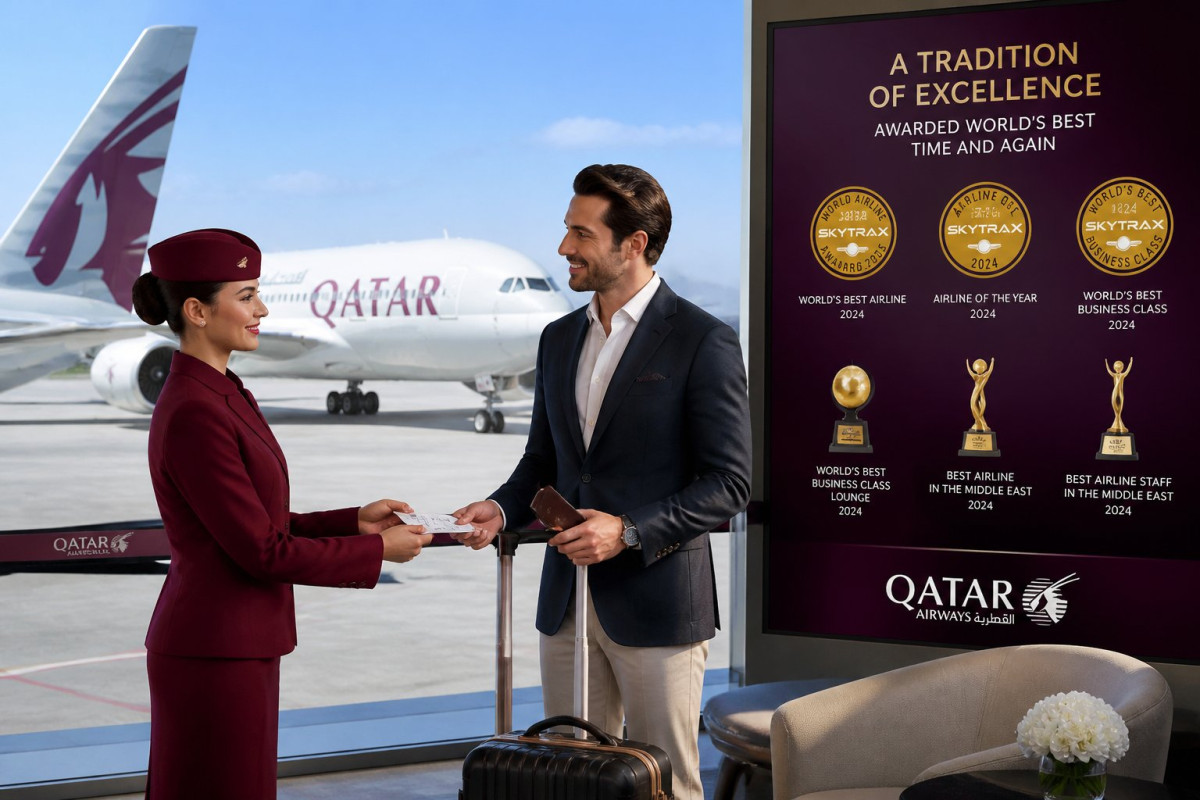
Luxury travel is one of the most competitive segments in global aviation, yet Qatar Airways continues to stand out in a field crowded with prestigious brands, ambitious new cabins, and constantly rising passenger expectations. The airline’s repeated success at major industry awards is not just a marketing story. It reflects a broader strategy built on product consistency, premium service, network reach, and a willingness to invest in details that matter to high-value travelers. At a time when many airlines are still balancing profitability with customer experience, Qatar Airways has managed to preserve an image of refinement while expanding its global influence.
That matters because luxury travel is no longer defined only by champagne in the lounge or lie-flat seats in business class. Today’s premium traveler expects privacy, reliability, digital convenience, culinary quality, thoughtful design, and a seamless airport-to-arrival journey. Awards in this category are increasingly tied to how well an airline delivers the full experience rather than a single standout feature. Qatar Airways has excelled because it understands that modern luxury is both emotional and operational. The airline sells comfort, but it also sells confidence.
For travelers, investors, and industry observers, the airline’s continued recognition offers a useful case study in what defines excellence in aviation today. It also raises a timely question: what exactly keeps Qatar Airways among the world’s best?
Introduction
Qatar Airways has become almost synonymous with premium long-haul flying. Whether the conversation is about the best business class, the most polished airport experience, or the strongest premium service standards, the Doha-based carrier is almost always part of the discussion. Over the past decade, it has collected a steady stream of honors from respected organizations such as Skytrax and other travel industry bodies, reinforcing its reputation in luxury travel.
These awards are not won by brand prestige alone. Judges and passengers typically assess everything from cabin comfort and onboard dining to crew professionalism, punctuality, lounge quality, and route network convenience. Qatar Airways performs well because it treats luxury as a system rather than a slogan. The airline combines hard product innovation, such as its highly regarded Qsuite, with soft product strengths like attentive hospitality and multilingual service. It also benefits from a geographically strategic hub in Doha, allowing efficient connections between Europe, Asia, Africa, Australasia, and the Americas.
In an era when premium travelers compare airlines with unusual precision, Qatar Airways has built a proposition that feels both aspirational and dependable. That combination is rare, and it helps explain why the airline continues winning awards for luxury travel.
Key Facts Section
- Qsuite changed business class expectations: Qatar Airways helped redefine premium flying by introducing enclosed suites, flexible seating arrangements, and stronger privacy features in business class.
- Doha is a strategic global hub: Hamad International Airport supports efficient long-haul connections and strengthens the airline’s appeal for travelers moving between major continents.
- Service consistency drives loyalty: Beyond cabin design, Qatar Airways is repeatedly recognized for polished onboard service, premium lounges, and a reliable end-to-end luxury travel experience.
One of the clearest reasons Qatar Airways remains at the top of luxury travel rankings is that it has invested heavily in the physical experience of flying. In premium aviation, the hard product still matters. Travelers paying top fares want space, privacy, sleep quality, storage, intuitive seat controls, and a cabin that feels modern rather than dated. Qatar Airways understood this early and translated it into a competitive advantage through Qsuite.
When Qsuite launched, it was widely seen as one of the most important business-class innovations in years. The product offered closing doors, customizable configurations for solo travelers, couples, families, and colleagues, and a more residential feel than traditional premium cabins. This mattered because business class had become the new battleground in luxury travel. First class remains important for branding, but business class is where many airlines win or lose premium market share. Qatar Airways recognized that affluent travelers increasingly wanted first-class privacy with business-class practicality.
Yet cabins alone do not win repeated awards. Plenty of airlines debut impressive seats, only to undermine them with inconsistent service or weak operations. Qatar Airways has generally avoided that trap by pairing product design with hospitality. Cabin crew service is one of the airline’s strongest differentiators. Premium passengers often describe the experience as attentive without being intrusive, formal without feeling cold, and efficient without seeming rushed. That balance is difficult to train across a global workforce, but it is central to the airline’s brand identity.
Dining is another area where Qatar Airways reinforces its luxury travel credentials. Premium passengers increasingly judge airlines not just by menus, but by flexibility, presentation, and timing. Dine-on-demand service in business class gives travelers more control over their journey, especially on long-haul flights where sleep and productivity matter as much as indulgence. This aligns with a broader trend in luxury travel: personalization now carries as much value as extravagance.
The airline also benefits from network logic. Doha’s location allows Qatar Airways to connect major global city pairs with relatively efficient routings. For premium travelers, convenience is part of luxury. A superior seat loses some of its appeal if connections are awkward, transit times are long, or airport processes are stressful. Hamad International Airport strengthens the airline’s position by offering a polished transfer environment, premium lounges, quality retail, and a layout designed to reduce friction. In many cases, passengers are evaluating not just Qatar Airways, but the combined Qatar Airways-Doha ecosystem.
This integrated model is especially important as luxury travel expands beyond traditional business demand. Affluent leisure travelers, digital entrepreneurs, high-net-worth families, and experience-led travelers now make up a larger share of premium cabin demand. These passengers often care deeply about aesthetics, wellness, privacy, family-friendly arrangements, and smooth transfers. Qatar Airways is well positioned to serve this mix because its premium proposition is broad rather than narrowly corporate.
Another reason for the airline’s success is brand discipline. Many carriers market luxury, but few maintain a clear and recognizable premium identity across touchpoints. Qatar Airways has consistently emphasized elegance, calm, and elevated service. Its visual branding, lounge design, uniforms, cabin finishes, and advertising all reinforce the same message. In luxury travel, coherence matters. Passengers notice when the promise made in marketing does not match the reality onboard. Qatar Airways has generally kept those elements aligned.
That said, the airline’s position is not unchallenged. Competition in premium aviation has intensified sharply. Singapore Airlines remains a benchmark for service excellence. Emirates continues to dominate global awareness in luxury long-haul travel and invests heavily in onboard glamour and network strength. Etihad has refined its premium strategy after years of restructuring. Turkish Airlines has improved its global connectivity and lounge appeal. Newer and boutique premium concepts are also influencing expectations around personalization and exclusivity.
What keeps Qatar Airways competitive in this environment is not that it is perfect in every category, but that it performs at a very high level across most of them at once. Some rivals may offer more extravagant first class experiences, while others may have stronger home-market loyalty or larger route systems. Qatar Airways distinguishes itself through balance. It delivers a premium experience that feels complete, credible, and repeatable.
Operational resilience also plays a role. Luxury travelers are often less tolerant of disruption because they are paying for certainty as much as comfort. Delays, missed connections, poor baggage handling, or inconsistent customer service can damage a premium reputation quickly. While no global airline is immune from operational challenges, Qatar Airways has worked to position itself as a dependable choice for long-haul international travel. This reliability supports its award-winning image.
There is also a geopolitical and economic dimension to the airline’s success. Backed by a wealthy state with a strong interest in global positioning, Qatar Airways has been able to invest with a long-term perspective. That does not guarantee customer satisfaction, but it does create the financial and strategic conditions needed to compete at the top end of the market. Luxury travel leadership requires sustained spending on cabins, lounges, technology, training, and brand building. Few airlines can maintain that level of commitment over time.
Importantly, Qatar Airways has adapted to changing definitions of luxury. Today’s premium traveler is not impressed by excess alone. They want privacy, wellness, intuitive technology, quality sleep, fast Wi-Fi, and a sense that the airline respects their time. Qatar Airways has responded by emphasizing suite-style seating, curated food and beverage service, upgraded lounges, and a polished digital journey. The winners in modern luxury travel are those that remove stress while preserving delight.
Looking ahead, sustainability will become a more important factor in luxury travel rankings. Affluent travelers are increasingly aware of aviation’s environmental impact, and premium brands will face pressure to demonstrate responsible practices. Airlines that can combine superior service with credible sustainability efforts will have an advantage. Qatar Airways has made public commitments in areas such as fleet modernization and operational efficiency, but this is a field where all premium carriers will need to do more to satisfy evolving expectations.
Benefits for Travelers
- Greater privacy: Features like Qsuite make long-haul travel more restful and productive.
- Stronger consistency: Premium passengers can expect a polished experience across many routes.
- Efficient global connectivity: Doha enables convenient one-stop journeys between major regions.
- High-quality airport experience: Lounges and transit facilities improve the overall journey.
- Flexible onboard service: Dine-on-demand and attentive crew support individual travel preferences.
Expert Tips
- Choose aircraft carefully: Not every route features the same cabin product, so check whether your flight offers Qsuite before booking.
- Use Doha strategically: If you are planning a long-haul trip between Europe, Asia, or Africa, compare routings through Hamad International Airport for comfort and timing.
- Book premium sales early: Qatar Airways often releases competitive business-class fares on key routes, especially during promotional periods.
- Leverage loyalty benefits: Frequent flyers can maximize lounge access, upgrades, and priority services through alliance and partner programs.
- Allow time for the lounge: Part of the airline’s luxury travel appeal lies in the ground experience, so avoid overly tight connections if possible.
Industry Perspective: Why Awards Still Matter
Some travelers dismiss airline awards as branding exercises, but they remain influential in luxury travel. High-end passengers often use awards as a shortcut when comparing unfamiliar carriers, especially on expensive long-haul itineraries. Corporate travel planners, travel advisors, and premium leisure buyers also pay attention to rankings when making recommendations. For Qatar Airways, repeated wins help reinforce trust, justify premium pricing, and strengthen global visibility.
More importantly, awards can reflect a pattern of execution. A single victory may be marketing momentum. Consistent recognition over many years usually signals that an airline has built systems capable of delivering quality at scale. That is where Qatar Airways has excelled. It has translated premium ambition into repeatable service standards, which is far more difficult than launching a flashy new seat.
Challenges and Future Outlook
Maintaining leadership in luxury travel will not be easy. Premium passengers are becoming more discerning, and competitors are investing aggressively in new cabins, upgraded lounges, and digital enhancements. Supply chain delays can slow aircraft retrofits. Labor pressures can affect service standards. Economic uncertainty may also reshape premium demand, especially if corporate travel patterns continue evolving.
Still, Qatar Airways appears well positioned for the next phase of competition. Its strengths align with where luxury aviation is heading: privacy, personalization, design quality, strong hub operations, and a premium brand that feels globally relevant. If the airline continues modernizing its fleet, refreshing cabin products, and strengthening sustainability credentials, it is likely to remain a dominant force in the world’s best airline conversation.
The broader lesson is that luxury travel leadership today depends on integration. Travelers no longer separate the seat from the service, the airport from the airline, or convenience from comfort. Qatar Airways wins because it performs strongly across the whole journey. That is the new standard.
If you are planning an international trip and want to understand what premium air travel should feel like, compare Qatar Airways with other leading carriers on your route, check the aircraft type, and look closely at the full journey, not just the ticket price. For travel advisors, frequent flyers, and luxury travel enthusiasts, following how Qatar Airways evolves offers a useful window into the future of high-end aviation.
Conclusion
Qatar Airways continues winning awards for luxury travel because it has built more than a premium cabin. It has created a coherent, high-performing travel experience shaped by privacy, service, design, connectivity, and consistency. In a market where travelers expect more than surface-level glamour, the airline has shown that true luxury lies in making every stage of the journey feel intentional and refined.
Its success also reflects a wider shift in aviation. The world’s best airlines are no longer judged by prestige alone, but by how effectively they combine innovation with reliability. Qatar Airways has done that better than most. For anyone interested in luxury travel, premium airline strategy, or the future of long-haul flying, it remains one of the most important airlines to watch and one of the most compelling to experience.
Qatar Airways Frequently Asked Questions
What's Your Reaction?
 Like
0
Like
0
 Dislike
0
Dislike
0
 Love
0
Love
0
 Funny
0
Funny
0
 Wow
0
Wow
0
 Sad
0
Sad
0
 Angry
0
Angry
0






Comments (0)