
Best Place to Visit in Central America: Top Destinations, Tips, and Itineraries
Central America’s got world-class beaches, volcanic landscapes, ancient ruins, and vibrant cities, all packed surprisingly close together. The best place depends on whether you’re after wildlife, adventure, culture, or just some downtime.

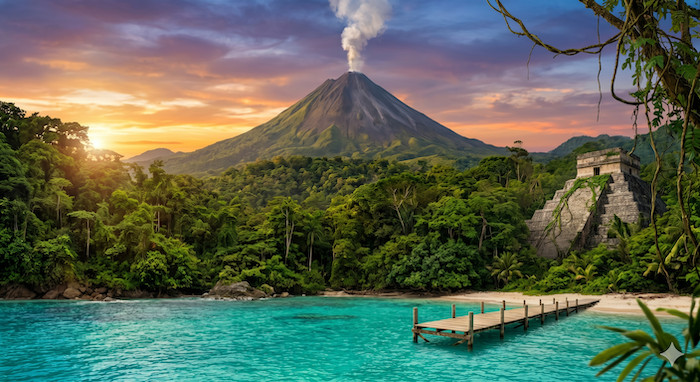
Central America’s got world-class beaches, volcanic landscapes, ancient ruins, and vibrant cities, all packed surprisingly close together. The best place depends on whether you’re after wildlife, adventure, culture, or just some downtime.
If I had to pick just one? Costa Rica’s forests and wildlife are tough to beat, but Guatemala’s Mayan ruins and colonial charm are also tempting.
Think about what matters most: snorkeling and surf, cloud forests, wildlife, or maybe archaeological sites and local festivals. Regional flights are pretty easy, climates are all over the map, and the food scene is richer than you’d expect—mixing a couple spots is both simple and rewarding, especially if you use a custom multi-country itinerary for Central America.
Key Takeaways
-
Pick your destination based on what you want most: nature, history, or beaches.
-
Short flights and overland travel make it easy to experience different landscapes.
-
Food, wildlife, and culture really do vary a lot from country to country.
Top-Rated Destinations
Some places just have that mix: colonial charm, volcano adventures, laid-back beaches, and top-notch snorkeling. Here’s what stands out and how to make the most of a short visit.
Antigua Guatemala
The iconic Santa Catalina Arch with Agua Volcano towering over Antigua's cobblestone streets.
Antigua is tucked in a valley, ringed by volcanoes, and packed with Spanish colonial architecture. Walk the cobblestone streets to see the Santa Catalina Arch, the La Merced Church ruins, and busy markets—all in a compact, walkable center.
Try to get out early for golden light on the ruins and to dodge crowds. A guided walking tour helps with the city’s earthquake history, and you can’t go wrong with a bowl of pepián at a family-run spot. Up for a challenge? The Pacaya Volcano hike is steep but worth it for the lava fields and those wild views of Fuego and Acatenango.
Tourist areas feel pretty safe, but stick to registered taxis or ride-hailing apps at night. Staying in a restored colonial guesthouse puts you close to everything; the official Visit Guatemala site is also useful for planning around events and routes.
Arenal Volcano National Park
Arenal Volcano rising majestically above the Costa Rican jungle and Lake Arenal.
Arenal is probably Costa Rica’s most iconic volcano, surrounded by hot springs and rainforests. Trails here go from quick nature loops to longer ones with views of the cone and Lake Arenal.
Book a guided hike if you want to spot toucans, sloths, or frogs—naturalists are great at pointing out things you’d miss. The hot springs are a must; smaller, local ones feel more peaceful. If you’re craving adventure, zip-lines and waterfall rappelling near La Fortuna are easy to find.
La Fortuna is the main hub, with frequent shuttles from San José and Liberia. Bring a rain jacket and shoes that won’t mind mud, and if you’re still choosing where to stay, this guide to the best hotel in Costa Rica for your trip can help.
Ambergris Caye
Ambergris Caye is Belize’s biggest island, all about the reef, snorkeling, diving, and that relaxed, sandy vibe.You’ll get there by a short flight or water taxi from Belize City, and most folks get around by golf cart.
Don’t skip Hol Chan Marine Reserve and Shark Ray Alley—nurse sharks, rays, and coral gardens are right there. If you’re diving, book early for the Great Blue Hole. San Pedro town is fun for seafood and beachside bars, and Travel Belize is a solid place to confirm reef and island basics before you go.
Be gentle with the reef: don’t touch coral, use reef-safe sunscreen, and listen to your guide. Places to stay range from budget guesthouses to swanky resorts—pick based on whether you want nightlife or peace and quiet.
Bocas del Toro
Bocas del Toro in Panama is a mashup of Caribbean beaches, Afro-Caribbean culture, and an archipelago that’s perfect for island-hopping. Fly into Bocas Town or go bus-plus-boat from Almirante, then hop water taxis to the cays.
Snorkeling at Coral Cay, surfing at Bluff Beach, and exploring Isla Bastimentos National Marine Park are highlights. Definitely save a day for a boat trip—snorkeling, a beach picnic, and those Zapatilla Islands with their crazy-clear water.
Bocas Town has the nightlife—casual bars, live music—so book your stay accordingly. Some islands only take cash, and water taxi schedules can be quirky, so double-check if you’ve got an early departure; for broader context, see why visitors are flocking to Panama.
Natural Wonders and Landscapes
Central America’s outdoors is wild: volcanic lakes, mossy cloud forests, coral beaches, and wildlife you can actually see. Each spot has its own vibe and easy ways to get around.
Lake Atitlán
The stunning volcanic skyline encircling the deep blue waters of Lake Atitlán.
Picture this: lakeshore villages with three volcanoes—San Pedro, Atitlán, Tolimán—towering over a deep blue lake. Panajachel is your main gateway, with boat taxis running to villages like San Juan La Laguna, Santiago Atitlán, and Santa Cruz La Laguna.
Hiking, kayaking, and cultural visits are the big draws. Sunrise hikes up Cerro Tzankujil or Indian Nose are unforgettable, and you can rent kayaks in Panajachel. Textile workshops are a cool way to meet Maya artisans. The elevation is around 1,560 m, so mornings are chilly and the weather can flip fast.
Boats run 6:30 AM–6:30 PM; bring cash for markets and tips. Layer up, wear sturdy shoes, and don’t forget insect repellent if it’s rainy season.
Monteverde Cloud Forest Reserve
A misty walk along a hanging bridge through the dense canopy of Monteverde Cloud Forest.
Monteverde’s cloud forest sits at 1,400–1,700 m, where mist drapes epiphytes, orchids, and mossy trees.Trails range from easy loops to steeper climbs, and the main reserve has well-marked circuits whether you’re solo or with a guide.
Keep an eye out for resplendent quetzals, bellbirds, and swarms of hummingbirds at feeders. Canopy tours,hanging bridges, and night walks show off different wildlife—definitely book a quetzal hike early. Trails get muddy, temps drop, so pack a waterproof jacket and boots with grip.
Buy tickets online in high season, show up early, and think about adding Selvatura Park for ziplines or the butterfly garden. Santa Elena town is the main base for transport, and Visit Costa Rica has helpful countrywide travel planning details.
Cahuita National Park
Cahuita has lowland Caribbean rainforest, white-sand beaches, and a protected coral reef right off the trail.The 8-kilometer path hugs the shore, with tons of snorkeling spots and shaded picnic areas.
Expect to see reef fish, sea urchins, and, if you’re lucky, sea turtles—reef health varies, so stick to official access points. Howler monkeys, capuchins, and sloths are often just off the trail; move quietly and keep your distance.
Pay at the trailhead in Cahuita town; facilities are basic, so bring your own water, reef-safe sunscreen, and sturdy sandals. Please don’t touch the coral or feed the animals—let’s keep the place healthy.
Cultural and Historical Sites
Central America’s history is right there: stone monuments, colonial cities, and ancient ruins that show off both Maya brilliance and Spanish ambition. Expect guided tours, hands-on museum bits, and plenty of chances to wander cobbled streets.
Copán Ruins.
Intricate ancient stone stelae and carvings found at the Copán ruins.
Copán, in western Honduras, is famous for Maya stonework and the crazy-detailed hieroglyphic staircase. You can wander plazas, ballcourts, and altars carved with dynastic history—the main acropolis is worth a slow look for all the worn glyphs.
The onsite museum has original sculptures and glyph rubbings that help make sense of the dates and dynasties. Guides are great at explaining the Maya calendar and the city’s collapse. It’s a lot of walking on uneven ground, so mornings are cooler and less crowded.
Panama Viejo
Panama Viejo, the original Panama City, sits on the east side of the modern city and has the 16th-century cathedral tower and old street foundations. Trails and plaques map out the Spanish layout and tell the story of the 1671 pirate attack that forced the city’s move.
The museum shows off colonial ceramics, tools, and shipwreck bits, making it easier to picture life back then.Combine your visit with a quick trip to Casco Viejo to see how the old ruins compare to the restored plazas and churches, especially in a country often described as Panama: The Bridge of the World. Wear comfy shoes—paths are gravel, and signage is in both English and Spanish.
Granada's Colonial Center
Granada, on Lake Nicaragua, is a burst of color with its colonial buildings, tiled churches, and shady plazas.Check out the 16th-century cathedral, Parque Colón, and the Spanish facades along Calle La Calzada.
Local museums explain Granada’s role in trade and conflict—look for cannonball scars from 19th-century battles. Horse-carriage or walking tours point out architectural details, pottery shops, and artisans at work.Afternoons are livelier, with street markets and softer light for photos.
Adventure and Outdoor Activities
Volcanic hikes, reefs, and surf breaks—Central America’s got it all, no matter your skill level. Here’s how to plan for the best seasons, trail difficulty, and local logistics; it’s also a region that fits naturally on a list of must-visit places for adventure seekers.
Hiking in Boquete
Boquete, in Panama’s highlands, has everything from mellow cloud-forest walks to tough climbs up Volcán Barú. Want sunrise views of both the Pacific and Caribbean? Book a pre-dawn guided hike to Barú’s summit—expect steep, loose rock and 6–8 hours round-trip if you’re fit. For something easier, try the Pipeline Trail or Sendero Los Quetzales, where hummingbirds and cool temps make it a treat. Don’t forget a rain jacket and layers.
Guides are a smart call for Barú because weather changes fast and navigation isn’t always obvious. Bring at least 2 liters of water, and expect altitude near 3,475 m at the top. Trail fees can vary, so double-check with your lodge; if you’re extending your trip, this smart luxury stay guide for Panama can help with hotel planning.
Snorkeling in Belize Barrier Reef
Snorkeling with nurse sharks and rays in the vibrant Belize Barrier Reef.
The Belize Barrier Reef is loaded with shallow coral gardens and deeper channels for both snorkelers and divers. You can snorkel right off Caye Caulker or catch a short boat ride from San Pedro to Hol Chan Marine Reserve and Shark Ray Alley. Nurse sharks, rays, turtles, and dense coral—just use reef-safe sunscreen and avoid touching anything.
Half-day tours are best for calm water and clear visibility, usually 15–25 km offshore. Bring your own mask and snorkel if you can, or rent locally—just check the gear is in good shape. Read reviews, confirm group sizes,and make sure operators follow responsible wildlife rules.
Surfing in Santa Teresa
Santa Teresa, on Costa Rica’s Nicoya Peninsula, is a surf town with breaks for everyone. Playa Carmen is perfect for intermediates, while Santa Teresa and Mal País get punchier on lower tides. Surf schools and board rentals are everywhere; beginners should book a lesson that covers ocean safety and practice drills.
Main surf season is December to April, but the rainy season brings extra swells. The beaches are mostly sandy, but there are some cobbles and strong currents near river mouths. Check surf reports, respect rip warnings, and book a guide if you’re new to the area.
Food and Culinary Experiences
Meals here are more than just fuel—they’re a slice of history and daily life. Think hearty maize dishes, bold spices, and street stalls where you can watch your food being made right in front of you.
Traditional Guatemalan Cuisine
A traditional Guatemalan Pepián stew served with tortillas and rice.
Corn sits right at the heart of Guatemalan food—tortillas and tamales show up at breakfast, lunch, and dinner.Pepián is a must-try: it’s a rich stew, mixing roasted pumpkin seeds, tomatoes, and chicken or beef.
The flavors blend Mayan roots with a Spanish touch. Ever had paches? They’re potato tamales wrapped in banana leaf. Fiambre, on the other hand, is a cold salad served only for All Saints’ Day. Both are a peek into regional traditions and the ceremonial side of food.
If you’re wandering the mercados in Antigua or Quetzaltenango, hunt down chuchitos—these are small, firm tamales with sauce. Grab a cup of atol de elote, a sweet, warm corn drink that’s oddly comforting, especially on a chilly highland morning.
Dining with locals? Expect shared plates and whatever’s fresh—avocados, chiles, and crumbly cheese pop up a lot. Don’t be shy about asking vendors what’s in a dish; recipes can change wildly from one village to the next.
Street Food in San Salvador
San Salvador’s street food scene is all about fast, bold flavors you can eat standing up. Pupusas rule here—thick, handmade corn tortillas stuffed with cheese, beans, or chicharrón.
Order them with curtido (that’s a spicy cabbage slaw) and salsa roja. For lunch, pastelitos (fried turnovers) and panes con pollo (chicken sandwiches) are everywhere near Mercado Central. The bread’s toasted, the chicken is roasted, and pickled veggies give things a nice kick.
If you’re out late, look for carretas or roadside stands dishing up mariscos ceviches and grilled fish. You’ll find the best ones near neighborhoods with lots of coastal migrants.
Bring cash and small bills—most vendors don’t take cards. Watch them cook if you care about freshness. And if you’re not a fan of spicy, just ask for less curtido or salsa.
Wildlife and Eco-Tourism
Wildlife trips here are pretty focused—think species spotting and keeping habitats safe. You might see sea turtles, river otters, monkeys, even jaguar tracks, plus a wild number of birds, all while helping local conservation.
Wildlife Watching in Tortuguero
A peaceful canoe ride through the jungle canals of Tortuguero, searching for wildlife.
Tortuguero, on Costa Rica’s Caribbean coast, is famous for sea turtle nesting from July to October.Leatherbacks, greens, and hawksbills all come ashore here.
Night walks with rangers let you watch nesting and hatchlings, but they’re strict about not disturbing the turtles.Besides turtles, the park’s canals are worth exploring by boat or kayak. You might spot howler monkeys, spider monkeys, otters, and caimans.
Pack light, quiet gear—a small binocular or a 300mm lens works from a boat. It’s humid and leechy, so quick-dry clothes and bug spray are a must.
Community-run lodges or certified operators are the way to go if you want your visit to actually help conservation and local jobs.
Birding in Honduras
Honduras is a bit of a hidden gem for birders. Places like Pico Bonito, Celaque, and Río Plátano Biosphere are home to resplendent quetzals, scarlet macaws, and even the rare Honduran emerald.
Go early in the morning for guided hikes or river trips—your odds of seeing canopy specialists and those sneaky understory birds go way up. Local birding guides are your best bet for getting into private reserves and supporting conservation. Bring a field guide for Mesoamerican species, a notebook, and layers—elevations can swing from hot to chilly fast.
If you’re after something specific, like quetzals or motmots, plan to stay a few days near cloud forests or lowland rainforest. You’ll get more chances that way.
Local Festivals and Events
Festivals here are loud, colorful, and packed. You’ll want to book early, keep your schedule loose, and be respectful when things get religious or rowdy.
Semana Santa in Antigua
Intricate, colorful sawdust 'carpets' created for the Semana Santa processions in Antigua.
Semana Santa in Antigua, Guatemala, is intense—deeply religious, with jaw-dropping street art. Huge processions carry carved wooden floats (andas) through the streets, all under embroidered banners.
The real showstoppers are the sawdust carpets (alfombras)—made from dyed sawdust, flowers, and fruit, laid out in front of churches. They take hours to make, then the processions walk right over them. Expect early mornings, late nights, and the biggest crowds on Holy Thursday and Good Friday.
If you’re going, book your room months ahead. Wear comfy shoes—the cobblestones are no joke. Get there early for a good spot.
Photos are fine, but during solemn moments, keep it low-key and follow whatever the police or signs say. It’s a wild, unforgettable week.
Carnaval de Panamá
Carnaval de Panamá really explodes with parades, wild floats, and concerts every night. Panama City and towns like Las Tablas become almost unrecognizable during the festival.
You’ll spot pageant-style "carnavalitos" just for kids. There are adult comparsas—those dance troupes with costumes that somehow get more elaborate every year.
The crowning of the Carnival Queen is a big deal, and you can feel the excitement in the air. Most of the chaos and magic happens in the four days leading up to Ash Wednesday.
Las Tablas and Panama City put on the most traditional, over-the-top spectacles. The music? Everything from salsa and cumbia to reggaetón, blasting from moving floats that shake the pavement.
Logistics-wise, you’ll want to find flight deals that are worth it and book hotels way ahead of time. Road closures and traffic jams are pretty much guaranteed, so check the official Tourism Panama site as your dates get close.
If you’re hoping to actually see the parades, those official viewing stands are worth it for the sightlines alone.Don’t forget water, sunscreen, and a small bag for your stuff—pickpockets love a crowd, unfortunately.
Best Place to Visit in Central America: Frequently Asked Questions
What's Your Reaction?
 Like
0
Like
0
 Dislike
0
Dislike
0
 Love
0
Love
0
 Funny
0
Funny
0
 Wow
0
Wow
0
 Sad
0
Sad
0
 Angry
0
Angry
0


Comments (0)