
Hilton Expands All-Inclusive Resorts Across the Caribbean
Explore Hilton’s growing all-inclusive Caribbean portfolio, new destinations, guest experiences, market trends, and what travelers can expect next.

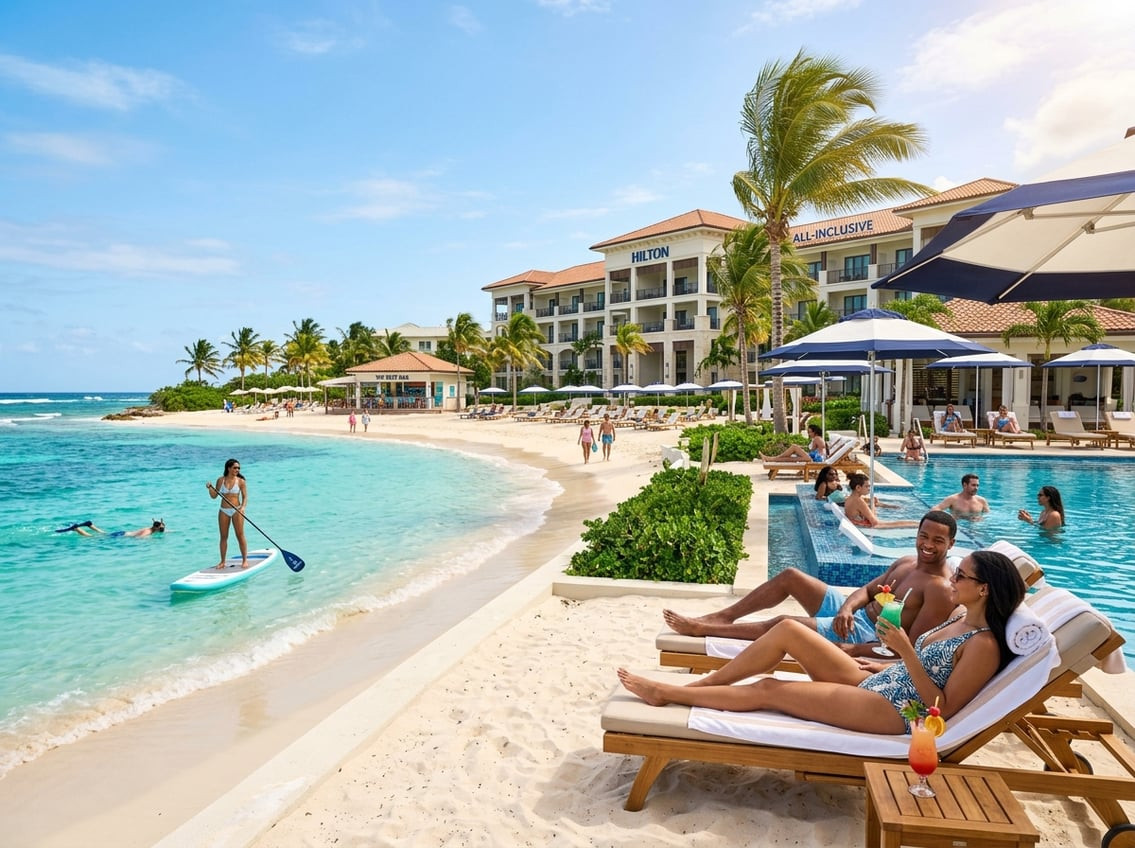
Hilton is accelerating its push into one of the most competitive and fast-growing segments in global hospitality: all-inclusive travel in the Caribbean. For travelers, that means more choice, broader price points, and easier access to vacation experiences that combine convenience with premium amenities. For the industry, it signals that one of the world’s most influential hotel companies sees long-term opportunity in a region where demand for sun, sea, and seamless guest experiences remains remarkably resilient.
The expansion matters because all-inclusive travel has evolved far beyond its old image of standard buffets and one-size-fits-all packages. Today’s guests want curated dining, local culture, wellness programming, family-friendly activities, adults-only escapes, and loyalty benefits that reward repeat stays. Hilton’s growing Caribbean all-inclusive portfolio reflects that shift. The brand is not simply adding rooms; it is building a more diversified vacation ecosystem designed to appeal to families, couples, groups, and loyalty members looking for trusted quality in high-demand destinations.
As Hilton expands across the Caribbean, the move also highlights broader changes in travel behavior. Vacationers increasingly value predictability in pricing, especially during periods of economic uncertainty. At the same time, they are unwilling to compromise on experience. That combination is helping fuel demand for upscale and luxury all-inclusive resorts where accommodations, food, beverages, entertainment, and selected activities are bundled into one easier-to-manage cost. Hilton’s strategy positions the company to capture that demand while strengthening its presence in a region central to leisure tourism.
For travelers researching their next escape, the question is no longer whether all-inclusive travel is worth considering. The more relevant question is which brand can deliver consistency, memorable service, and destination-rich experiences. Hilton is making a strong case that it intends to be one of the leading answers.
Hilton’s Caribbean expansion arrives at a time when the hospitality sector is being reshaped by changing guest expectations, rising competition, and the growing influence of loyalty-driven booking behavior. The Caribbean remains one of the world’s most desirable vacation regions, drawing visitors with its beaches, warm climate, diverse island cultures, and strong air connectivity from North America and Europe. By expanding its all-inclusive portfolio here, Hilton is aligning itself with a travel model that continues to gain momentum across demographics.
This strategy is significant for several reasons. First, it allows Hilton to compete more directly with established all-inclusive specialists and major international hotel groups that have already invested heavily in the Caribbean. Second, it gives Hilton Honors members more ways to earn and redeem points in leisure destinations, an increasingly important factor for travelers seeking value. Third, it enables the brand to serve a wider range of guests, from families wanting stress-free vacations to couples seeking upscale beachfront retreats.
The result is a stronger regional footprint that goes beyond traditional resort expansion. Hilton is tapping into a lifestyle shift in travel: guests want simplicity, but they also want authenticity, design, culinary quality, and flexibility. The Caribbean offers an ideal stage for that balance, and Hilton appears determined to deepen its role there.
Key Facts
- Hilton is expanding in a high-growth segment: All-inclusive resorts continue to attract strong demand as travelers seek convenience, transparent pricing, and premium experiences in one package.
- The Caribbean is a strategic priority: The region combines year-round leisure appeal, strong international visitor demand, and a well-established resort infrastructure.
- Guest expectations are changing: Modern all-inclusive travelers increasingly want elevated dining, wellness, family programming, local experiences, and loyalty program benefits alongside beachfront relaxation.
Main Analysis
Hilton’s expansion across the Caribbean should be viewed through both a consumer lens and an industry lens. On the consumer side, the appeal is straightforward. Travelers know the Hilton name, associate it with global standards, and often already participate in Hilton Honors. When that familiarity is paired with an all-inclusive format, the booking decision becomes easier. Guests can choose a destination they love while reducing uncertainty around food, drinks, and entertainment costs.
On the industry side, Hilton’s move reflects a broader race among hospitality giants to secure market share in resort-heavy regions where leisure demand remains strong. The Caribbean is especially attractive because it supports multiple traveler segments at once. Luxury seekers, destination wedding groups, multigenerational families, honeymooners, and remote workers all contribute to the region’s tourism economy. A diversified all-inclusive portfolio allows Hilton to target these audiences more effectively.
One of the most important aspects of this strategy is destination breadth. The Caribbean is not a single market but a collection of highly differentiated island experiences. A guest considering the Dominican Republic may be looking for a large-scale resort with extensive amenities and broad family appeal. Someone eyeing Jamaica may prioritize music, cuisine, and a vibrant cultural atmosphere. A stay in Mexico’s Caribbean-facing resort zones, while not technically island-based in every case, may appeal to travelers seeking easier air access and a wide variety of resort styles. Hilton’s expansion benefits from recognizing that each destination has distinct demand drivers.
That matters because the modern all-inclusive guest is more selective than in the past. Travelers compare not just rates, but also restaurant quality, room design, beach access, kids’ clubs, spa offerings, airport transfer convenience, and excursion opportunities. They read reviews closely and often make decisions based on perceived experience value rather than headline price alone. Hilton’s reputation gives it an advantage, but the company still needs each resort to deliver on local relevance and service consistency.
Another critical factor is loyalty integration. Hotel loyalty programs have become central to travel decision-making, especially among frequent travelers and affluent consumers. Hilton Honors can be a powerful differentiator in the all-inclusive space because it offers members a familiar booking ecosystem and the possibility of point redemptions in aspirational beach destinations. In a market where many travelers hold co-branded credit cards or actively collect rewards, that can influence where they choose to stay.
Hilton’s Caribbean growth also reflects the premiumization of all-inclusive travel. The sector has matured considerably. Guests now expect specialty restaurants, craft cocktails, upgraded room categories, wellness classes, family concierge services, and immersive destination experiences. The strongest operators understand that convenience alone is no longer enough. The package must feel elevated. Hilton’s brand positioning suggests it is aiming to compete not only on scale, but also on quality and guest trust.
There is also a revenue strategy behind the expansion. All-inclusive resorts can create stronger control over guest spending by keeping more of the vacation wallet on property. While the package includes many core services, resorts can still generate incremental revenue through premium dining, spa treatments, cabanas, excursions, upgraded accommodations, and private experiences. For a global company like Hilton, that model can be attractive when paired with strong occupancy and brand-driven direct bookings.
Still, expansion brings challenges. The Caribbean hospitality market is highly competitive, labor-intensive, and vulnerable to external pressures such as weather events, airlift fluctuations, and economic shifts in source markets. Building or converting resorts to meet Hilton standards requires capital, operational discipline, and local market understanding. Service expectations are particularly high in the all-inclusive segment because guests spend most of their time on property. A weak food program, inconsistent housekeeping, or poor activity planning can quickly affect satisfaction scores.
Sustainability is another issue that will shape long-term success. Caribbean destinations face environmental pressures related to coastal development, water use, waste management, and climate resilience. Travelers are increasingly aware of these concerns, and many expect major hotel brands to demonstrate responsible practices. Hilton’s expansion will be judged not only by how many resorts it adds, but by how effectively those properties support local communities, reduce environmental impact, and protect the natural assets that make the Caribbean so attractive in the first place.
From a traveler’s perspective, the most exciting part of Hilton’s expansion is the possibility of more tailored experiences. Not every guest wants the same kind of Caribbean vacation. Some want a lively social atmosphere with multiple pools and nightly entertainment. Others want a quieter, wellness-focused stay with spa treatments, yoga, and refined dining. Families may prioritize water parks, supervised children’s activities, and spacious suites. Couples may focus on privacy, beachfront dining, and adults-oriented programming. A broader Hilton all-inclusive portfolio increases the likelihood that guests can find a product aligned with their travel style.
Compared with independent resorts, Hilton offers the advantage of brand familiarity and systemwide booking convenience. Compared with some competing global hotel groups, its opportunity lies in combining broad recognition with a growing leisure identity. Historically, many travelers associated Hilton strongly with urban hotels, business travel, and full-service properties. Expanding in Caribbean all-inclusive resorts helps rebalance that perception and strengthens Hilton’s relevance in the vacation market.
There is also a broader economic story beneath the expansion. Resort development can support local employment, supplier networks, transportation services, and destination visibility. When executed well, new or rebranded properties can help strengthen tourism ecosystems and attract higher-spending visitors. However, the benefits depend heavily on how deeply resorts engage local businesses, hire and train local talent, and incorporate cultural elements into the guest experience. Travelers increasingly notice whether a resort feels connected to its destination or isolated from it.
That is why guest experience design will be essential. The strongest Caribbean all-inclusive resorts do not rely solely on beach access and unlimited drinks. They create a sense of place. That can include regionally inspired menus, local music, guided cultural activities, partnerships with artisans, and excursions that go beyond generic sightseeing. If Hilton can scale those elements effectively, it will be better positioned to stand out in a crowded market.
Benefits for Travelers and the Industry
Hilton’s Caribbean all-inclusive expansion offers advantages that extend beyond simple inventory growth.
- More destination choice: Travelers can select from a wider range of islands and resort styles under a trusted global brand.
- Predictable vacation budgeting: All-inclusive pricing helps reduce surprise expenses and simplifies trip planning.
- Loyalty value: Hilton Honors members gain additional opportunities to earn and redeem points in aspirational leisure markets.
- Broader guest appeal: Families, couples, groups, and luxury travelers can find more tailored experiences.
- Competitive pressure: Expanded brand participation can push the market toward better service, stronger amenities, and more innovation.
- Regional economic impact: New resort activity can support jobs, tourism revenue, and supplier partnerships in Caribbean destinations.
Expert Tips for Booking a Hilton All-Inclusive Caribbean Stay
- Compare inclusions carefully. Not every all-inclusive package covers the same amenities. Review what is included in dining, premium beverages, activities, airport transfers, and kids’ programming.
- Use Hilton Honors strategically. Check whether points redemptions, elite benefits, or member rates improve the total value of your stay.
- Match the resort to your travel style. A family-focused property may not suit couples seeking tranquility, while an adults-only resort may not fit multigenerational groups.
- Look beyond the room rate. Consider flight access, transfer times, excursion options, and peak-season pricing before booking.
- Research the destination, not just the brand. The Caribbean offers diverse cultural and geographic experiences. Choose an island that aligns with your priorities, whether that is nightlife, diving, cuisine, or seclusion.
- Check sustainability and local engagement. Resorts that invest in environmental practices and community partnerships often deliver a more meaningful destination experience.
I
ndustry Trends Shaping Hilton’s Expansion
Several trends help explain why Hilton is investing more aggressively in the Caribbean all-inclusive market.
First, leisure travel remains a strategic growth engine. Even as business travel continues to evolve, leisure demand has shown remarkable strength, particularly for resort destinations with broad international appeal.
Second, travelers are prioritizing convenience. Bundled pricing reduces decision fatigue and makes it easier to manage vacation spending, especially for families and groups.
Third, the luxury all-inclusive segment is expanding. Higher-end travelers increasingly accept the all-inclusive model when it includes premium dining, upscale design, wellness offerings, and personalized service.
Fourth, brand trust matters more than ever. In a crowded digital marketplace filled with reviews, promotions, and booking options, many travelers gravitate toward names they recognize.
Finally, loyalty ecosystems are influencing resort bookings. Guests who already interact with a hotel company through city stays or credit card partnerships are more likely to remain within that brand family for vacations.
Challenges Hilton Will Need to Navigate
While the growth opportunity is clear, success is not guaranteed. Hilton must maintain service consistency across properties that may vary in ownership structure, destination context, and guest mix. It must also ensure that expansion does not dilute brand standards. In the all-inclusive sector, guest disappointment can spread quickly through online reviews and social media.
Operationally, staffing remains a major concern across hospitality. Caribbean resorts rely on strong frontline service, and retaining skilled employees is essential to delivering the polished experience guests expect from Hilton. Supply chain reliability, food and beverage quality, and maintenance standards also play outsized roles in guest satisfaction.
There is also the challenge of differentiation. Many Caribbean resorts offer pools, beaches, multiple restaurants, and entertainment. To stand out, Hilton needs to make each property feel distinct while still recognizable within the broader brand family. That balance between consistency and individuality is one of the hardest tasks in resort hospitality.
Future Outlook
The outlook for Hilton’s Caribbean all-inclusive strategy appears promising, particularly if the company continues to align product development with evolving traveler expectations. Demand for high-quality, easy-to-book resort vacations is unlikely to disappear. If anything, the segment may become even more competitive as travelers seek dependable leisure experiences that combine value with comfort.
Future growth will likely depend on how effectively Hilton expands into new destinations, refreshes existing properties, and deepens experiential offerings. Wellness, culinary programming, family customization, and destination immersion are all areas where leading all-inclusive brands can gain an edge. Technology will also play a role, from mobile check-in and personalized offers to smarter use of guest data for on-property service.
In the long term, sustainability and resilience may become defining differentiators. Resorts that invest in energy efficiency, water stewardship, waste reduction, and climate adaptation will be better positioned both operationally and reputationally. Travelers are paying closer attention, and large brands are under growing pressure to demonstrate measurable progress.
For Hilton, the opportunity is not just to add more Caribbean resorts. It is to shape what the next generation of all-inclusive travel looks like under a globally recognized hospitality name.
If Hilton’s Caribbean all-inclusive portfolio has sparked ideas for your next getaway, now is the time to start comparing destinations, resort styles, and loyalty benefits. Review what each property includes, think about the kind of experience you want, and explore whether a Hilton all-inclusive stay aligns with your travel goals. Whether you are planning a family escape, a romantic retreat, or a points-powered beach vacation, informed research can help you book with more confidence and get more value from every night away.
Conclusion
Hilton’s expansion across the Caribbean all-inclusive market is more than a portfolio update. It is a clear statement about where leisure travel is headed and what guests increasingly expect from modern resort experiences. Travelers want simplicity, but they also want quality, flexibility, and a stronger sense of destination. By growing its presence in the Caribbean, Hilton is positioning itself at the intersection of those priorities.
The company’s success will depend on execution: delivering consistent service, meaningful local experiences, strong loyalty value, and sustainable growth in a region where competition is intense and guest expectations are high. If Hilton gets that formula right, its Caribbean all-inclusive portfolio could become a major force in shaping the next chapter of resort travel.
For readers considering their options, the takeaway is simple: Hilton is becoming an increasingly important name in Caribbean all-inclusive vacations. Keep exploring the destinations, compare the experiences, and look closely at what each resort offers. The next generation of beach getaways is already taking shape, and Hilton intends to be a central part of it.
Frequently Asked Questions
What's Your Reaction?
 Like
0
Like
0
 Dislike
0
Dislike
0
 Love
0
Love
0
 Funny
0
Funny
0
 Wow
0
Wow
0
 Sad
0
Sad
0
 Angry
0
Angry
0







Comments (0)