
Emirates Unveils Next-Generation Premium Economy
Explore Emirates’ next-generation Premium Economy, from wider seats and upgraded dining to fleet expansion, routes, amenities, and booking tips.

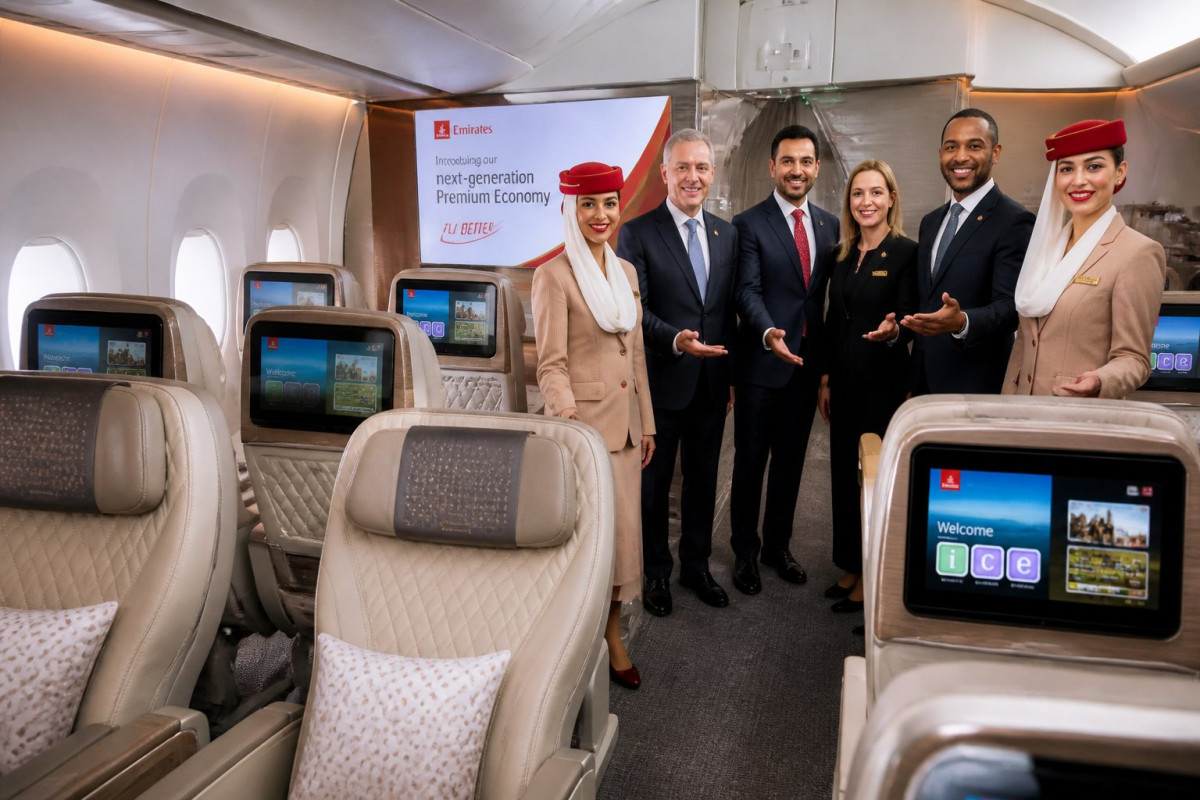
Airlines have spent years trying to bridge the gap between standard economy and the high price of business class, but few products have generated as much attention as the latest move from Dubai-based carrier Emirates. The headline is clear: Emirates Unveils Next-Generation Premium Economy Experience at a time when travelers are demanding more comfort, better value, and a more polished journey without the full premium-cabin fare. That matters not only for leisure passengers looking to upgrade long-haul trips, but also for small-business travelers, families, and corporate buyers rethinking travel budgets.
Premium economy has become one of the most strategically important cabins in global aviation. For airlines, it offers stronger margins than economy and a broader customer base than business class. For passengers, it promises meaningful upgrades where they count most: legroom, seat comfort, dining quality, entertainment, and overall cabin atmosphere. Emirates, long known for its luxury positioning, is now applying that brand promise to a segment that has become fiercely competitive.
Its revamped Premium Economy cabin combines upscale design with practical comfort. Cream leather seats, polished wood finishes, enhanced regional dining on Royal Doulton china, upgraded entertainment, and accessible power ports are all designed to create a more refined long-haul experience. At the same time, the airline is expanding the product across retrofitted Airbus A380s, Boeing 777s, and new Airbus A350 aircraft, widening access across major international routes.
For travelers evaluating whether the upgrade is worth it, and for industry watchers tracking how full-service carriers are evolving, Emirates’ latest premium economy proposition offers a revealing look at where long-haul travel is heading next.
Key Facts at a Glance
- Seat comfort: Emirates Premium Economy features cream leather seats with up to 40 inches of pitch, 8 inches of recline, cushioned leg rests, and 6-way adjustable headrests.
- Cabin experience: Passengers enjoy a dedicated cabin, multi-course dining on Royal Doulton china, Chandon sparkling wine, premium beverages, and a 13.3-inch HD screen with Bluetooth pairing.
- Network growth: The product is expanding across retrofitted A380s, Boeing 777s, and new A350s, serving destinations including New York JFK, Zurich, Montreal, and Copenhagen.
Why Emirates’ Premium Economy Launch Matters
Premium economy is no longer a niche add-on. It has become a key battleground for global airlines competing for travelers who want more than economy but cannot always justify business class pricing. In many markets, this includes affluent leisure travelers, long-haul vacationers, remote workers, and companies with tighter travel policies.
Emirates enters this space with a strong brand advantage. The airline has built its reputation on onboard service, global connectivity through Dubai, and a premium feel across much of its operation. Yet until recently, it had less presence in premium economy than several international rivals. That made this product rollout especially notable. It is not simply a cabin refresh; it is a strategic response to changing traveler expectations and a broader industry shift toward segmented premium offerings.
In practical terms, the introduction of this cabin gives Emirates another way to capture customers who may have been choosing competitors offering a more comfortable middle ground. It also allows the airline to better monetize long-haul routes by offering a clearer ladder of options: economy, premium economy, business, and first.
Inside the Cabin: A More Refined Way to Fly
The most immediate difference in Emirates Premium Economy is the cabin environment itself. Rather than feeling like a slightly improved economy section, the space is designed to feel distinct. The dedicated, upscale cabin uses a softer color palette, premium materials, and a layout that prioritizes comfort and visual calm.
Seats are arranged in a 2-4-2 configuration on most aircraft, or 2-3-2 on A380 upper decks, reducing the dense feel often associated with long-haul economy cabins. This matters more than it may first appear. Fewer middle seats and a more spacious layout can materially improve the passenger experience, especially on overnight flights or journeys exceeding eight hours.
The seats themselves are one of the strongest selling points. Emirates says they offer up to 40 inches of pitch, which represents a substantial increase over standard economy. Combined with an 8-inch recline, cushioned leg rests, and 6-way adjustable headrests, the product is clearly designed with sleep, posture, and long-haul endurance in mind.
Other details, such as polished wood dining tables and wide side consoles for personal items, reinforce the sense that this is a cabin built not just for transportation, but for comfort and usability. Travelers who work in flight, carry multiple devices, or simply want space for essentials like headphones, glasses, and water bottles are likely to appreciate these touches.
Dining That Moves Beyond Standard Airline Upgrades
Food and beverage service is another area where Emirates is trying to distinguish its offer. Rather than a modest improvement over economy meal trays, the airline is positioning Premium Economy as a more elevated dining experience.
Passengers can expect generous multi-course meals with regional influences, served on Royal Doulton china. That detail may seem cosmetic, but presentation matters in premium travel. Real tableware changes the rhythm of the meal, making it feel more intentional and less transactional. It aligns with the expectations of travelers paying extra for a noticeably better experience.
The drinks list also helps define the cabin’s value. Premium Economy customers are offered Chandon sparkling wine, premium liqueurs, and a selection of vintage wines drawn from the Business Class list. In a market where many premium economy products still offer only lightly enhanced beverage service, this is a meaningful differentiator.
For travelers, the result is not just better food, but a more relaxed and premium onboard atmosphere. For Emirates, it is another way to preserve brand consistency across cabins while justifying the fare premium.
Next-Generation Entertainment and Practical Technology
Long-haul comfort today is about more than seat dimensions. Entertainment quality, device compatibility, and charging convenience now shape passenger satisfaction almost as much as legroom. Emirates appears to understand that clearly.
The upgraded ice in-flight entertainment system includes a 13.3-inch HD screen, which is larger than what many travelers will find in economy and even some competing premium economy cabins. Screen size matters on long flights, especially for passengers watching films, streaming TV series, or traveling with children.
One of the most passenger-friendly additions is Bluetooth headphone pairing. That small feature solves a common frustration for modern travelers who increasingly rely on wireless audio devices. Instead of juggling airline adapters or switching to wired backup headphones, passengers can connect more seamlessly to the entertainment system.
Power access is equally important. Each seat includes USB-C and USB-A charging ports, giving travelers flexibility across newer and older devices. In an era when passengers often carry a phone, tablet, smartwatch, and laptop, accessible charging is no longer a luxury. It is a baseline expectation for a serious premium product.
Fleet Availability and Route Expansion
One of the biggest questions around any new cabin product is availability. A strong onboard experience matters only if passengers can actually book it on the routes they need. Emirates’ strategy here is notable because it is not limiting Premium Economy to a small showcase fleet.
The product is being expanded across retrofitted Airbus A380s, Boeing 777s, and the airline’s new Airbus A350s. That gives Emirates a broader platform than a single-aircraft launch and signals that Premium Economy is becoming a core part of its long-term network strategy.
Destinations already associated with the rollout span multiple continents, including New York JFK, Zurich, Montreal, and Copenhagen, alongside other points across the Americas, Europe, Africa, and Asia. This multi-region deployment is important for two reasons. First, it increases visibility among high-value long-haul travelers. Second, it supports connecting traffic through Dubai, where Emirates can sell a more consistent experience across major intercontinental itineraries.
Still, passengers should check aircraft type carefully when booking. As with many fleet retrofits, availability may vary by route, date, and frequency. A route may feature Premium Economy on some departures and not others, depending on aircraft assignment.
How Emirates Compares in the Premium Economy Race
Emirates is entering a premium economy market that already includes strong offerings from carriers such as Singapore Airlines, Virgin Atlantic, British Airways, Qantas, and Air New Zealand. Many of these airlines have spent years refining the category. That means Emirates is not defining the segment from scratch; it is competing in an increasingly sophisticated field.
Its advantage lies in brand perception and execution. The combination of elegant cabin styling, stronger beverage service, large entertainment screens, and premium finishes gives Emirates a product that feels intentionally upscale rather than merely functional. The airline’s global network and hub model also support demand from travelers connecting between continents.
Where some competitors may still hold an edge is in consistency and route maturity, simply because their premium economy products have been available longer across more of their fleet. However, Emirates’ aggressive retrofit and expansion plan suggests it is moving quickly to close that gap.
For consumers, the real comparison often comes down to value. If the fare difference between economy and premium economy is reasonable, Emirates offers a compelling package for long-haul passengers who prioritize comfort, dining, and entertainment. If the price approaches discounted business class territory, the decision becomes more nuanced.
Benefits for Different Types of Travelers
The appeal of Emirates Premium Economy varies depending on the traveler, but several groups stand to benefit most.
- Leisure travelers: Couples and families on long-haul vacations gain more comfort without the steep cost of business class.
- Business travelers: Professionals whose companies do not authorize business class can still arrive better rested and more productive.
- Older passengers: Extra pitch, leg rests, and easier movement in the cabin can make long flights significantly more manageable.
- Connecting passengers: Travelers flying through Dubai on multi-segment itineraries may find the added comfort especially valuable on longer sectors.
- Experience-focused flyers: Those who care about onboard dining, ambiance, and service quality may see Premium Economy as the sweet spot in the fare structure.
In short, the product addresses a growing desire for “affordable premium” travel, where passengers are willing to pay more for meaningful improvements but still expect value.
Challenges and Limitations to Consider
No airline product is perfect, and travelers should approach Premium Economy with realistic expectations. While Emirates has clearly elevated the experience, it is still not business class. Seat width, recline, privacy, and service levels, while improved, remain below what travelers would receive in a lie-flat premium cabin.
Another important point is lounge access. Standalone Premium Economy tickets do not include complimentary lounge entry. Passengers can purchase access to Emirates’ Business or First Class lounges, but that is an added cost. For some travelers, especially those connecting through major hubs, the absence of included lounge access may reduce the perceived value of the fare.
Availability is another challenge during expansion. Because the product is being rolled out across multiple aircraft types, not every route or flight will offer the new cabin immediately. Travelers booking far in advance may need to monitor aircraft changes, as schedules and fleet assignments can shift.
Finally, pricing will determine much of the product’s success. Premium economy works best when it offers a clear value proposition. If fares rise too close to business class promotions, some travelers may trade up or wait for sales instead.
Expert Tips Before You Book
- Check the aircraft type: Look for retrofitted A380s, Boeing 777s, or A350s specifically offering Premium Economy.
- Compare fare gaps carefully: If Premium Economy is only modestly higher than economy, it can be an excellent value on long-haul routes.
- Evaluate lounge needs: If airport comfort matters, factor in the optional cost of lounge access.
- Choose routes strategically: The longer the flight, the more likely you are to feel the benefit of extra pitch, recline, and upgraded dining.
- Bring Bluetooth headphones: To take full advantage of the wireless pairing feature, pack compatible audio gear.
Industry Outlook: What This Signals for Aviation
The broader significance of this launch goes beyond one airline. Premium economy is becoming a central pillar of long-haul airline economics. As travelers become more selective and cost-conscious, the middle-premium segment offers carriers a way to increase revenue while meeting demand for comfort and flexibility.
Emirates’ investment suggests confidence that premium leisure travel will remain strong and that many passengers are willing to pay for a better onboard experience without jumping to business class. It also reflects the growing importance of cabin differentiation in a market where standard economy has become increasingly commoditized.
Looking ahead, travelers can expect further refinement in this category across the industry. More airlines are likely to focus on larger screens, better charging options, improved seat ergonomics, and stronger food-and-beverage programs. Emirates’ latest move raises the competitive bar, particularly among full-service global carriers.
Main Analysis: A Product Built for the Modern Long-Haul Traveler
What makes this launch particularly compelling is the way it aligns product design with current traveler behavior. Today’s premium economy customer is more informed, more digitally connected, and more value-conscious than ever. They compare seat maps, read cabin reviews, track aircraft changes, and often make booking decisions based on a handful of practical features. Emirates appears to have built this product with that audience in mind.
Instead of relying on brand prestige alone, the airline has focused on tangible upgrades that passengers can feel and use: more space, better support, larger screens, wireless audio, premium dining, and accessible charging. That combination is likely to resonate strongly in a market where customers increasingly want measurable comfort rather than vague promises of exclusivity.
At the same time, the design language remains unmistakably Emirates. The cream leather seats, polished wood accents, and elevated service cues preserve the airline’s premium identity while adapting it for a more price-sensitive segment. That balance may prove to be one of the product’s biggest strengths.
If you are planning a long-haul trip and want a smarter balance between comfort and cost, now is the time to explore whether Emirates Unveils Next-Generation Premium Economy Experience on your route. Compare aircraft types, review fare differences, and consider how much added space, dining quality, and onboard technology could improve your journey. For travelers seeking a meaningful upgrade without stepping all the way into business class, this cabin may be one of the most compelling options currently available.
Conclusion
Emirates’ latest Premium Economy offering is more than a new seat category. It is a carefully positioned response to how global travel is changing. Passengers increasingly want more comfort, better service, and stronger value on long-haul flights, and airlines are under pressure to meet that demand with products that feel genuinely differentiated.
By combining spacious seating, upgraded dining, strong entertainment features, practical charging options, and a growing fleet rollout, Emirates has created a premium economy product that is both aspirational and relevant. It will not replace business class for travelers who need full-flat beds and lounge access, but it does offer a credible, polished middle ground for a large and growing audience.
As the airline expands the cabin across more aircraft and destinations, its influence on the broader premium economy market is likely to grow. For travelers, that is welcome news. More competition in this segment typically means better products, clearer value, and a more comfortable future for long-haul flying. Those considering their next international trip would do well to keep Emirates Premium Economy firmly on the shortlist.
Emirates Next-Generation Premium Economy Frequently Asked Questions
What's Your Reaction?
 Like
0
Like
0
 Dislike
0
Dislike
0
 Love
0
Love
0
 Funny
0
Funny
0
 Wow
0
Wow
0
 Sad
0
Sad
0
 Angry
0
Angry
0


Comments (0)